


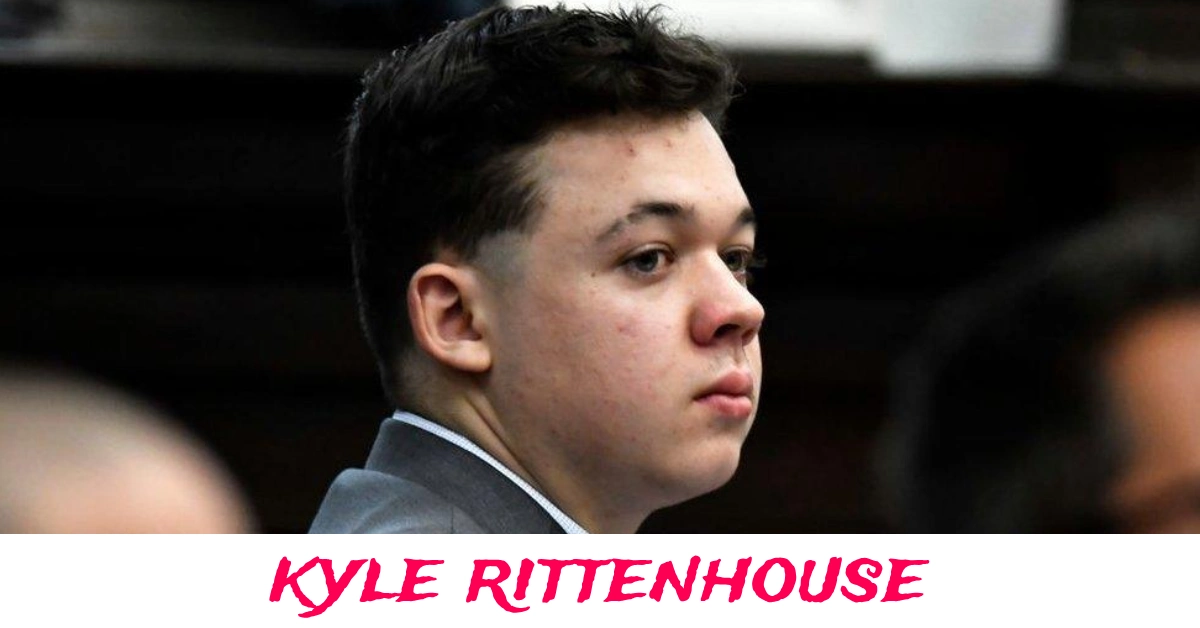
Kyle Rittenhouse was acquitted of all charges in November 2021 after fatally shooting two people during unrest in Kenosha, Wisconsin. The 18-year-old pleaded self-defense at trial in a case that divided the nation over gun rights and vigilantism.
Who Is Kyle Rittenhouse?
Kyle Rittenhouse became a nationally recognized figure following events that occurred during civil unrest in Kenosha, Wisconsin, on August 25, 2020. At the time of the incident, Rittenhouse was 17 years old and traveled to Kenosha during protests that followed the police shooting of Jacob Blake.
Rittenhouse shot three men during the unrest: Joseph Rosenbaum and Anthony Huber, who died from their injuries, and Gaige Grosskreutz, who survived. The incident occurred during widespread demonstrations and civil unrest that had been ongoing in the city.
The case attracted significant national attention and became a flashpoint for debates surrounding self-defense laws, gun rights, protest violence, and vigilantism. Rittenhouse’s actions and subsequent trial divided public opinion across political lines.
The Kenosha Unrest and August 25, 2020 Incident
The shooting occurred during the second night of protests in Kenosha following the police shooting of Jacob Blake, a Black man who was shot seven times by police officers. The incident sparked demonstrations against police brutality and racial injustice.
On the night of August 25, 2020, Rittenhouse arrived in Kenosha carrying an AR-15-style rifle. According to trial testimony, he stated his intention was to protect property and provide medical aid during the unrest. The teenager had traveled from his home in nearby Antioch, Illinois.
During the evening, multiple confrontations occurred between protesters and armed individuals who claimed to be protecting local businesses. The fatal shootings happened during these confrontations, with each incident being recorded on video by multiple witnesses and participants.
The sequence of events began when Rittenhouse encountered Joseph Rosenbaum, leading to the first shooting. Subsequently, as Rittenhouse attempted to leave the area, he was pursued by several individuals, including Anthony Huber and Gaige Grosskreutz, resulting in additional shots being fired.
The Criminal Trial and Legal Proceedings
Rittenhouse was charged by Kenosha County prosecutors with multiple criminal counts, including homicide, and pleaded self-defense at trial. The trial began in November 2021 and attracted widespread media coverage and public attention.
Charges and Defense Strategy
The prosecution argued that Rittenhouse acted recklessly and was the initial aggressor in the confrontations. They contended that his presence with a firearm during the unrest created the dangerous situation that led to the shootings.
Rittenhouse’s defense team argued that he acted in self-defense, claiming that he reasonably believed he was in imminent danger of death or great bodily harm during each shooting. They presented evidence and testimony suggesting that Rittenhouse was being chased and attacked when he fired his weapon.
Key Trial Moments
The trial featured dramatic testimony, including Rittenhouse taking the stand in his own defense. Video evidence played a crucial role, with multiple angles of the shootings being analyzed frame by frame during proceedings.
During the trial, the judge dismissed a charge of curfew violation against Rittenhouse, citing a lack of evidence, and the charge of unlawful possession of a firearm was also dismissed based on the defense argument regarding Wisconsin law restrictions.
The Verdict and Its Impact
On November 19, 2021, Kyle Rittenhouse was acquitted of all charges by a jury. The verdict was announced after the jury deliberated for several days following weeks of testimony and evidence presentation.
The acquittal generated intense reactions across the political spectrum. Supporters viewed the verdict as a vindication of self-defense rights, while critics argued it set a dangerous precedent for vigilante justice. The case became symbolic of broader debates about gun rights, protest violence, and racial justice in America.
Legal experts noted that Wisconsin’s self-defense laws were central to the jury’s decision. The prosecution faced the challenge of proving beyond a reasonable doubt that Rittenhouse did not reasonably believe he was in imminent danger when he fired his weapon.
Life After the Trial
Following his acquittal, Rittenhouse became a prominent figure in certain political circles. He made speaking appearances at various events, including those sponsored by Turning Point USA, speaking to audiences at universities and political gatherings.
However, by 2025, Rittenhouse had stepped back from public life, deleting his social media accounts and leaving his job at a gun shop. This withdrawal from the public eye marked a significant change from his previous media presence and speaking engagements.
The transition away from public attention reflects the ongoing challenges faced by individuals involved in high-profile legal cases, regardless of their outcome. Reports suggest that despite initial fundraising success, Rittenhouse’s current net worth is estimated at approximately $50,000.
Ongoing Civil Litigation
While the criminal case concluded with Rittenhouse’s acquittal, civil lawsuits remained pending as of 2023. Civil cases operate under different legal standards than criminal proceedings, requiring a preponderance of evidence rather than proof beyond a reasonable doubt.
These civil cases could potentially result in monetary damages even though Rittenhouse was found not guilty in criminal court. The outcomes of any civil litigation would be determined by different juries applying different legal standards to the same underlying events.
The Broader Legal and Social Context
The Rittenhouse case occurred during a period of heightened tensions surrounding police violence, racial justice protests, and Second Amendment rights. The incident and trial became intertwined with these broader national conversations.
Legal scholars have analyzed the case within the context of self-defense laws, particularly Wisconsin’s statutes regarding the use of deadly force. The case has been studied for its implications regarding armed civilians during civil unrest and the legal boundaries of self-defense claims.
The geographic and demographic factors of the case—a young white man shooting individuals during racial justice protests—added additional layers of complexity to public perceptions and reactions. These elements contributed to the case becoming a lightning rod for political debate.
Media Coverage and Public Perception
The Rittenhouse case received extensive media coverage throughout the legal proceedings and beyond. Different news outlets and commentators often presented contrasting narratives about the events and their significance.
Social media played a significant role in shaping public opinion about the case. Videos of the shootings circulated widely online, often accompanied by commentary that reflected existing political viewpoints. This digital discourse influenced how many Americans understood and interpreted the events.
The case illustrated challenges in contemporary media coverage of complex legal and social issues, particularly those intersecting with political debates about gun rights, law enforcement, and racial justice.
FAQs
What charges was Kyle Rittenhouse facing?
Rittenhouse faced multiple charges including first-degree intentional homicide, first-degree reckless homicide, attempted first-degree intentional homicide, and two counts of first-degree recklessly endangering safety. He was acquitted of all charges.
Why was Rittenhouse in Kenosha that night?
According to trial testimony, Rittenhouse stated he went to Kenosha to protect property and provide medical aid during the unrest following the Jacob Blake shooting. He was carrying an AR-15-style rifle.
What was the basis for his self-defense claim?
Rittenhouse’s defense argued he reasonably believed he was in imminent danger of death or great bodily harm during each shooting incident, making his use of deadly force legally justified under Wisconsin law.
Are there still legal cases pending?
While the criminal case ended with acquittal, civil lawsuits were still pending as of 2023. Civil cases use different legal standards and could potentially result in monetary damages.
What happened to the three men who were shot?
Joseph Rosenbaum and Anthony Huber died from their injuries. Gaige Grosskreutz survived and testified during the trial about his injuries and the events of that night.
What is Rittenhouse doing now?
As of 2025, Rittenhouse has largely withdrawn from public life, deleting his social media accounts and stepping away from speaking engagements and media appearances.
Legal Precedent and Implications
The Rittenhouse verdict has been analyzed by legal experts for its potential implications regarding self-defense law, particularly in situations involving civil unrest. The case highlighted the complexity of applying self-defense statutes to chaotic situations with multiple participants.
Wisconsin’s self-defense laws allow individuals to use deadly force if they reasonably believe it’s necessary to prevent imminent death or great bodily harm. The jury’s decision to acquit suggests they found Rittenhouse’s belief was reasonable under the circumstances presented at trial.
Legal scholars continue to debate whether the case sets meaningful precedent or simply represents the application of existing law to a unique set of circumstances. The verdict’s impact on future cases involving similar situations remains a subject of ongoing analysis.
Community Impact in Kenosha
The Kenosha community continues to heal from the turmoil surrounding the events of 2020. The shootings and subsequent trial had lasting effects on the city and its residents, regardless of the legal outcome.
Local businesses, community organizations, and residents have worked toward rebuilding and reconciliation in the years following the unrest. The case serves as a reminder of the complex challenges communities face when dealing with civil unrest and its aftermath.
The broader conversations about police reform, community safety, and protest rights continue to evolve in Kenosha and similar communities across the nation. These ongoing discussions reflect the lasting impact of the events beyond the specific legal proceedings.
Conclusion
The Kyle Rittenhouse case represents one of the most significant and controversial legal proceedings of recent years. From the initial shootings during Kenosha civil unrest to the acquittal and its aftermath, the case has influenced national conversations about self-defense, gun rights, and protest violence.
While the criminal trial concluded with Rittenhouse’s acquittal, the broader questions raised by the case continue to resonate in American legal and political discourse. The incident serves as a case study in the intersection of individual rights, community safety, and social justice during times of civil unrest.
Understanding the facts of the case, the legal proceedings, and their outcomes provides insight into how the American justice system handles complex situations involving self-defense claims during chaotic circumstances. The case’s legacy will likely continue to influence legal analysis and public policy discussions for years to come.