


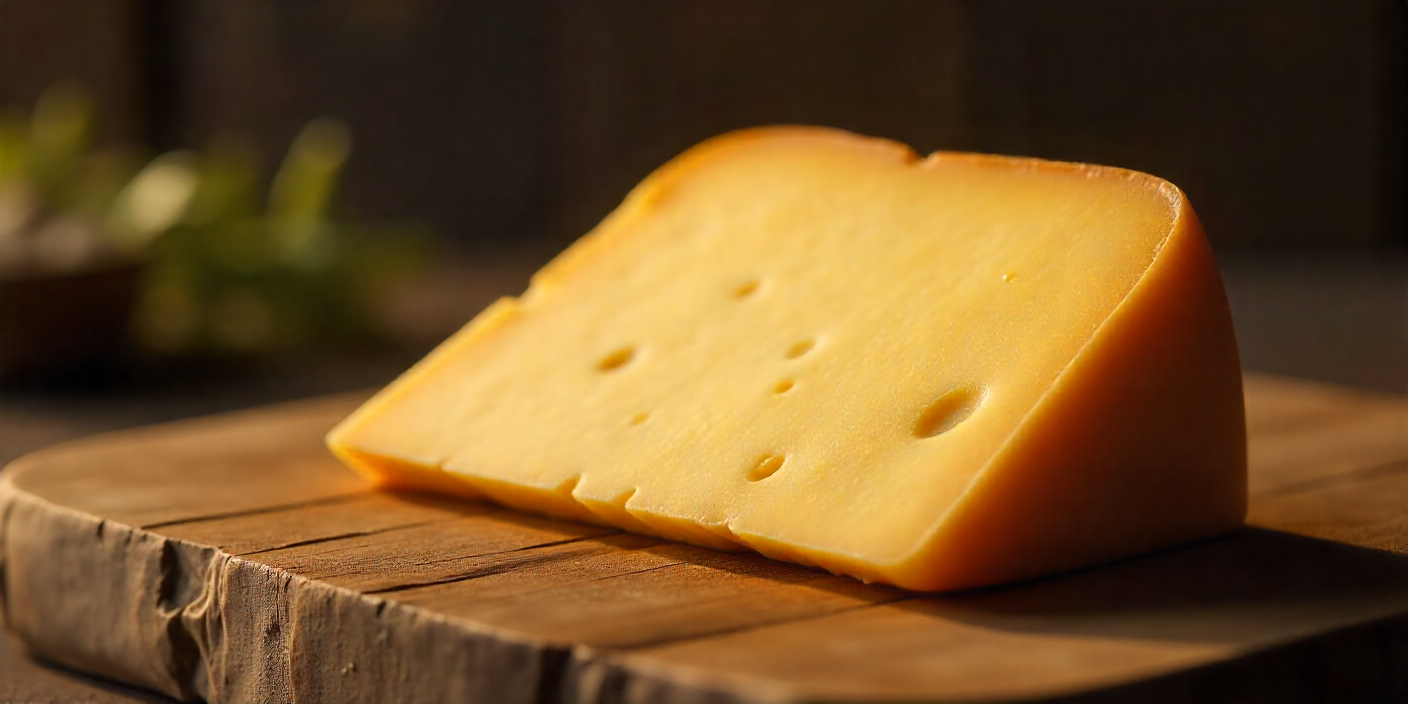
Grouse cheese is a semi-hard, raw milk cheese traditionally made in Highland regions, named for the grouse-inhabited terrain where its defining pastures lie. This artisan delicacy captures the essence of rugged moorlands through wild ingredients like heather, juniper, and traditional smoking methods.
Imagine biting into cheese that tastes like the Scottish Highlands themselves—earthy, wild, and infused with the essence of heather-covered moors. This isn’t fantasy; it’s grouse cheese, one of the most sought-after artisan delicacies in the gourmet world. Far from your typical cheese counter offering, this Highland treasure represents centuries of tradition, meticulous craftsmanship, and the unique terroir of some of Europe’s most pristine landscapes.
What Makes Grouse Cheese So Extraordinary
Grouse cheese embodies artisanal craft and terroir, featuring a complex flavor symphony of rich, creamy milk layered with whispers of woodsmoke, floral heather, piney juniper, deep earthiness of mushrooms, and sweet-tart bursts of wild berries. Unlike mass-produced varieties, each wheel tells a unique story of its specific landscape, season, and the cheesemaker’s skill in balancing wild ingredients.
The name “grouse cheese” doesn’t indicate any avian ingredients. Instead, it derives from the grouse-inhabited moorlands where the milk-producing animals graze. These Highland territories, characterized by rocky outcrops, heather fields, and unpredictable weather patterns, create milk with distinctive mineral profiles and complex flavors that form the foundation of this exceptional cheese.
The Terroir Advantage
The concept of terroir—how environment influences flavor—reaches its pinnacle in grouse cheese production. Highland cattle and sheep graze on diverse vegetation including wild grasses, heather, thyme, and moss, creating milk with unparalleled complexity. This natural diet imparts subtle floral and herbal notes that distinguish grouse cheese from lowland varieties.
Traditional Production Methods That Define Authenticity
Grouse cheese production follows ancient methods passed down through generations, utilizing raw milk from animals grazing on Highland moors. The process begins with milk collected during optimal seasons when vegetation is at its most nutritious, typically late spring through early autumn.
The Foraging Element
Master cheesemakers incorporate wild botanicals that grouse naturally consume in their habitat. These may include:
- Heather tips: Adding floral complexity and subtle honey notes
- Juniper berries: Contributing piney, gin-like aromatics
- Bog myrtle: Imparting earthy, medicinal undertones
- Wild mushrooms: Enhancing umami depth and forest floor characteristics
- Blaeberries (wild bilberries): Providing tart-sweet balance
Traditional Smoking Techniques
Traditional smoking over woods found in grouse habitats, like birch or pine, imparts deep, smoky, earthy notes reminiscent of the bird’s environment. This process requires expertise to balance smoke intensity without overwhelming the cheese’s delicate terroir-driven flavors.
Flavor Profile: A Journey Through Highland Landscapes
Grouse cheese offers an evolving tasting experience that mirrors walking through Scottish moors. Initial notes often present creamy richness from high-quality Highland milk, followed by layers of complexity:
Opening Notes: Clean, mineral-forward milk flavors with subtle sweetness Mid-Palate: Herbal complexity from wild botanicals, often featuring heather’s floral character Finish: Smoky undertones from traditional wood-smoking, with lingering earthiness
The texture varies by producer and aging period, ranging from semi-soft with slight moisture to firm and crumbly after extended maturation. Younger versions maintain creaminess, while aged varieties develop crystalline textures and concentrated flavors.
Where to Source Authentic Grouse Cheese
High-end farmers’ markets sometimes feature artisan producers selling directly, especially in regions near grouse habitats. Specialty cheese shops with strong selections of British, Scandinavian, or artisanal cheeses offer the best chances for finding authentic varieties.
Specialty Retailers
Your best success comes from establishing relationships with knowledgeable cheesemongers who understand artisan varieties. Many specialty shops can special-order grouse cheese if not regularly stocked. Ask specifically about:
- Highland-produced varieties from Scottish creameries
- Scandinavian equivalents featuring similar terroir elements
- Limited-edition seasonal productions
- Direct-from-producer options
Online Sources
Several reputable online cheese merchants specialize in hard-to-find varieties. Search for terms like “heather cheese,” “wild smoked cheese,” or “foraged botanical cheese” when traditional searches fail. Established platforms focusing on artisan British and Northern European products often carry grouse cheese or similar Highland varieties.
Seasonal Availability
Some cheesemakers align production with grouse hunting seasons or the availability of certain foraged ingredients. Understanding these patterns helps time purchases for optimal freshness and variety selection. Late summer and early autumn typically offer the best selection as new batches complete initial aging.
Serving and Pairing Guide
Proper presentation maximizes grouse cheese’s complex character. Temperature control proves crucial—serve at room temperature after removing from refrigeration 60-90 minutes before consumption. This allows oils to redistribute and aromatics to fully develop.
Complementary Accompaniments
Neutral Bases: Oatcakes, water crackers, or crusty sourdough provide texture without competing flavors
Sweet Contrasts: Heather honey creates perfect harmony, while fig preserves or quince paste offer sophisticated balance
Fresh Elements: Crisp pears or Honeycrisp apples cleanse the palate between tastes
Textural Variety: Toasted walnuts or hazelnuts echo the cheese’s nutty undertones
Beverage Pairings
Whisky: Smoky Islay malts complement traditional wood-smoking flavors Wine: Medium-bodied Pinot Noir or aged Burgundy match earthiness without overwhelming delicate notes Beer: Scottish ales or Belgian dubbels provide malty sweetness that balances herbal complexity Non-alcoholic: Premium apple ciders or elderflower sparkling water cleanse the palate
The Art of Highland Cheesemaking
Understanding grouse cheese requires appreciating the skilled artisans who create it. These producers often work with small herds, carefully managing every aspect from pasture quality to final aging. Many operations remain family-owned, passing techniques through generations while adapting to modern food safety standards.
The production scale remains intentionally limited. Most authentic producers create only hundreds of wheels annually, contributing to scarcity and value. This artisan approach ensures quality control and maintains traditional character that mass production cannot replicate.
Sustainability and Conservation Connections
Grouse cheese production supports Highland ecosystem conservation through several mechanisms. Traditional grazing patterns maintain moorland biodiversity, preventing overgrowth that could threaten native plant communities. Sustainable foraging practices for botanical additions ensure wild populations remain healthy.
Many producers participate in conservation programs, working with environmental organizations to balance commercial needs with habitat protection. This relationship benefits both cheese quality—maintaining traditional terroir—and ecosystem health.
Storage and Aging Considerations
Proper storage preserves grouse cheese’s complex characteristics while allowing continued development. Optimal conditions include consistent temperatures between 50-55°F with moderate humidity around 80%. Home storage in refrigerator cheese compartments or wrapped in breathable cheese paper maintains quality.
Aging potential varies by specific variety and initial processing. Some benefit from extended aging, developing deeper flavors and firmer textures over months or years. Others reach optimal eating condition within weeks of production and should be consumed relatively quickly.
Regional Variations and Related Styles
While Highland Scotland remains the primary source, similar cheeses emerge from comparable terroir regions. Norwegian producers create equivalent styles using birch-smoking techniques and local botanicals. Some North American artisans experiment with native ingredients like wild blueberries or pine tips, creating grouse cheese-inspired varieties.
Each regional interpretation reflects local terroir while maintaining core principles of wild ingredient incorporation and traditional processing methods. These variations expand availability while preserving authentic craftsmanship approaches.
Culinary Applications Beyond the Cheese Board
Grouse cheese’s complexity makes it valuable in sophisticated cooking applications. Its melting properties work well in gratins or fondues, while shaved portions elevate salads or pasta dishes. The smoky character complements game meat preparations, creating harmonious Highland-inspired menus.
Professional chefs incorporate grouse cheese in tasting menus, often pairing with other Scottish ingredients like smoked salmon or venison. Its unique character provides memorable experiences that distinguish restaurants committed to authentic terroir-driven cuisine.
FAQs
What exactly is grouse cheese made from?
Grouse cheese is made from cow’s, goat’s, or sheep’s milk (or blends), but embodies the essence of the grouse moor or forest through foraged additions and traditional smoking techniques.
Why is grouse cheese so expensive?
Limited production, seasonal availability of wild ingredients, traditional aging processes, and artisan craftsmanship contribute to higher costs compared to commercial varieties.
How long does grouse cheese last?
Properly stored grouse cheese maintains quality for several weeks to months, depending on aging and moisture content. Monitor for changes in appearance or aroma.
Can I make grouse cheese at home?
Traditional grouse cheese requires specialized equipment and aging facilities. However, home cheesemakers can create inspired variations using culinary-grade botanicals and cold-smoking techniques.
Is grouse cheese suitable for vegetarians?
This depends on the rennet used. Many artisan producers offer vegetarian versions using plant-based or microbial rennet. Always verify with the producer or retailer.
What’s the difference between grouse cheese and other Highland varieties?
Grouse cheese specifically incorporates wild botanicals from grouse habitats and often features traditional smoking methods, distinguishing it from other Highland cheeses that may focus purely on milk terroir.
Experience the wild essence of Highland Scotland through authentic grouse cheese. This rare artisan delicacy connects you directly to ancient landscapes, traditional craftsmanship, and the passionate producers who preserve these culinary treasures for discerning food lovers worldwide.