


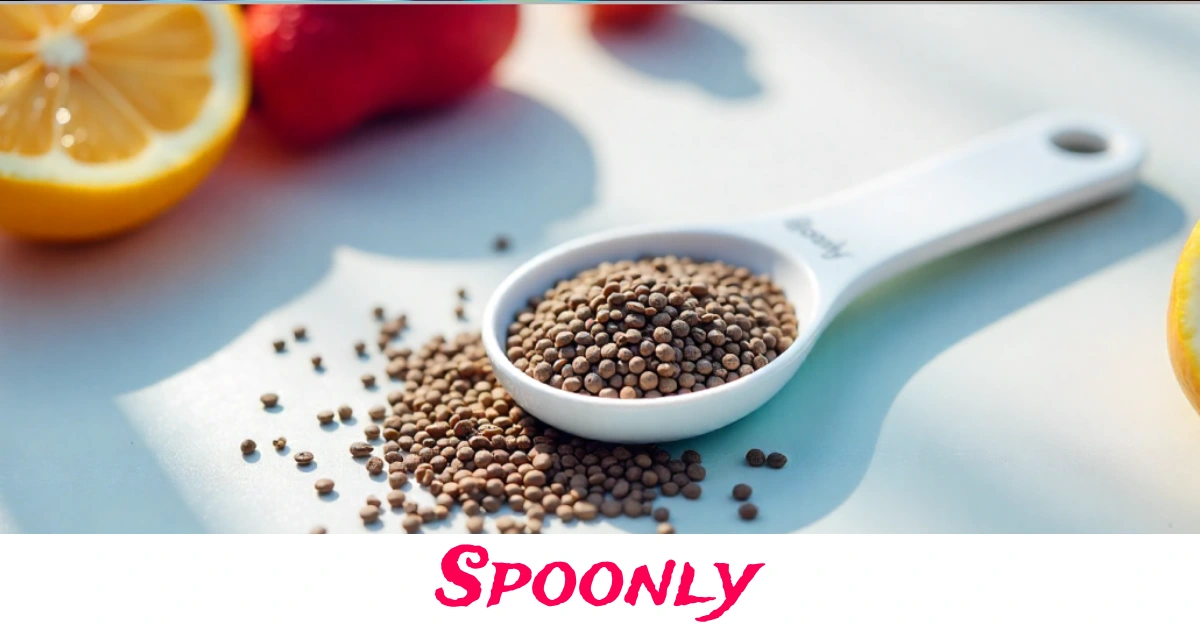
Spoonly is a digital measuring spoon that combines traditional measuring tools with electronic precision. The device weighs both liquid and solid ingredients directly in the spoon, displaying measurements on an LCD screen with 0.1-gram accuracy. You can measure ingredients up to 500 grams and switch between multiple weight units without manual calculations.
How Digital Measuring Spoons Work
Digital measuring spoons contain miniature weight sensors built into the handle or bowl. When you scoop an ingredient, the sensor detects the weight and displays it on the screen. The technology eliminates guesswork and reduces the margin of error that comes with traditional measuring tools.
Most digital spoons measure in grams, ounces, milliliters, and other standard units. You press a button to cycle through different measurement types. The detachable head design allows you to clean the spoon portion separately from the electronic handle.
The device runs on a small button battery—typically a CR2032—that lasts several months with regular use. The LCD screen shows clear readings from various angles, making it easy to see measurements while cooking.
Why Accurate Measurements Matter in Cooking
Recipe success depends on precise ingredient ratios. Too much baking powder creates a bitter taste. Too little flour makes baked goods collapse. Even small deviations affect texture, flavor, and appearance.
Professional bakers measure by weight rather than volume because weight measurements stay consistent. A cup of flour can weigh anywhere from 120 to 150 grams depending on how you scoop it. This 25% difference can ruin a recipe.
Research shows that accurate seasoning improves meal satisfaction and encourages healthier eating patterns. When food tastes better, you’re more likely to cook at home and control your nutrition.
Digital measuring spoons solve the conversion problem. If a recipe calls for 15 grams of butter but you only have tablespoon measurements, the spoon converts instantly. You save time and avoid math errors.
Key Features of Spoonly Digital Measuring Spoons
Precision Weighing Technology
The spoon measures ingredients with 0.1-gram precision across a range of 0.5 to 500 grams. This accuracy level works for both large quantities like flour and tiny amounts like spices or nutritional supplements.
The sensor responds quickly, showing stable readings within 2-3 seconds. You’ll know immediately if you’ve added too much or too little of an ingredient.
Multi-Unit Conversion
Spoonly converts between grams, ounces, milliliters, and other common measurements. Press the unit button to cycle through options until you reach the measurement type your recipe requires.
This feature eliminates the need for conversion charts or calculator apps. International recipes become accessible because you can switch between metric and imperial systems instantly.
Detachable Cleaning Design
The spoon head removes from the electronic handle. You can wash the measuring portion thoroughly without exposing the battery compartment and circuit board to water.
This design prevents cross-contamination between ingredients. Clean the spoon head after measuring raw ingredients before switching to ready-to-eat foods.
Large LCD Display
The screen measures approximately 1.5 inches diagonally with high-contrast numbers. You can read measurements clearly even in dim kitchen lighting or when holding the spoon at an angle.
The display includes a low battery indicator. Replace the battery when the symbol appears to maintain measurement accuracy.
Space-Saving Hanging Design
The handle features a hole for hanging on hooks or pegboards. This storage method keeps the spoon visible and accessible while freeing up drawer space.
Hanging also protects the spoon from getting crushed or damaged by heavier kitchen tools. The spoon stays clean and ready to use.
Food-Safe Materials
Spoonly uses stainless steel for the bowl and food-grade ABS plastic for the handle. Both materials resist staining, odor absorption, and bacterial growth.
Stainless steel withstands acidic ingredients like lemon juice or vinegar without corroding. The material stays smooth and non-reactive through hundreds of uses.
Who Benefits Most from Digital Measuring Spoons
Home Bakers
Baking requires exact measurements because chemical reactions depend on precise ratios. Too much baking soda creates a soapy taste. Incorrect flour amounts change texture from tender to tough.
Digital spoons help you measure small quantities accurately. Add 2.5 grams of instant yeast or 3.2 grams of salt without estimating between measurement marks.
Diet and Nutrition Trackers
People counting calories or following specific macros need accurate portion measurements. Protein powder, nut butter, and cooking oils contain concentrated calories that add up quickly.
A digital spoon lets you log exact amounts. Instead of guessing that you used “about a tablespoon” of olive oil, you’ll know you consumed precisely 14 grams.
Coffee and Tea Enthusiasts
Coffee brewing ratios affect strength and flavor. The standard ratio uses 15-17 grams of water per gram of coffee. Measuring beans by weight rather than volume produces consistent results.
Tea also benefits from precise measurements. Green tea requires less leaf per cup than black tea. Measuring by weight helps you dial in the perfect strength.
Supplement Users
Powdered supplements like creatine, pre-workout mixes, or protein require specific serving sizes. Scoop sizes vary between brands, and “heaping” versus “level” scoops create inconsistency.
A digital spoon ensures you take the recommended dose every time. This matters for supplements where too much causes side effects or too little provides no benefit.
Recipe Developers
Creating new recipes requires testing precise ingredient amounts. When you develop a sauce or dressing, recording exact measurements lets you recreate the recipe later.
Digital spoons capture those details. Your notes can specify “7.3 grams of garlic powder” rather than “about 2 teaspoons,” making recipes easier to replicate.
How to Use Spoonly Effectively
Getting Started
Install the CR2032 button battery in the handle compartment. Attach the spoon head by aligning the connection points and pressing firmly until you hear a click.
Place the spoon on a flat surface and press the power button. The display should show “0” with the default unit (usually grams). If it shows a different number, press the tare button to reset to zero.
Measuring Ingredients
Hold the spoon level while scooping. Tipping the spoon affects the weight reading because the sensor detects gravity’s pull on the ingredients.
Add ingredients gradually when measuring small amounts. It’s easier to add more than to remove excess. For sticky ingredients like honey or peanut butter, lightly coat the spoon with cooking spray first.
Press the tare button after measuring each ingredient if you’re adding multiple items to the same bowl. This resets the display to zero without removing what you’ve already added.
Converting Units
Press the unit button to cycle through available measurements. Most digital spoons offer grams (g), ounces (oz), milliliters (ml), and sometimes grains (gn) or pennyweights (dwt).
Wait for the display to stabilize after switching units. The sensor recalculates based on the ingredient’s weight, which may take 1-2 seconds.
Remember that milliliter conversions assume water density. Other liquids like oil or milk have slightly different densities, so milliliter readings work as approximations.
Cleaning and Maintenance
Remove the spoon head before cleaning. Wash it with warm soapy water or place it in the dishwasher if the manufacturer allows.
Wipe the electronic handle with a damp cloth. Never submerge the handle in water or spray it directly with liquids. Dry both parts completely before reassembling.
Store the spoon in a dry location. Humidity can damage electronic components over time. If you notice condensation inside the display, remove the battery and let the unit air dry for 24 hours.
Troubleshooting Common Issues
If the display shows inconsistent readings, check that the battery has sufficient charge. Low power affects sensor accuracy before the low battery indicator appears.
Calibrate the spoon if measurements seem off. Place a known weight on the spoon (like a 100-gram calibration weight) and compare the reading. Some models include calibration functions in the manual.
Clean sensor contacts if the spoon head connects loosely. Residue buildup prevents proper electrical connection between the head and handle.
Comparing Digital Spoons to Traditional Measuring Tools
Accuracy Differences
Standard measuring spoons have tolerance ranges of plus or minus 10-15%. A “tablespoon” might hold anywhere from 13 to 17 milliliters depending on the manufacturer.
Digital spoons maintain 1-2% accuracy when properly calibrated. This precision matters most in baking, where small variations compound across multiple ingredients.
Volume measurements also depend on ingredient density and settling. A tablespoon of flour weighed immediately after sifting contains less than a tablespoon of flour that’s been sitting and compacting.
Speed and Convenience
Traditional measuring requires switching between different spoon sizes. You might use a tablespoon, then a teaspoon, then a half-teaspoon for a single recipe.
Digital spoons handle all measurements with one tool. You measure, add to your recipe, wipe the spoon, and measure the next ingredient.
Conversion speed favors digital tools. Finding that 50 grams equals 3.5 tablespoons requires consulting a chart. The digital spoon shows both measurements simultaneously.
Cost Considerations
Basic measuring spoon sets cost $5-15. Digital measuring spoons range from $15-40 depending on features and build quality.
The initial investment pays off if you cook or bake frequently. You’ll save time on conversions and avoid wasting ingredients on failed recipes.
Battery replacement adds minimal ongoing cost. CR2032 batteries cost less than $2 and last 6-12 months with regular use.
Durability and Longevity
Metal measuring spoons last decades with minimal care. Digital spoons have electronic components that eventually fail, typically after 3-5 years of regular use.
Water damage causes most digital spoon failures. Users accidentally submerge the handle or don’t dry the connection points properly.
Traditional spoons require no maintenance beyond washing. Digital spoons need battery changes and careful cleaning to protect electronics.
Tips for Choosing the Right Digital Measuring Spoon
Weight Capacity
Check the maximum weight capacity. Most digital spoons measure up to 300-500 grams. This covers most cooking needs, but you might want higher capacity for measuring flour or sugar in larger quantities.
Minimum weight also matters. If you frequently measure spices or supplements, look for spoons that accurately weigh amounts under 1 gram.
Precision Level
Basic models measure to 1-gram increments. Better models offer 0.1-gram precision. The extra decimal place matters for high-value ingredients like saffron or medication.
Professional-grade models measure to 0.01 grams. Unless you’re compounding chemicals or measuring precious metals, this precision exceeds cooking requirements.
Unit Options
Standard units include grams, ounces, and milliliters. Some spoons add grains, carats, or other specialized units you probably won’t use for cooking.
Focus on models that clearly label units on the display. Cycling through cryptic abbreviations wastes time.
Build Quality
Stainless steel spoons resist corrosion better than plastic. The material also feels more substantial and less likely to warp.
Check connection durability between the spoon head and handle. Weak connection points fail after repeated removal and reattachment.
Read reviews about battery compartment design. Difficult battery access frustrates users when it’s time to replace the power source.
Display Features
Backlit displays help when cooking in low light. Auto-shutoff saves battery life by turning off the spoon after 60-90 seconds of inactivity.
Large numbers and high contrast make readings easier to see at a glance. You shouldn’t need to squint or find your glasses to read measurements.
Brand Reputation
Established kitchen tool brands offer better customer support and warranty coverage. Unknown brands may disappear, leaving you without help if the product fails.
Check warranty length. Reputable manufacturers typically offer 1-2 year warranties covering defects and functionality issues.
Common Mistakes to Avoid
Measuring While Moving
Taking readings while stirring or walking around your kitchen produces inaccurate measurements. The sensor needs stability to calculate weight correctly.
Set the spoon on a flat surface or hold it completely still until the display stabilizes. Most spoons show a stability indicator when the reading is final.
Ignoring Tare Function
Adding multiple ingredients without resetting to zero creates cumulative errors. The spoon shows the total weight of everything you’ve added, not just the current ingredient.
Press tare after noting each measurement. This gives you the weight of each individual ingredient rather than a running total.
Submerging Electronics
Water destroys digital spoons faster than any other factor. Even “waterproof” models have limits to how much moisture they can handle.
Never place the handle under running water. Don’t soak the entire spoon in the sink. Clean the detachable head separately and wipe the handle with a barely damp cloth.
Using Wrong Units
Confusing grams with milliliters leads to significant measurement errors. While 100 grams of water equals roughly 100 milliliters, the same doesn’t hold for other ingredients.
100 grams of flour equals about 200 milliliters. 100 grams of honey equals about 70 milliliters. Always measure dry ingredients by weight (grams/ounces) and liquids by volume (milliliters) for best results.
Neglecting Calibration
Digital scales drift slightly over time. Temperature changes, battery levels, and sensor aging affect accuracy.
Test your spoon every few months with a known weight. Coins work in a pinch—a US nickel weighs 5 grams, a penny weighs 2.5 grams. If readings seem off by more than 5%, consider replacing the battery or recalibrating.
Caring for Your Digital Measuring Spoon
Daily Maintenance
Wipe the spoon head after each use, even if you’re not fully washing it. Dried-on food becomes harder to remove and can affect weight readings.
Remove the battery if you won’t use the spoon for several weeks. This prevents battery leakage that can corrode internal components.
Deep Cleaning
Disassemble the spoon completely for thorough cleaning. Remove the spoon head and take out the battery.
Wash the spoon head with warm soapy water. Use a soft brush to remove residue from crevices. Rinse thoroughly and dry completely.
Clean the handle’s exterior with a damp microfiber cloth. Cotton swabs help reach around buttons and display edges. Never use abrasive cleaners that might scratch the display or damage button labels.
Dry all parts for at least 30 minutes before reassembly. Place them on a towel in a warm, dry location with good airflow.
Storage Best Practices
Store the spoon in a dry drawer or hang it in a low-humidity area. Avoid storage near the stove, dishwasher, or sink where steam accumulates.
Keep the spoon separate from sharp utensils that could scratch the display or damage the spoon bowl.
If storing for extended periods, remove the battery and keep the spoon in its original packaging or a protective case.
FAQs
Can digital measuring spoons measure liquids accurately?
Yes, digital spoons measure liquids effectively. The weight sensor doesn’t distinguish between liquid and solid ingredients. Pour the liquid into the spoon bowl and wait for the display to stabilize. Remember that milliliter readings assume water density, so use gram or ounce measurements for accuracy with oils, syrups, or other liquids that have different densities.
How often should I replace the battery?
Battery life depends on usage frequency. Most users replace the battery every 6-12 months. Heavy daily use might require replacement every 3-4 months. Replace the battery when you notice the low battery indicator or when the display becomes dim. Keep a spare CR2032 battery in your kitchen for quick replacement.
Are digital measuring spoons dishwasher safe?
The detachable spoon head is typically dishwasher safe, but check your specific model’s instructions. The electronic handle should never go in the dishwasher. Water exposure damages the circuit board and battery compartment. Hand wash the handle by wiping it with a damp cloth only.
What’s the difference between Spoonly and other digital measuring spoons?
Spoonly emphasizes precision measurement with 0.1-gram accuracy and a 500-gram capacity. The large LCD display and detachable design for easy cleaning are standard features. Most digital measuring spoons share similar specifications, so differences come down to build quality, warranty coverage, and customer support rather than fundamental functionality.
Can I use a digital spoon for portioning pet food or medication?
Digital spoons work well for pet food portioning when you need consistent serving sizes. For medication, consult your veterinarian or pharmacist first. Pharmaceutical-grade scales offer higher precision and certification that kitchen tools lack. Never use kitchen tools for measuring medication without professional guidance.
Making the Most of Your Digital Measuring Spoon
Digital measuring spoons bring laboratory precision to home cooking. You’ll notice the difference in baking consistency, nutrition tracking accuracy, and recipe development reliability.
Start using your Spoonly for recipes where precision matters most—baking, sauce making, and seasoning blends. As you become comfortable with the tool, you’ll find more applications.
The investment in a quality digital measuring spoon pays dividends through improved cooking results and reduced ingredient waste. Your recipes will turn out right the first time, saving you money and frustration.
Remember that tools only help if you use them correctly. Take time to understand your digital spoon’s features, maintain it properly, and calibrate it regularly. These simple practices ensure years of accurate measurements and cooking success.