

Fenugreek has been used as a medicinal plant for about 6,000 years, making it one of the oldest healing herbs known to humanity. This small seed with a distinctive maple-like aroma has captured attention across continents for its remarkable health properties and culinary versatility.
You’re about to discover everything you need to know about foenegriek—from its proven health benefits to practical usage tips that can transform your wellness routine.
What Is Foenegriek
Foenegriek is the Dutch word for fenugreek (Trigonella foenum-graecum), a plant native to the Mediterranean, Europe, and western Asia. The name literally translates to “Greek hay,” reflecting its historical use as animal fodder in ancient Greece.
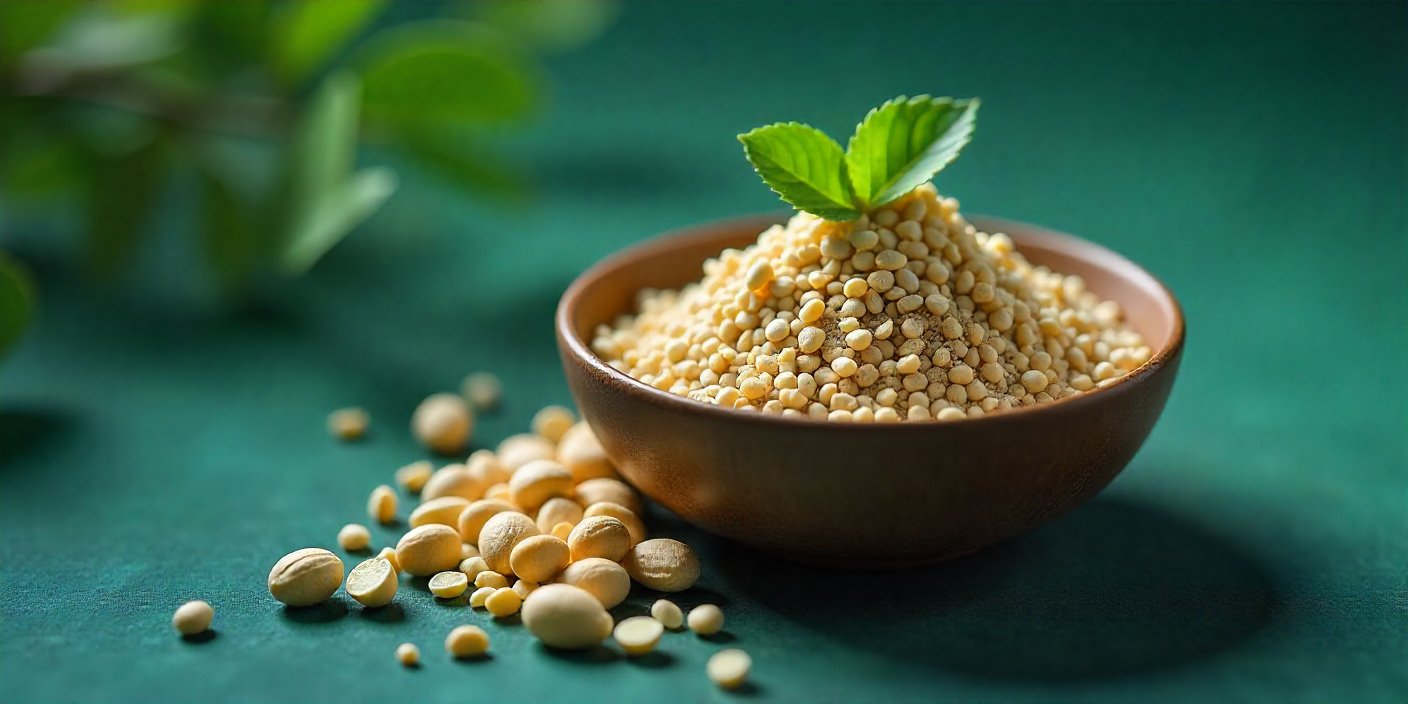
This annual herb belongs to the legume family and produces small, hard, golden-brown seeds that pack an impressive nutritional punch. The seeds taste similar to maple syrup and are used in foods and medicine, making them valuable for both culinary and therapeutic applications.
Quick Answer Box: Foenegriek (fenugreek) is an ancient medicinal herb whose seeds provide multiple health benefits including blood sugar control, enhanced milk production in nursing mothers, and improved testosterone levels. Both seeds and leaves are used in cooking and traditional medicine worldwide.
Fresh foenegriek leaves, known as methi in Indian cuisine, offer a different flavor profile with their slightly bitter, herbaceous taste. The plant typically grows to about two feet tall and produces distinctive three-leaf clusters.
Health Benefits of Foenegriek
Blood Sugar Management
Fenugreek seems to slow sugar absorption in the stomach and stimulate insulin. Both of these effects lower blood sugar in people with diabetes. Multiple studies show that consuming 5-10 grams of foenegriek seeds daily can significantly improve glucose tolerance and reduce blood sugar spikes after meals.
The soluble fiber in foenegriek seeds forms a gel-like substance in your digestive tract. This helps slow down carbohydrate absorption and prevents dramatic blood sugar fluctuations.
For people with type 2 diabetes, incorporating foenegriek into your daily routine may reduce the need for medication over time. However, always consult your healthcare provider before making changes to your diabetes management plan.
Testosterone and Male Health
Research indicates that foenegriek may naturally boost testosterone levels in men. A 2011 study found that men taking 500mg of foenegriek extract daily experienced significant increases in free testosterone levels within six weeks.
The seeds contain compounds called furostanolic saponins, which appear to block enzymes that convert testosterone into other hormones. This helps maintain higher levels of active testosterone in your system.
Men using foenegriek supplements often report improved libido, better workout recovery, and increased muscle strength. These effects typically become noticeable after 4-8 weeks of consistent use.
Lactation Support
People who are breastfeeding sometimes use fenugreek seeds to increase milk supply. This traditional use has solid scientific backing, with studies showing 25-30% increases in milk production within 1-2 weeks of starting foenegriek supplementation.
The recommended dosage for nursing mothers is typically 3-4 grams of foenegriek seeds daily, either as tea or in capsule form. Most women notice increased milk production within 24-72 hours of starting treatment.
Safety note: Pregnant women should avoid foenegriek as it may stimulate uterine contractions. Always consult your healthcare provider before using any herbal supplements during breastfeeding.
Cholesterol and Heart Health
Foenegriek contains soluble fiber and plant compounds that help lower cholesterol levels naturally. Studies show that consuming foenegriek regularly can reduce total cholesterol by 15-20% and lower harmful LDL cholesterol by up to 25%.
The seeds also contain potassium, which supports healthy blood pressure levels. Regular consumption may help reduce your risk of cardiovascular disease when combined with a healthy diet and exercise routine.
Culinary Uses and Preparation
Traditional Cooking Applications
In Indian cuisine, foenegriek seeds are often dry-roasted to develop their sweet, nutty flavor before grinding into curry powders. Fenegriek heeft een heerlijk kruidige, warme, curry geur, making it essential for authentic curry dishes.
The whole seeds work beautifully in pickles, chutneys, and spice blends. Soak them overnight to soften their texture for easier digestion and reduced bitterness.
Fresh foenegriek leaves (methi) are popular in Pakistani and Indian cooking. They add a distinctive bitter-sweet flavor to flatbreads, curries, and vegetable dishes.
Modern Culinary Innovation
Creative cooks use foenegriek to create maple syrup alternatives by steeping the seeds in hot water and adding natural sweeteners. The seeds’ natural maple-like compounds make this substitution surprisingly effective.
Ground foenegriek powder enhances bread recipes, adding nutritional value and a unique flavor depth. Start with small amounts—about 1/4 teaspoon per cup of flour—as the flavor intensifies during baking.
Tea preparation is simple: steep one teaspoon of crushed seeds in hot water for 5-10 minutes. Add honey or lemon to taste for a warming, therapeutic beverage.
Dosage and Safety Guidelines
Recommended Dosages
For blood sugar support: 5-10 grams of whole seeds daily, typically split into 2-3 doses before meals.
For lactation support: 3-4 grams daily as tea or capsules, continuing until desired milk supply is achieved.
For testosterone support: 500mg of standardized extract daily, preferably with meals to improve absorption.
Start with smaller amounts and gradually increase to assess your body’s tolerance. Some people experience mild digestive upset when first using foenegriek.
Safety Considerations and Side Effects
Common side effects include digestive discomfort, gas, and diarrhea, especially when starting with higher doses. These effects usually subside within a few days as your system adjusts.
Foenegriek has a distinctive maple syrup odor that may affect body odor and urine smell. This harmless side effect occurs due to the compound sotolon and disappears when you stop taking the herb.
People with peanut or chickpea allergies should use caution, as foenegriek belongs to the same plant family. Allergic reactions are rare but possible.
Important contraindications:
- Avoid during pregnancy (may trigger contractions)
- May interact with diabetes medications
- Can affect blood clotting—stop before surgeries
- May interfere with thyroid hormone absorption
Buying and Storage Tips
Quality Selection
Choose whole foenegriek seeds over pre-ground powder when possible. Whole seeds retain their potency longer and allow you to control freshness by grinding them yourself.
Look for seeds that are uniform in color—golden-brown to amber—without dark spots or excessive debris. Quality seeds should have a strong maple-like aroma when crushed between your fingers.
Organic certification ensures the seeds haven’t been treated with pesticides or chemicals that might affect their therapeutic properties.
Proper Storage Methods
Store whole foenegriek seeds in airtight containers away from light and heat. Properly stored seeds maintain their potency for 2-3 years.
Ground foenegriek powder loses potency more quickly—use within 6-12 months for best results. Refrigeration can extend the shelf life of ground spices.
Keep foenegriek away from strong-smelling spices as it can absorb odors. Glass jars with tight-fitting lids work better than plastic containers for long-term storage.
Scientific Research and Future Potential
Current research explores foenegriek’s potential in cancer prevention, wound healing, and cognitive function. Their optimal consumption may lower triglycerides and cholesterol concentrations in the blood, prevent cancer and control diabetes mellitus.
Studies investigate its anti-inflammatory properties and potential applications in treating metabolic disorders beyond diabetes. The herb’s complex chemical profile continues to reveal new therapeutic possibilities.
Researchers are particularly interested in foenegriek’s effects on hormonal balance in both men and women. Future studies may establish more precise dosing guidelines for specific health conditions.
The growing body of scientific evidence supports many traditional uses while revealing previously unknown benefits. This makes foenegriek an exciting area for ongoing medical research.
FAQs
How quickly does foenegriek work for blood sugar control?
Most people notice blood sugar improvements within 1-2 weeks of consistent use. Maximum benefits typically develop after 4-6 weeks of regular consumption.
Can foenegriek interact with medications?
Yes, foenegriek may enhance the effects of diabetes medications and blood thinners. Always consult your healthcare provider before combining it with prescription drugs.
Is it safe to use foenegriek long-term?
For most healthy adults, long-term use appears safe when following recommended dosages. However, periodic breaks and medical supervision are advisable for extended use.
What’s the difference between foenegriek seeds and leaves?
Seeds contain higher concentrations of therapeutic compounds and store longer. Fresh leaves offer different nutritional benefits and are primarily used in cooking rather than medicine.
How much foenegriek tea should I drink daily?
Start with one cup daily and increase gradually to 2-3 cups if needed. Each cup should contain about 1 teaspoon of seeds steeped for 5-10 minutes.
Foenegriek represents a perfect blend of ancient wisdom and modern science. Whether you’re managing blood sugar, supporting lactation, or simply exploring new culinary horizons, this remarkable herb offers proven benefits with centuries of safe traditional use.
Start with small amounts, listen to your body’s response, and consider consulting a healthcare professional for personalized guidance. Your journey with foenegriek could unlock significant improvements in your health and wellness routine.