


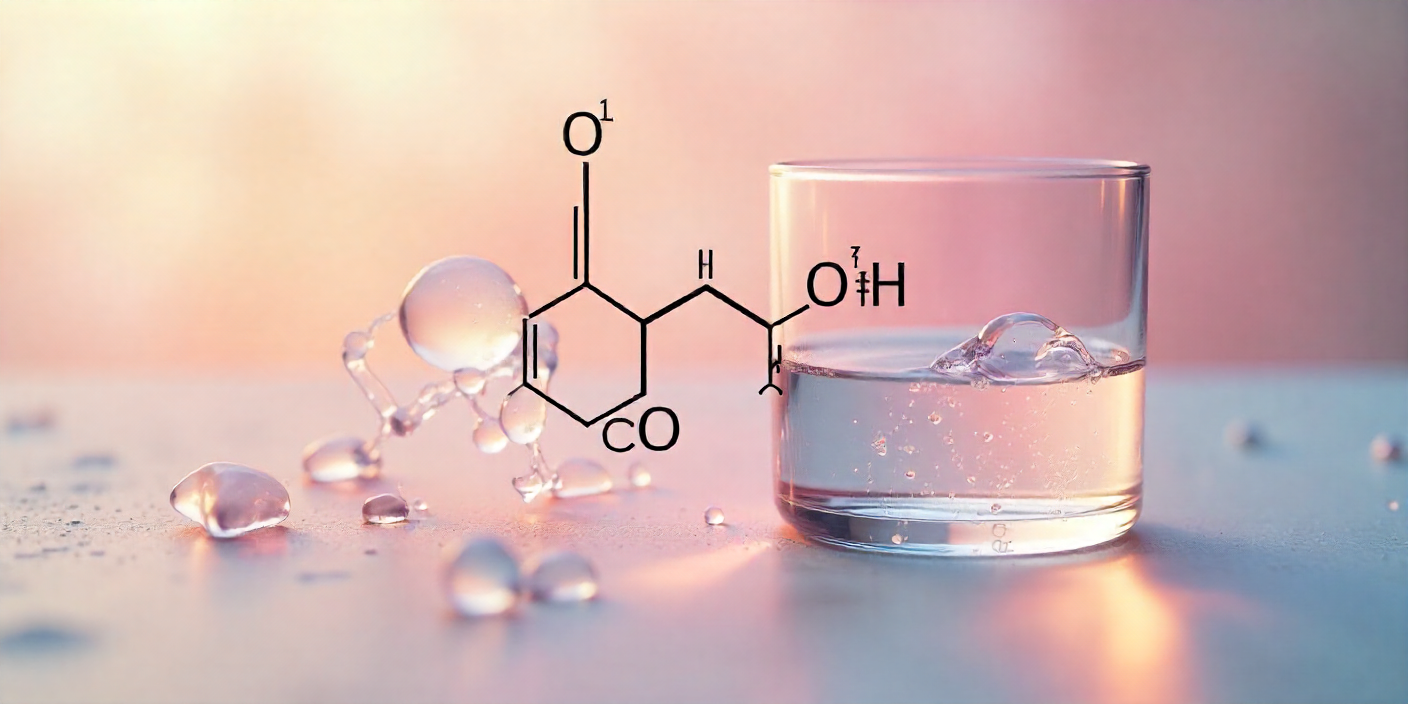
HCOOCH CH2 H2O represents the hydrolysis reaction of methyl formate (HCOOCH₃) with water (H₂O), producing formic acid (HCOOH) and methanol (CH₃OH). This industrial chemistry process is essential for formic acid production and chemical manufacturing.
What is HCOOCH CH2 H2O in Chemistry?
The formula HCOOCH CH2 H2O represents one of the most important hydrolysis reactions in industrial organic chemistry. This notation describes the breakdown of methyl formate (HCOOCH₃) when it reacts with water molecules (H₂O) under specific conditions.
HCOOCH CH2 H2O represents the hydrolysis of methyl formate (HCOOCH₃) with water (H₂O), producing formic acid (HCOOH) and methanol (CH₃OH). This reaction serves as the foundation for large-scale formic acid production worldwide.
The complete chemical equation can be written as: HCOOCH₃ + H₂O → HCOOH + CH₃OH
This process transforms a simple ester into two valuable industrial chemicals through nucleophilic substitution mechanisms. The reaction typically requires elevated temperatures and acidic catalysts to proceed efficiently.
Understanding this chemistry opens doors to numerous industrial applications, from pharmaceutical synthesis to sustainable fuel production. The products formed—formic acid and methanol—each play crucial roles in modern chemical manufacturing.
Chemical Structure and Molecular Composition
The HCOOCH CH2 H2O system involves three distinct molecular components that interact through well-defined chemical pathways.
Methyl Formate (HCOOCH₃) Structure:
- Molecular formula: C₂H₄O₂
- Functional group: Formate ester
- Molecular weight: 60.05 g/mol
- Boiling point: 31.5°C
Water (H₂O) as Nucleophile: Water acts as the attacking nucleophile in this hydrolysis reaction. Its oxygen atom contains lone pairs that can attack the electrophilic carbon in the ester group.
Product Formation: The reaction yields two products with distinct properties:
- Formic acid (HCOOH): The simplest carboxylic acid
- Methanol (CH₃OH): The simplest alcohol
The molecular rearrangement occurs through a tetrahedral intermediate, where water adds across the ester bond. This mechanism explains why the reaction requires specific temperature and pH conditions to proceed at commercially viable rates.
Industrial Applications and Uses
HCOOCH CH2 H2O is a chemical compound consisting of a formate ester, a methylene group, and water. It has diverse applications in pharmaceuticals, industry, and environmental sectors.
Formic Acid Production
The primary industrial application of methyl formate hydrolysis involves large-scale formic acid manufacturing. The industrial processes involved in the production of formic acid were reviewed with emphasis on the hydrolysis of methyl formate.
Key industrial uses include:
Pharmaceutical Manufacturing:
- Intermediate in drug synthesis
- Preservation agent production
- API (Active Pharmaceutical Ingredient) manufacturing
Chemical Processing:
- Leather tanning operations
- Textile dyeing processes
- Rubber production catalysis
Agricultural Applications:
- Livestock feed preservation
- Pesticide formulations
- Soil treatment solutions
Methanol Recovery and Utilization
The methanol produced through this hydrolysis serves multiple industrial purposes:
Fuel Production:
- Biodiesel manufacturing component
- Alternative fuel additive
- Hydrogen carrier applications
Chemical Synthesis:
- Formaldehyde production
- Acetic acid manufacturing
- Solvent applications
Reaction Mechanism and Kinetics
The HCOOCH CH2 H2O hydrolysis follows a well-established mechanism that proceeds through several distinct steps.
Step-by-Step Reaction Mechanism
Step 1: Protonation Under acidic conditions, the carbonyl oxygen of methyl formate becomes protonated, increasing the electrophilicity of the carbon center.
Step 2: Nucleophilic Attack Water molecules attack the electrophilic carbon, forming a tetrahedral intermediate. This step represents the rate-determining step in most conditions.
Step 3: Proton Transfer Internal proton transfers stabilize the intermediate and prepare for the elimination step.
Step 4: Elimination Methanol departs as a leaving group, reforming the carbonyl and generating formic acid.
Kinetic Considerations
Reaction performance using the acidic ion-exchange resin Amberlyst 15 as catalyst was examined at various operating conditions such as space velocity, catalyst particle size, temperature, and initial reactant ratio.
The reaction rate depends on several critical factors:
Temperature Effects:
- Optimal range: 90-140°C
- Higher temperatures increase reaction rates
- Excessive heat can cause side reactions
Catalyst Requirements:
- Acidic catalysts accelerate the process
- Ion-exchange resins provide heterogeneous catalysis
- Homogeneous acids require separation steps
Concentration Dependencies:
- Higher water concentrations drive equilibrium toward products
- Methyl formate excess can improve conversion rates
- Product removal enhances overall yields
Industrial Production Methods
Modern industrial production of formic acid through methyl formate hydrolysis employs sophisticated reactor designs and process optimizations.
Commercial Production Processes
Continuous Flow Systems: In the frame of process development for the generation of chemical energy carriers, we studied the synthesis of methanol and formic acid from methyl formate hydrolysis in a continuous-flow millireactor.
These systems offer several advantages:
- Consistent product quality
- Improved heat management
- Better catalyst utilization
- Reduced waste generation
Batch Processing Methods: Traditional batch reactors remain viable for smaller-scale operations, offering flexibility in production scheduling and product specifications.
Process Optimization Strategies
Catalyst Selection: Modern processes favor heterogeneous catalysts that simplify product separation. Acidic ion-exchange resins provide excellent activity while remaining easily recoverable.
Reaction Conditions:
- Temperature control prevents unwanted side reactions
- Pressure management optimizes conversion rates
- Residence time balances productivity with selectivity
Product Recovery: Efficient separation of formic acid and methanol requires carefully designed distillation sequences that account for their different boiling points and azeotrope formation tendencies.
Environmental Impact and Sustainability
The HCOOCH CH2 H2O hydrolysis process presents both environmental opportunities and challenges that modern industry must address.
Sustainable Aspects
Green Chemistry Principles: However, green chemistry avoids synthesis technologies, which give other products than the desired ones. The methyl formate hydrolysis aligns with green chemistry by producing only desired products without significant waste streams.
Renewable Feedstock Potential:
- Methyl formate can be produced from renewable methanol
- Biomass-derived starting materials reduce carbon footprint
- Circular economy integration possibilities
Energy Considerations: The reaction’s moderate temperature requirements make it compatible with renewable energy sources and waste heat recovery systems.
Environmental Challenges
Waste Management: While the reaction produces minimal waste, proper handling of spent catalysts and process water requires attention.
Energy Intensity: The need for heating and product separation consumes significant energy, making process efficiency crucial for environmental performance.
Hydrogen Energy Applications
Here we propose a previously overlooked, industrially available bulk chemical (methyl formate, MF) as an efficient and practical hydrogen storage material.
Recent research has identified methyl formate as a promising hydrogen carrier, with the hydrolysis reaction playing a key role in hydrogen release mechanisms.
Hydrogen Storage Benefits
High Hydrogen Content: Methyl formate contains significant hydrogen that can be released through controlled hydrolysis and subsequent processing.
Liquid Storage Advantages:
- Room temperature liquid storage
- Existing infrastructure compatibility
- Safe handling characteristics
Release Kinetics: Utilizing appropriate catalysts, hydrogen production from MF is significantly faster than with other established chemical hydrogen carriers, such as formic acid and methanol, under very mild conditions.
Future Energy Applications
The combination of methyl formate hydrolysis with hydrogen production technologies could enable:
- Distributed hydrogen generation
- Renewable energy storage solutions
- Transportation fuel applications
Safety Considerations and Handling
Working with the HCOOCH CH2 H2O system requires understanding the safety profiles of all components involved.
Chemical Safety Profiles
Methyl Formate:
- Highly flammable liquid and vapor
- May cause drowsiness or dizziness
- Requires proper ventilation systems
Formic Acid:
- Corrosive to metals and tissues
- Causes severe skin burns and eye damage
- Requires appropriate personal protective equipment
Methanol:
- Toxic if swallowed, inhaled, or absorbed through skin
- May cause blindness if ingested
- Requires careful handling procedures
Industrial Safety Measures
Engineering Controls:
- Closed-loop processing systems
- Automatic leak detection
- Emergency shutdown procedures
Personal Protection:
- Chemical-resistant gloves and clothing
- Eye protection and face shields
- Respiratory protection when required
Emergency Procedures:
- Spill containment and cleanup protocols
- First aid measures for exposure
- Fire suppression systems appropriate for chemical fires
Analytical Methods and Quality Control
Quality control in HCOOCH CH2 H2O processes requires sophisticated analytical techniques to monitor reaction progress and product purity.
Analytical Techniques
Gas Chromatography (GC):
- Separation and quantification of reactants and products
- Detection of impurities and side products
- Real-time process monitoring capabilities
High-Performance Liquid Chromatography (HPLC):
- Analysis of formic acid concentrations
- Impurity profiling for pharmaceutical applications
- Stability studies of products
Nuclear Magnetic Resonance (NMR):
- Structural confirmation of products
- Reaction mechanism studies
- Purity assessment
Process Control Parameters
Conversion Monitoring: Regular sampling and analysis ensure optimal conversion rates and help identify when catalyst regeneration becomes necessary.
Product Quality Assurance:
- Purity specifications for different applications
- Contamination detection and control
- Batch-to-batch consistency verification
Economic Aspects and Market Considerations
The economics of HCOOCH CH2 H2O processes significantly influence industrial adoption and process design decisions.
Cost Factors
Raw Material Costs:
- Methyl formate pricing and availability
- Water treatment and purification expenses
- Catalyst costs and replacement schedules
Operating Expenses:
- Energy requirements for heating and separation
- Labor costs for process operation
- Maintenance and equipment depreciation
Product Value:
- Formic acid market prices and demand
- Methanol co-product value
- Quality premiums for high-purity products
Market Dynamics
Demand Drivers: Growing applications in leather processing, pharmaceuticals, and green energy storage drive increased demand for formic acid production.
Supply Chain Considerations:
- Raw material availability and logistics
- Product distribution and storage
- Regional market variations
Future Developments and Research Directions
Ongoing research continues to improve the efficiency and applications of HCOOCH CH2 H2O processes.
Catalyst Development
Novel Catalyst Systems:
- Heterogeneous catalysts with improved activity
- Regenerable catalyst technologies
- Environmentally friendly catalyst alternatives
Process Intensification:
- Microreactor technologies
- Continuous processing improvements
- Integration with renewable energy systems
Emerging Applications
Carbon Utilization: Integration of CO₂ capture and utilization with methyl formate production could create more sustainable process routes.
Advanced Materials: New applications in materials science and nanotechnology continue to expand the market for high-purity formic acid.
FAQs
What does HCOOCH CH2 H2O represent in chemistry?
HCOOCH CH2 H2O represents the hydrolysis reaction of methyl formate with water, producing formic acid and methanol through nucleophilic substitution.
What are the main products of HCOOCH CH2 H2O hydrolysis?
The main products are formic acid (HCOOH) and methanol (CH₃OH), both valuable industrial chemicals with numerous applications.
What temperature is required for HCOOCH CH2 H2O reaction?
The reaction typically requires temperatures between 90-140°C for optimal conversion rates in industrial processes.
Is HCOOCH CH2 H2O environmentally friendly?
The process can be environmentally friendly when using renewable feedstocks and proper waste management, producing only desired products without significant waste.
What catalysts work best for HCOOCH CH2 H2O hydrolysis?
Acidic catalysts, particularly ion-exchange resins like Amberlyst 15, provide excellent activity while enabling easy product separation.
How is HCOOCH CH2 H2O used in hydrogen storage?
Methyl formate serves as a hydrogen carrier, with the hydrolysis reaction being part of controlled hydrogen release mechanisms for energy applications.
Conclusion
The HCOOCH CH2 H2O system represents a cornerstone of industrial organic chemistry, enabling the production of essential chemicals through well-understood mechanisms. From large-scale formic acid manufacturing to emerging hydrogen storage applications, this chemistry continues to drive innovation across multiple industries.
Understanding the reaction mechanisms, industrial applications, and safety considerations provides the foundation for optimizing these processes and developing new applications. As sustainability becomes increasingly important, the ability to integrate renewable feedstocks and improve process efficiency makes methyl formate hydrolysis an attractive technology for future chemical manufacturing.
The continued research into catalyst development, process intensification, and novel applications ensures that HCOOCH CH2 H2O chemistry will remain relevant and valuable for industrial applications. Whether for traditional chemical production or emerging energy storage solutions, this fundamental reaction continues to offer opportunities for technological advancement and economic growth.