


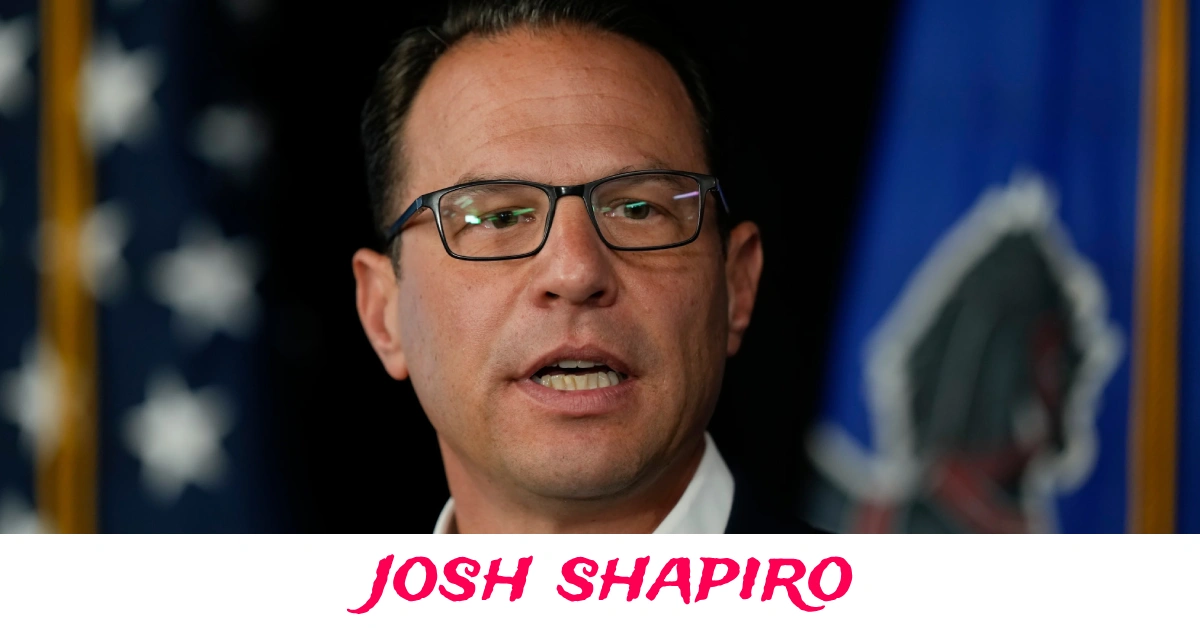
Josh Shapiro is Pennsylvania’s 48th Governor, serving since January 2023. He previously served as Pennsylvania Attorney General from 2017-2023, Montgomery County Commissioner from 2011-2017, and State Representative from 2005-2011. Known for bipartisan leadership and practical governance.
Pennsylvania Governor Josh Shapiro has emerged as one of America’s most effective state leaders, demonstrating how bipartisan cooperation can deliver meaningful results for citizens. Since taking office in January 2023, Shapiro has navigated the nation’s only politically divided state legislature to pass significant legislation on education funding, infrastructure, and economic development.
This comprehensive guide explores Shapiro’s political career, major accomplishments, policy positions, and leadership style that has made him a rising star in American politics.
Early Life and Path to Public Service
Josh Shapiro’s journey to Pennsylvania’s highest office began with a family deeply committed to public service. Growing up in Pennsylvania, he watched his father work as a pediatrician who also served the nation in the Navy, while his mother dedicated her career to education as a teacher. These early influences shaped his understanding of service to community and country.
Shapiro’s educational background laid the foundation for his legal and political career. He earned his undergraduate degree from the University of Rochester before pursuing his law degree at Georgetown University Law Center. During his time in law school, he demonstrated early leadership abilities and developed the analytical skills that would later serve him in navigating complex policy challenges.
His entry into public service was motivated by both family example and personal faith. Shapiro has spoken about how these influences inspired him to pursue a career focused on helping others and strengthening communities across Pennsylvania.
The future governor met his wife Lori during high school, and their enduring partnership has been a constant throughout his political journey. Together, they’ve raised four children while balancing the demands of public service with family life.
Political Career Trajectory: From State House to Governor’s Mansion
State Representative (2005-2011)
Shapiro’s political career began in 2004 when he successfully ran for the Pennsylvania House of Representatives, representing the 153rd District. During his tenure in the state legislature, he established himself as a pragmatic lawmaker willing to work across party lines to address constituent needs.
His legislative priorities during this period focused on education, consumer protection, and government transparency. Shapiro authored several bills that became law, including measures to strengthen consumer protections and improve government accountability. His work in the state house demonstrated his ability to craft legislation that could gain bipartisan support.
The experience in the Pennsylvania House provided Shapiro with invaluable insights into the legislative process and the art of compromise. These skills would prove essential in his later roles as he worked to build coalitions and advance policy initiatives.
Montgomery County Commissioner (2011-2017)
In 2011, Shapiro transitioned from state-level politics to local government, winning election as Chair of the Montgomery County Board of Commissioners. This role allowed him to gain executive experience while remaining close to the communities he served.
As county commissioner, Shapiro focused on modernizing government operations, improving fiscal management, and enhancing public services. He implemented technology upgrades that improved efficiency and transparency, while also working to streamline county operations.
His leadership during this period earned recognition for bringing innovative approaches to local government challenges. Shapiro’s success in Montgomery County, one of Pennsylvania’s most populous counties, demonstrated his ability to manage complex governmental operations and diverse constituencies.
Pennsylvania Attorney General (2017-2023)
Shapiro’s election as Pennsylvania Attorney General in 2016 marked a significant step toward statewide prominence. His tenure as the state’s top law enforcement officer was defined by high-profile investigations, consumer protection initiatives, and defense of voting rights.
The most notable achievement during his time as Attorney General was the groundbreaking investigation into sexual abuse within the Catholic Church in Pennsylvania. The comprehensive report, released in 2018, documented decades of abuse and cover-ups across multiple dioceses. This investigation brought national attention and led to reforms in how such cases are handled.
Shapiro also made defending voting rights a central priority of his office. During the 2020 election cycle, he successfully defended Pennsylvania’s election processes against numerous legal challenges, helping to ensure that all eligible votes were counted and the democratic process was protected.
His consumer protection work included taking on major corporations and securing settlements that returned millions of dollars to Pennsylvania consumers. Shapiro’s office pursued cases against opioid manufacturers, data privacy violators, and companies engaged in fraudulent practices.
Gubernatorial Leadership and Major Accomplishments
Taking Office During Challenging Times
When Josh Shapiro was sworn in as Pennsylvania’s 48th Governor in January 2023, he inherited a state facing significant challenges. Pennsylvania’s legislature was uniquely divided, with Democrats controlling the House and Republicans controlling the Senate—the only such arrangement in the nation at the time.
Despite these political headwinds, Shapiro’s first two years in office have been marked by notable legislative successes and policy initiatives that have garnered bipartisan support. His approach to governance emphasizes practical solutions over partisan politics, a strategy that has yielded tangible results for Pennsylvania residents.
Education Investments and Reforms
One of Governor Shapiro’s most significant achievements has been securing historic investments in Pennsylvania’s public education system. Working with the divided legislature, he successfully advocated for increased education funding that exceeded previous records.
The education initiatives implemented under Shapiro’s leadership include the expansion of free breakfast programs for students across the state. This program ensures that children have access to nutritious meals at the start of each school day, addressing both hunger and educational outcomes.
Additionally, Shapiro has prioritized mental health resources in schools, recognizing the ongoing challenges students face in the post-pandemic era. His administration has invested in hiring more school counselors and expanding mental health support services available to students, teachers, and families.
Infrastructure and Economic Development
Governor Shapiro demonstrated exceptional crisis management skills during the I-95 highway collapse in June 2023. When a section of this critical interstate highway collapsed following a truck fire, experts initially estimated repairs would take several months. However, Shapiro assembled a specialized team that managed to reopen the highway in just 12 days.
This rapid response, which Shapiro termed his “GSD” (Get Stuff Done) approach, showcased his administration’s ability to cut through bureaucratic delays and deliver results when Pennsylvanians needed them most. The success of the I-95 project became a symbol of effective government action and practical problem-solving.
Beyond crisis response, Shapiro has prioritized economic development investments in communities that have historically been overlooked. His administration has directed millions of dollars toward job creation initiatives in rural and post-industrial areas, working to revitalize local economies and create new opportunities.
Government Reform and Modernization
Shapiro has implemented significant reforms aimed at making Pennsylvania government more accessible and efficient. One of his first major actions was signing an executive order that opened 92 percent of state government jobs to applicants without college degrees, emphasizing skills and experience over arbitrary educational requirements.
The governor established CODE PA, Pennsylvania’s first in-house digital services team, to develop better technological tools for both government operations and public access to services. This initiative reflects his commitment to modernizing government operations and improving citizen services.
Shapiro also implemented automatic voter registration, streamlining the democratic process and ensuring more eligible Pennsylvanians can participate in elections. This reform eliminates barriers to voting while maintaining election security and integrity.
Criminal Justice Reform
Drawing on his experience as Attorney General, Governor Shapiro has pursued criminal justice reforms focused on rehabilitation and second chances. His administration has worked to reform the probation system, ensuring it serves as a tool for successful community reintegration rather than a barrier to rebuilding lives.
These reforms reflect Shapiro’s belief that people should not be permanently defined by their worst moments. His approach balances public safety considerations with the recognition that effective criminal justice policy should provide pathways for redemption and positive change.
Policy Positions and Legislative Priorities
Healthcare and Insurance Reform
One of the first bills Governor Shapiro signed into law addressed healthcare accessibility, specifically requiring insurance companies to cover preventive breast and ovarian cancer screenings for high-risk women at no cost to patients. This bipartisan legislation demonstrates his commitment to expanding healthcare access while addressing specific community needs.
Shapiro has consistently advocated for policies that make healthcare more affordable and accessible to Pennsylvania families. His administration has worked to protect and expand access to reproductive healthcare services, positioning Pennsylvania as a destination state for individuals seeking comprehensive reproductive care.
Economic Policy and Workforce Development
Governor Shapiro’s economic agenda focuses on creating opportunities for all Pennsylvanians, regardless of their educational background or career path. His elimination of college degree requirements for most state jobs reflects a broader philosophy about valuing diverse skills and experiences in the workforce.
The governor has proposed significant investments in vocational and technical education, including plans to triple state funding for apprenticeships and union skills programs. These initiatives aim to create clear pathways to middle-class careers that don’t require traditional four-year college degrees.
Shapiro has also proposed innovative approaches to reducing costs for Pennsylvania families, including a plan for $250 gas tax refunds per personal vehicle (up to four vehicles per household). This proposal would be funded through federal American Rescue Plan resources.
Environmental and Energy Policy
While maintaining Pennsylvania’s position as a major energy producer, Governor Shapiro has emphasized the importance of reliable, affordable energy for all residents. He has called for modernization of the state’s electric grid infrastructure to ensure consistent power delivery while keeping costs manageable for consumers.
His administration has participated in regional energy summits, working with other states to coordinate energy policy and infrastructure planning. This collaborative approach recognizes that energy systems cross state boundaries and require coordinated solutions.
Immigration and Border Security
Governor Shapiro has taken measured positions on immigration policy, declining requests from the Republican-controlled state senate to deploy Pennsylvania National Guard troops to the southern border. He has maintained that immigration policy is primarily a federal responsibility and should be addressed through congressional action rather than state-level military deployment.
This position reflects his broader approach to federalism and the appropriate roles of different levels of government in addressing national challenges.
National Political Profile and Future Prospects
Vice Presidential Consideration
Josh Shapiro’s effective leadership as Pennsylvania Governor brought him national attention during the 2024 presidential election cycle. Following President Biden’s decision to step aside, Shapiro emerged as a serious contender for the vice-presidential nomination on the Democratic ticket alongside Kamala Harris.
His consideration for national office reflected his reputation as an effective executive who can work across party lines and deliver results. Pennsylvania’s status as a crucial swing state in presidential elections also contributed to his national profile.
While not ultimately selected for the vice-presidential nomination, Shapiro’s consideration elevated his national standing and established him as a potential future candidate for higher office.
Leadership Style and Political Philosophy
Governor Shapiro’s approach to leadership emphasizes practical problem-solving over ideological purity. He has demonstrated repeatedly that he prioritizes getting results for constituents over scoring political points or maintaining partisan unity.
His willingness to work with Republicans in the state legislature has enabled him to pass significant legislation despite Pennsylvania’s divided government. This bipartisan approach has become increasingly rare in American politics, making Shapiro’s successes noteworthy for their collaborative nature.
Shapiro’s communication style is direct and accessible, avoiding political jargon in favor of clear explanations of policy goals and their expected impacts on Pennsylvania families. This approach has helped him maintain strong approval ratings across different demographic groups and geographic regions within the state.
Personal Life and Values
Family Foundation
Governor Shapiro’s personal life centers around his family relationships and long-standing community connections. He has been married to his high school sweetheart, Lori, for over two decades. Their enduring partnership provides stability as they navigate the demands of political leadership and public service.
The Shapiro family includes four children: Sophia (22), Jonah (19), Max (15), and Reuben (13). As Governor, Shapiro has often spoken about how his role as a father informs his policy priorities, particularly in areas like education and community safety.
First Lady Lori Shapiro has embraced her role in supporting nonprofit organizations and volunteer initiatives across Pennsylvania. Her work complements the governor’s policy agenda while maintaining her own focus on community service and civic engagement.
Faith and Community Connections
Shapiro has been open about how his Jewish faith influences his approach to public service and leadership. He has spoken about the importance of tikkun olam—the concept of repairing the world—as a guiding principle in his work as governor.
His faith community connections have provided both personal support and broader understanding of Pennsylvania’s diverse religious landscape. Shapiro has worked to build relationships across different faith communities, recognizing the important role religious organizations play in addressing social challenges.
Personal Interests and Background
Beyond politics, Governor Shapiro maintains interests that keep him connected to everyday Pennsylvania life. He has spoken about his appreciation for the state’s outdoor recreation opportunities and diverse cultural attractions.
His personal background as the child of a military veteran and educator has shaped his understanding of service and his commitment to supporting Pennsylvania’s veterans and teachers. These early influences continue to inform his policy priorities and leadership approach.
Challenges and Controversies
Political Opposition and Criticism
As with any prominent political figure, Governor Shapiro has faced criticism from various quarters. Conservative critics have challenged some of his more progressive policy positions, particularly regarding social issues and government spending priorities.
Some progressive activists have pushed Shapiro to take more aggressive stances on certain issues, arguing that his bipartisan approach sometimes compromises important principles. These tensions reflect the challenges of governing in a politically polarized environment while trying to maintain broad appeal.
Security Concerns and Personal Safety
In April 2024, Governor Shapiro and his family became targets of an arsonist, according to police reports. This incident highlighted the security challenges facing elected officials and their families in an increasingly polarized political environment.
The targeting of political leaders and their families represents a concerning trend in American politics that extends beyond partisan boundaries. Shapiro has spoken about the importance of condemning political violence regardless of its source or target.
Legislative Challenges
Despite his successes, Governor Shapiro continues to face significant challenges in advancing his full policy agenda through Pennsylvania’s divided legislature. Republican opposition to some of his proposals has required extensive negotiation and compromise to achieve legislative progress.
The ongoing political divisions in Pennsylvania reflect broader national trends that make bipartisan governance increasingly difficult. Shapiro’s ability to navigate these challenges while maintaining his effectiveness as governor will be crucial for his continued success.
FAQs
How long has Josh Shapiro been Governor of Pennsylvania?
Josh Shapiro became Pennsylvania’s 48th Governor in January 2023, having served for approximately two years as of late 2024.
What was Josh Shapiro’s job before becoming Governor?
Before becoming Governor, Shapiro served as Pennsylvania’s Attorney General from 2017 to 2023, where he led major investigations including the Catholic Church abuse scandal.
Is Josh Shapiro married and does he have children?
Yes, Josh Shapiro is married to his high school sweetheart Lori, and they have four children: Sophia, Jonah, Max, and Reuben.
What political party does Josh Shapiro belong to?
Josh Shapiro is a member of the Democratic Party but is known for his bipartisan approach to governance and willingness to work with Republicans.
What are Josh Shapiro’s major accomplishments as Governor?
Major accomplishments include record education funding, rapidly rebuilding I-95 after its collapse, eliminating college degree requirements for most state jobs, and passing bipartisan healthcare legislation.
Future Outlook and Legacy Building
As Governor Shapiro continues his first term, he faces both opportunities and challenges that will define his legacy as Pennsylvania’s leader. His demonstrated ability to work across party lines in an increasingly polarized political environment positions him as a potential model for effective governance at the state level.
The success of his policy initiatives, from education funding to infrastructure projects, will likely influence his long-term political prospects and determine whether his approach to bipartisan leadership can be sustained and replicated elsewhere.
Shapiro’s national profile continues to grow as political observers watch Pennsylvania’s unique experiment in divided government under pragmatic leadership. His ability to deliver results while maintaining broad public support makes him a compelling figure in contemporary American politics.
The challenges facing Pennsylvania—from economic development to infrastructure needs to social divisions—mirror those confronting many states across the country. Governor Shapiro’s success or failure in addressing these challenges will provide valuable lessons for political leaders at all levels of government.
As he builds his gubernatorial legacy, Josh Shapiro represents a generation of leaders who prioritize practical governance over partisan politics, demonstrating that effective public service remains possible even in challenging political times. His continued success will depend on maintaining this approach while adapting to evolving circumstances and constituent needs throughout his tenure as Pennsylvania’s Governor.