


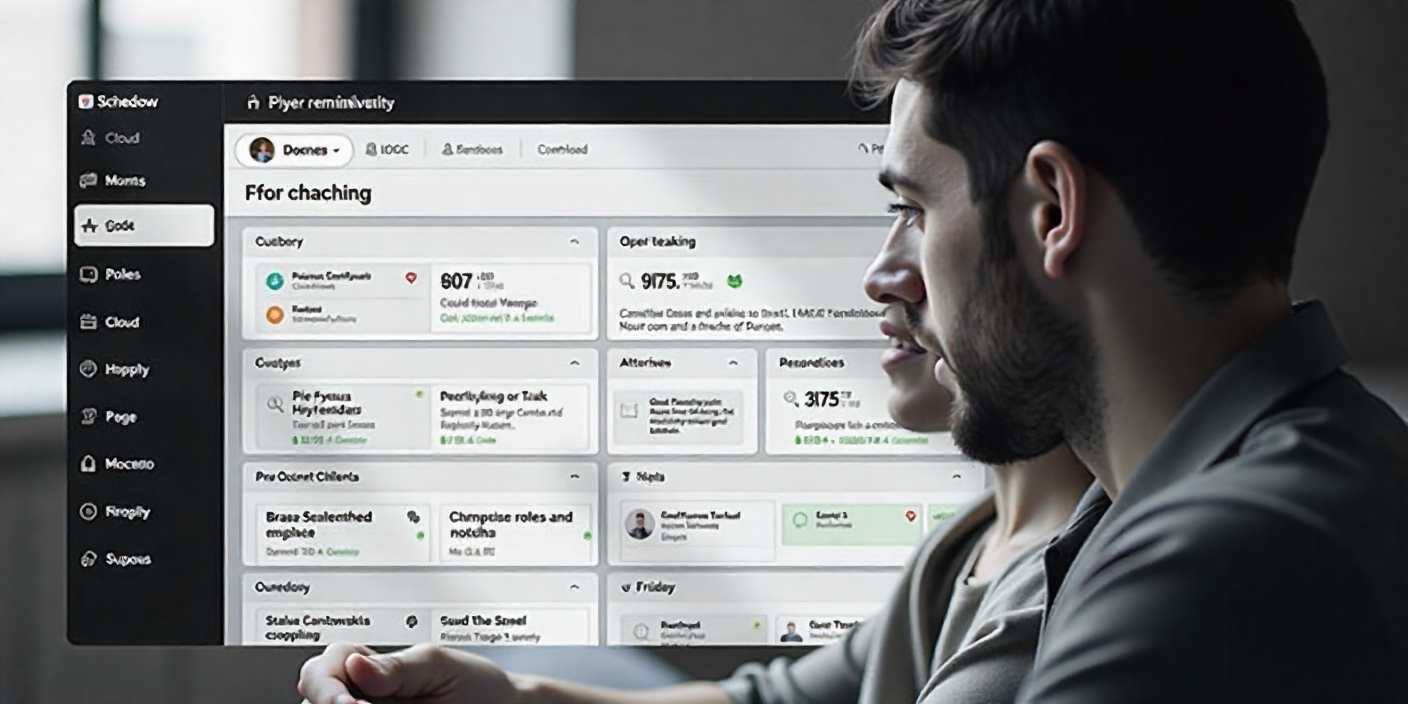
Schedow represents a fundamental shift in how we approach scheduling and productivity management. Unlike traditional calendar applications that require constant manual input, Schedow works intelligently in the background, learning from your patterns and automatically managing your time commitments.
The platform emerged from recognizing a critical gap in modern productivity tools. While most scheduling software focuses on basic calendar functions, Schedow addresses the complex reality of modern work—where priorities shift constantly, meetings overlap, and finding optimal time slots becomes increasingly challenging.
How Schedow Transforms Digital Scheduling
Background Process Intelligence
Schedow operates through what developers call “shadow-like functionality”—working invisibly behind the scenes while providing visible results. This approach differs significantly from conventional scheduling tools that demand active user management.
The system continuously analyzes your scheduling patterns, identifying peak productivity hours, preferred meeting times, and optimal work-life balance arrangements. This data feeds into predictive algorithms that suggest improvements before conflicts arise.
Adaptive Learning Technology
Unlike static scheduling tools, Schedow learns from every interaction. The platform tracks when you accept, decline, or reschedule meetings, building a comprehensive profile of your preferences and constraints.
Key adaptive features include:
- Energy Pattern Recognition – Identifies when you perform best for different task types
- Conflict Prevention – Automatically flags potential scheduling issues before they occur
- Smart Buffer Time – Inserts appropriate breaks between meetings based on your historical needs
- Priority-Based Allocation – Weighs meeting importance against your established preferences
Core Features That Set Schedow Apart
Intelligent Time Blocking
Traditional calendars show appointments but ignore the time needed for preparation, travel, and follow-up. Schedow automatically calculates these elements, creating realistic schedules that account for the full scope of your commitments.
The platform analyzes meeting types, locations, and participant lists to determine appropriate buffer times. Video calls might receive five-minute buffers, while in-person meetings across town get thirty-minute travel allocations.
Cross-Platform Synchronization
Schedow eliminates the chaos of managing multiple calendars across different platforms. The system creates a unified scheduling layer that syncs with existing tools while adding intelligent management capabilities.
Supported integrations include:
- Google Calendar and Google Workspace
- Microsoft Outlook and Office 365
- Apple Calendar and iCloud
- Slack and Microsoft Teams
- Project management tools like Asana and Trello
Team Coordination Engine
Finding meeting times that work for multiple people becomes exponentially complex as team sizes grow. Schedow’s coordination engine analyzes all participants’ schedules, preferences, and time zones to suggest optimal meeting slots.
The system considers factors like:
- Individual productivity patterns
- Time zone differences and preferences
- Meeting room availability and requirements
- Project deadlines and priority levels
- Company-wide busy periods or holidays
Benefits for Different User Types
Individual Professionals
Solo professionals gain significant productivity improvements through Schedow’s personal scheduling intelligence. The platform reduces decision fatigue by handling routine scheduling tasks automatically.
Time Savings: Users report saving 2-3 hours weekly on scheduling activities, allowing focus on core professional responsibilities.
Stress Reduction: Automated conflict prevention eliminates last-minute scrambling to resolve scheduling problems.
Better Work-Life Balance: Smart boundary enforcement helps maintain separation between professional and personal time.
Teams and Departments
Team scheduling complexity grows exponentially with each additional member. Schedow manages this complexity through intelligent group coordination.
Meeting Efficiency: Teams using Schedow report 25% fewer scheduling conflicts and 40% less time spent coordinating meetings.
Resource Management: The platform tracks conference room usage, equipment needs, and other resources to prevent double-bookings.
Project Timeline Integration: Schedow connects meeting schedules with project milestones, ensuring important discussions happen at optimal times.
Enterprise Organizations
Large organizations benefit from Schedow’s scalability and advanced administrative controls. The platform provides visibility into scheduling patterns while maintaining individual privacy.
Analytics and Insights: Administrators gain understanding of meeting patterns, productivity trends, and resource utilization without accessing personal calendar details.
Policy Enforcement: Organizations can establish scheduling guidelines (like no-meeting days or maximum daily meeting limits) that Schedow automatically enforces.
Integration Compliance: Enterprise security requirements are met through advanced encryption and compliance certifications.
Schedow vs Traditional Scheduling Tools
| Feature | Traditional Calendars | Schedow |
|---|---|---|
| Conflict Detection | Manual identification | Automatic prevention |
| Buffer Time | User must add manually | Automatically calculated |
| Learning Capability | Static functionality | Adaptive improvement |
| Team Coordination | Basic availability sharing | Intelligent group scheduling |
| Integration Depth | Surface-level syncing | Deep workflow integration |
| Productivity Insights | Basic time tracking | Advanced pattern analysis |
Implementation and Getting Started
Setup Process
Schedow’s onboarding process takes approximately 15 minutes, during which the system connects to existing calendars and begins learning your patterns. The platform requires minimal configuration thanks to intelligent defaults that adapt based on initial usage.
Week 1: The system observes your existing scheduling patterns without making changes.
Week 2-3: Schedow begins suggesting improvements and optimizations based on identified patterns.
Month 1+: Full adaptive functionality activates, with the system proactively managing schedule conflicts and optimizations.
Best Practices for Maximum Benefit
To achieve optimal results with Schedow, users should:
Allow Learning Time: The platform becomes more effective as it gathers data about your preferences and patterns.
Trust the Suggestions: Initial recommendations might seem unusual, but they’re based on data analysis that may reveal hidden patterns in your scheduling behavior.
Provide Feedback: Rating Schedow’s suggestions helps the system refine its understanding of your preferences.
Regular Review: Monthly reviews of scheduling patterns help identify areas for further improvement.
Privacy and Security Considerations
Data Protection Approach
Schedow processes scheduling data using advanced encryption and privacy-by-design principles. The platform analyzes patterns without storing personal meeting content or sensitive information.
Local Processing: Much of Schedow’s analysis happens locally on user devices, reducing data transmission and storage requirements.
Anonymized Analytics: Any data used for system improvement is thoroughly anonymized and aggregated.
User Control: Individuals maintain complete control over what data Schedow can access and process.
Compliance Standards
The platform meets major international privacy and security standards:
- GDPR compliance for European users
- SOC 2 certification for enterprise clients
- HIPAA compatibility for healthcare organizations
- ISO 27001 security management standards
Future Development and Roadmap
Planned Enhancements
Schedow’s development roadmap includes several major improvements scheduled for 2025:
AI-Powered Meeting Insights: Advanced analysis of meeting effectiveness and productivity patterns.
Voice Integration: Natural language scheduling through popular voice assistants.
Advanced Workflow Integration: Deeper connections with project management and productivity tools.
Mobile-First Features: Enhanced smartphone functionality for on-the-go schedule management.
Community and Feedback
The Schedow development team maintains active engagement with users through beta testing programs and feature request channels. Regular updates incorporate user feedback while maintaining platform stability and reliability.
FAQs
How does Schedow differ from AI scheduling assistants?
While AI assistants handle scheduling requests reactively, Schedow works proactively to prevent conflicts and improve scheduling patterns. The platform focuses on system-level improvements rather than individual transaction handling.
Can Schedow work with existing calendar systems?
Yes, Schedow integrates with all major calendar platforms without requiring migration. The system adds intelligent management layers while preserving existing workflows and data.
What happens to my data if I stop using Schedow?
Schedow stores minimal user data and provides complete data export functionality. Discontinuing service doesn’t affect existing calendar systems, as Schedow works as an overlay rather than a replacement.
Is Schedow suitable for personal use or just business?
Schedow benefits both personal and professional scheduling needs. The platform adapts to any scheduling complexity level, from simple personal calendars to complex organizational requirements.
How quickly does Schedow begin showing results?
Most users notice improvements within two weeks of implementation. Significant productivity gains typically emerge after one month of consistent usage as the system learns individual patterns.
Conclusion: The Future of Intelligent Scheduling
Schedow represents a significant evolution in scheduling technology, moving beyond basic calendar management toward intelligent productivity assistance. By working invisibly in the background while delivering visible results, the platform addresses the growing complexity of modern time management.
The system’s adaptive learning capabilities ensure continuous improvement, making it increasingly valuable over time. For individuals struggling with scheduling complexity or organizations seeking productivity improvements, Schedow offers a compelling solution that grows more effective with use.
As remote work and flexible schedules become standard, tools like Schedow become essential for maintaining productivity and work-life balance. The platform’s combination of intelligent automation and user control positions it as a leading solution for next-generation scheduling needs.