


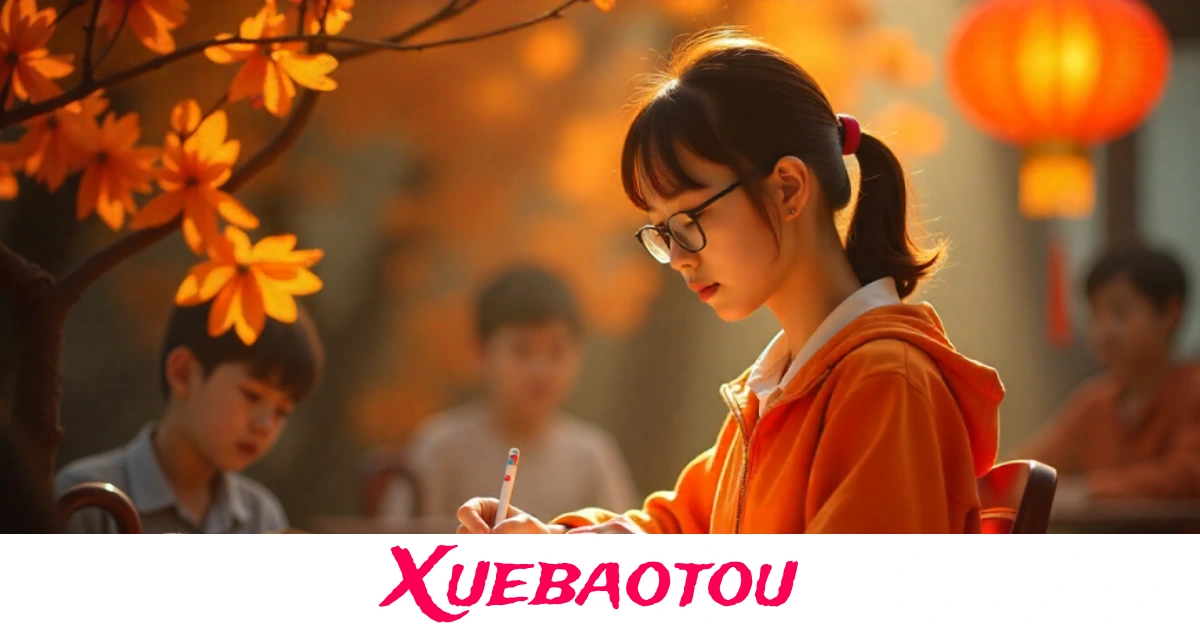
Xuebaotou combines Chinese characters meaning “study,” “treasure,” and “head,” representing someone highly dedicated to learning or regarded as an academic leader. The term reflects China’s deep cultural emphasis on educational achievement and scholarly excellence.
What Does Xuebaotou Actually Mean?
Xuebaotou translates to “Treasure Head of Learning” when broken down by its component Chinese characters. This term represents more than just academic achievement—it captures a cultural philosophy where knowledge becomes a form of personal wealth.
The word structure reveals significant meaning:
- Xue (学) = study or learning
- Bao (宝) = treasure or precious item
- Tou (头) = head, leader, or person
The combination often represents someone who is highly dedicated to learning or regarded as a leader in academic circles. Unlike simple academic terms, Xuebaotou carries emotional weight—suggesting reverence for intellectual pursuit.
The Connection to Xueba Culture
The term “xueba,” which literally translates to “academic guru,” has been spreading on the Chinese Internet for over a year, used to label students who study constantly and achieve outstanding academic performances. Xuebaotou extends this concept further.
Xueba originally meant being “the boss when it comes to studying,” though it can carry both positive and negative connotations depending on context. The evolution from xueba to xuebaotou shows how internet culture shapes academic terminology.
This linguistic progression reflects changing attitudes toward academic excellence. Where xueba might sound intimidating, xuebaotou adds warmth through the “treasure” component—suggesting admiration rather than fear.
Cultural Roots in Chinese Education Philosophy
Chinese academic tradition stems from Confucian legacy, where historical academies propagated and debated classical texts, shaping how people study, teach, and learn. Xuebaotou emerges from this educational foundation.
The term reflects several cultural values:
Respect for Learning: Education holds sacred status in Chinese society. Parents invest heavily in children’s academic success, viewing education as the primary path to social mobility.
Collective Achievement: Unlike Western individualism, Chinese culture celebrates academic success as community honor. A xuebaotou brings pride to family and school.
Long-term Thinking: The “treasure” metaphor suggests knowledge as lasting wealth. Unlike material possessions, learning cannot be lost or stolen.
Modern Digital Usage and Evolution
In modern contexts, xuebaotou symbolizes adaptability, resilience, and innovation, showing linguistic connections to Chinese symbolic traditions. Social media platforms have transformed how the term spreads and evolves.
Contemporary usage includes:
Gaming Communities: Players use xuebaotou to describe strategically brilliant teammates or opponents who demonstrate exceptional game knowledge.
Social Media Praise: Friends compliment each other using xuebaotou when sharing academic achievements or demonstrating expertise.
Professional Contexts: Younger professionals adopt the term to describe mentors or colleagues known for continuous learning.
Online Learning Platforms: Students create usernames incorporating xuebaotou to signal serious academic intentions.
The Academic Pressure Context
Chinese students endure greater academic stress than Western counterparts due to heavier homework burdens and higher parental expectations. Understanding xuebaotou requires acknowledging this pressure-cooker environment.
Academic pressure begins early, with third-grade students already worrying about beating peers academically. Terms like xuebaotou emerge as coping mechanisms—transforming stress into positive identity.
The psychological impact includes:
Identity Formation: Students embrace academic labels like xuebaotou to build positive self-image despite pressure.
Peer Recognition: Being called xuebaotou provides social validation in highly competitive environments.
Motivation Maintenance: The term helps students persist through difficult study periods by framing effort as treasure-building.
Regional Variations and Interpretations
Different regions interpret xuebaotou uniquely:
Northern China: Emphasizes the leadership aspect—xuebaotou as academic authority figure.
Southern Regions: Focuses on treasure metaphor—knowledge as accumulated wealth.
International Communities: Chinese diaspora use xuebaotou to maintain cultural connections while adapting to local education systems.
Academic Institutions: Universities may use similar terms to recognize outstanding students or researchers.
Impact on Student Mental Health
Students under high academic pressure display increased negative emotions like irritability, anxiety, and depression, plus school maladjustment. Terms like xuebaotou can both help and harm student wellbeing.
Positive effects include building academic identity and providing motivation. However, excessive focus on academic achievement can increase pressure and reduce life balance.
Mental health professionals note that healthy use of terms like xuebaotou requires:
Balanced Perspective: Recognizing academic success as one aspect of personal worth, not the only measure.
Sustainable Practices: Avoiding burnout through reasonable study schedules and self-care.
Social Connection: Maintaining relationships beyond academic contexts.
Business and Marketing Applications
Companies increasingly recognize xuebaotou culture for marketing and product development:
EdTech Platforms: Learning apps incorporate xuebaotou themes to appeal to Chinese students seeking academic excellence.
Tutoring Services: Companies position themselves as xuebaotou creators, promising to develop student academic treasure.
Publishing Industry: Educational materials market to parents wanting their children to become xuebaotou figures.
Corporate Training: Businesses adopt xuebaotou concepts for employee development programs emphasizing continuous learning.
Global Influence and Recognition
As Chinese culture spreads internationally, terms like xuebaotou gain recognition beyond Chinese-speaking communities. International students studying in China encounter these concepts, sometimes adopting them in home countries.
Educational researchers study xuebaotou phenomena to understand how cultural values shape learning approaches. Some Western institutions experiment with incorporating Chinese academic intensity while maintaining student wellbeing.
Future Evolution of the Term
Language experts predict xuebaotou will continue evolving as Chinese society changes. Factors influencing future development include:
Economic Shifts: As China’s economy matures, pure academic achievement may become less central to success.
Mental Health Awareness: Growing focus on student wellbeing might soften competitive aspects of terms like xuebaotou.
Globalization: International exposure may modify traditional meanings to appeal to global audiences.
Technology Integration: AI and digital learning might create new contexts for using academic excellence terms.
Practical Applications for Educators
Teachers and educational leaders can use xuebaotou concepts constructively:
Positive Reinforcement: Recognizing students as knowledge treasurers builds intrinsic motivation.
Cultural Sensitivity: Understanding terms like xuebaotou helps educators work effectively with Chinese students.
Curriculum Design: Incorporating treasure-hunting metaphors makes learning more engaging.
Parent Communication: Explaining academic progress using familiar cultural concepts improves family engagement.
FAQs
What’s the difference between xueba and xuebaotou?
Xueba means “study master” or academic overachiever, while xuebaotou adds the treasure concept, suggesting someone who treasures learning itself rather than just achieving high grades.
Is xuebaotou always positive?
Generally yes, though like any academic term, it can create pressure if overemphasized. The “treasure” component typically carries positive connotations.
Can non-Chinese people use this term?
While originating in Chinese culture, the term can be used respectfully by others who understand its meaning and cultural significance.
How do parents react to children being called xuebaotou?
Most Chinese parents view this as high praise, seeing it as recognition of their child’s academic dedication and intellectual development.
Does xuebaotou apply only to traditional academic subjects?
Modern usage extends beyond traditional academics to include any area requiring deep knowledge and continuous learning, from technology to arts.
Is there a female-specific version of xuebaotou?
The term itself is gender-neutral, though some online communities create variations like “xuebaonü” (study treasure girl) for female students.
Understanding xuebaotou provides insight into Chinese educational culture and the evolving relationship between academic achievement and personal identity. As this term continues spreading through global digital communities, it represents both traditional values and modern adaptation in an increasingly connected world.