
There is no licence, exam pass or single route that makes you a dancer. Learning how to become a dancer means years of training in one style. You build that training from weekly classes towards full-time school. Then you prove it at auditions, where companies hire on what they see.
Most beginners picture opening nights and standing ovations. The real week looks plainer: morning class, rehearsals, sore feet and early trains. Our guide on how to become famous covers the fame side honestly. This guide covers how to become a dancer as paid, everyday work.
Key Takeaways
- There is no set route, but training is never optional.
- Ballet hopefuls start young, while other styles welcome late starters.
- Graded exams give your progress a public measure.
- Full-time courses last two to three years and audition first.
- Auditions, not applications, decide most dance jobs.
- Company contracts are rare, so most dancers work freelance.
- Teaching and choreography steady the income between shows.
How to Become a Dancer: What the Job Really Involves
A professional dancer performs choreographed routines on stage or camera. Dancers usually specialise in one style, then add others. The National Careers Service lists auditions, rehearsals and classes as core tasks. Promoting yourself is part of the job too.
A working day often starts with a technique class. Rehearsals then fill the middle of the day. Performances, filming or travel take the evenings. Between contracts, dancers hunt the next job themselves.
The settings vary more than outsiders expect. Dancers work in theatres, television studios and community halls. Cruise ships and touring shows employ dancers for months. Some weeks bring forty hours, others almost none.
Choose a Style You Can Build a Career On
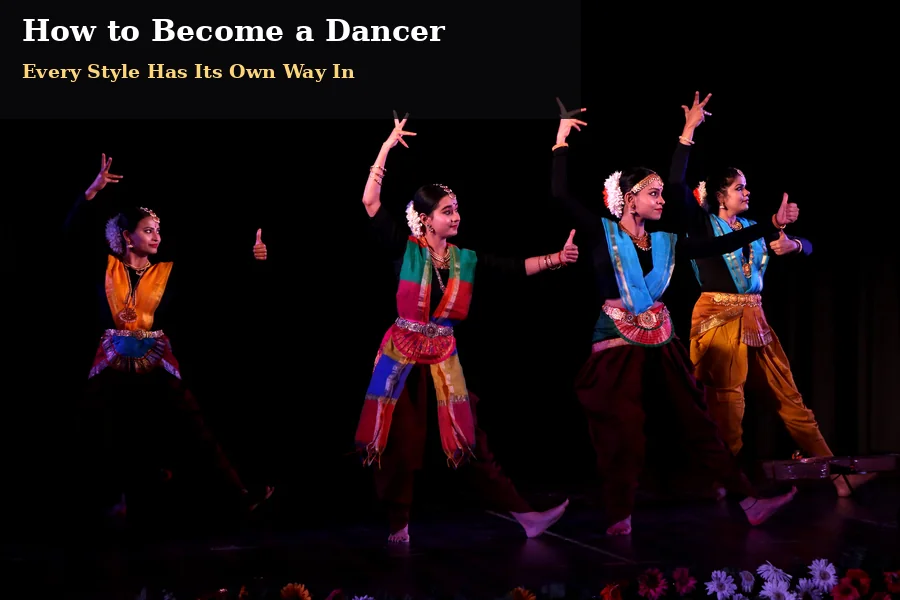
Your first real choice is a main style. Classical ballet and contemporary dance anchor the company world. Jazz, tap and musical theatre feed stage shows. Street dance and commercial styles feed videos and tours.
Classical ballet has the strictest clock of any style. Most ballet dancers begin classes as children. Training usually starts at ten or eleven, per the National Careers Service. Other styles judge the level you show today instead.
Versatility widens your audition pool a lot. A contemporary dancer who also taps suits musicals. A street dancer with ballet basics reads choreography faster. Companies still hire one clear strength first.
- Classical ballet: company work, youngest start, longest training
- Contemporary: touring companies and independent projects
- Jazz and tap: musicals, cruise ships and holiday parks
- Street and commercial: pop videos, tours and television
- Bharatanatyam and other world styles: festivals and cultural tours
Train Properly: Classes, Grades and Full-Time Schools
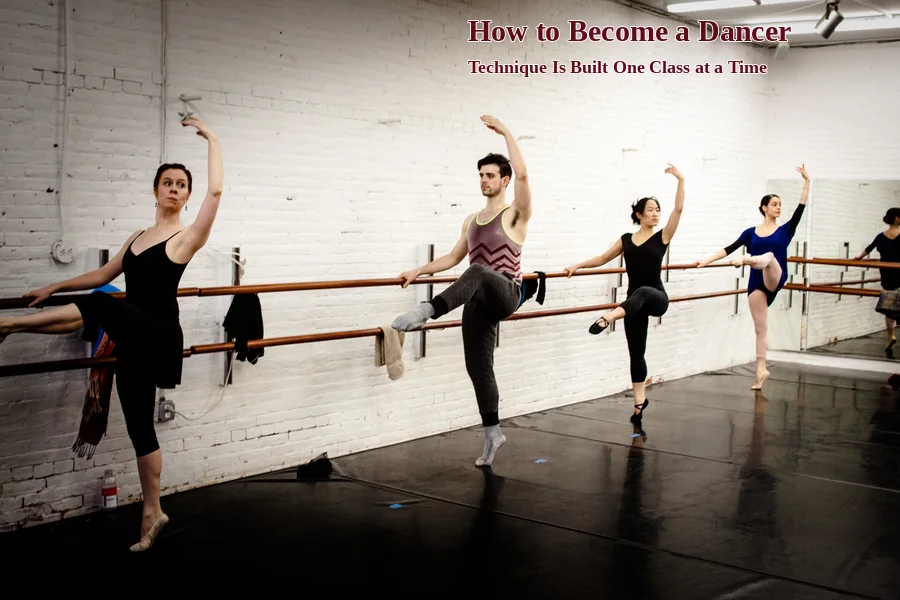
Weekly classes are where every dancer starts. A good teacher corrects your alignment, timing and musicality. Graded exams then measure that progress in public. Three bodies run the main exam syllabuses in Britain.
They are the Royal Academy of Dance, the ISTD and bbodance. Each syllabus climbs grade by grade towards vocational levels. Exam marks also strengthen applications for full-time schools. Teachers spot exam-ready students early and push them kindly.
Full-time training is the bigger step after school. Dance schools and universities run diploma and degree courses. Most last two to three years at approved schools. Entry runs through an audition, not grades alone.
Look After the Body That Earns Your Living
Your body is the instrument in this trade. Dancers train like athletes because the work demands it. Strength, stamina and flexibility decide who survives long rehearsals. Our singer guide makes the same point about voices.
Small habits protect a long career quietly. Warm up before class and cool down afterwards. Eat and sleep like training depends on them. Rest days are training days for tired tissue.
- Warm up gently before every class and rehearsal.
- Add strength work, like Pilates or gym sessions, weekly.
- Treat pain that lingers as a warning, not weakness.
- See a physiotherapist early when an injury keeps returning.
Injuries handled early usually cost days, not seasons. Dancers who hide pain often lose whole contracts. Honest dancers tell the choreographer before a problem grows. That honesty protects the whole cast too.
Training Routes Compared: Classes, College and School
Every route into how to become a dancer trades differently. Weekly classes cost least and move slowest. Full-time school costs most and moves fastest. The table below compares the four honest options.
| Route | What it involves | Best for |
|---|---|---|
| Weekly classes and grades | Evening classes plus graded exams | School pupils and adult beginners |
| College diploma | One or two years of full-time study | Teenagers testing a serious future |
| Vocational school or degree | Two to three years, entry by audition | Company and theatre hopefuls |
| Self-taught commercial route | Classes, battles, crews and online work | Street and commercial dancers |
Funding help exists for some full-time places. Dance and Drama Awards support fees at approved schools. Student finance covers many degree courses as usual. Check each school’s funding page before you apply.
Get Experience Before You Chase Paid Work
Stage hours matter as much as studio hours. Amateur companies and youth dance groups perform real shows. Festivals and competitions put you before unfamiliar audiences. Each show teaches pacing, nerves and quick costume changes.
Community dance organisations also hire keen assistants. You learn how classes run from the front. Teaching a warm-up at sixteen builds unusual confidence. Those small credits fill an early CV honestly.
Film everything you perform, even on a phone. Choreographers ask for footage before they meet you. Short, clean clips beat long shaky recordings. That footage becomes your first showreel later.
Auditions and Showreels: Where Jobs Are Won
Most dance jobs are decided in one morning. An audition usually opens with a taught class. The panel watches technique, memory and attitude together. Cuts happen between rounds, kindly but quickly.
You may then learn a routine at speed. Panels watch how fast you absorb corrections. A solo piece sometimes closes the day. Our stunt performer guide shows the same pattern in film work.
Bring a CV, headshots and a short showreel. Agents help some dancers reach closed auditions. Many dancers find work without one, though. Equity and One Dance UK offer guidance and industry contacts.
Paid Work: Companies, Tours, Cruises and Screens
Company contracts are the steadiest prize in dance. A company dancer trains, rehearses and tours with one ensemble. British companies tour nationally for much of the year. Those contracts still go to a small minority.
Musicals employ far more dancers each season. West End casts usually perform eight shows a week. Commercial dancers back singers on tours and videos. Cruise ships hire dancers on contracts lasting months.
Teaching runs beside performing for most dancers. Evening classes and school workshops pay between contracts. Experienced dancers move towards choreography and rehearsal direction. Holiday parks and corporate events fill quieter gaps.
The Money: Freelance Chunks and Quiet Months
Dance income arrives in uneven, freelance chunks. A tour pays well for three busy months. The month after may bring almost nothing. Most dancers blend performing with teaching or other work.
Nobody honest can quote you one true average wage. A West End contract, a cruise season and a wedding gig pay unrelated money. Old web pages still quote union rates from years ago. Check current Equity guidance before trusting any figure.
Simple habits protect a patchy income. Agree fees and expenses in writing before rehearsals. Invoice on the day the job ends. Keep a small buffer for the quiet months.
The Dancers Who Last Are the Ones Who Keep Turning Up
Start learning how to become a dancer this month. Join one class in a style you love. Add a second weekly session once it sticks. Small, repeated weeks build a professional body.
Save this guide and share it with a training partner. Then book the class, pack your bag and go. Your first class is your starting line. Every professional you admire began exactly there.
Frequently Asked Questions
Do I need a degree to become a dancer?
No degree is required to work as a dancer. Companies hire on audition, where your training and stage experience speak first. Diplomas and degrees help many dancers build technique and contacts. Plenty of working dancers trained through classes and grades instead.
Am I too old to start dancing?
Classical ballet usually starts in childhood, often at ten or eleven. Contemporary, jazz, street and commercial styles welcome teenage and adult starters. Companies judge the level you show at audition today. Late starters often progress fastest in teaching and community work.
How long does it take to become a professional dancer?
Most professionals train for years before their first contract. Children in weekly classes may take a decade to reach company standard. Adults entering commercial styles sometimes work within two or three years. Your starting level and weekly hours decide the honest answer.
Do dancers need an agent?
No, an agent is optional in this trade. Some agents reach closed auditions and negotiate contracts for clients. Many dancers book work through open calls, companies and contacts instead. Never pay an agent upfront for representation alone.
How much do dancers earn in the UK?
Earnings vary too widely for one honest average. Company contracts pay a salary, while freelance jobs pay per show or per week. Teaching and workshops fill the gaps for most dancers. Check current Equity guidance for minimum rates on union contracts.