You become a stunt performer by mastering physical skills to a provable standard. The professional register and coordinators’ trust come next, over years. There is no single course or shortcut. The register’s skill requirements set the real entry bar.
This is the most physical door into film work. It is also the most honestly merit-based. Nobody cares how you look on a poster. Coordinators care what you can do safely, repeatedly, on camera.
Key Takeaways
- The British Stunt Register sets the professional standard.
- Six skill areas, proven to high grades, form the usual route.
- Martial arts, gymnastics and falls training matter most early.
- Coordinators hire reliability and calm as much as talent.
- Years of training precede most first professional credits.
What Stunt Performers Actually Do
Stunt performers double actors for dangerous action. They take falls, fight on camera and crash vehicles. They also play background soldiers, rioters and victims. Much of the work is unglamorous and repetitive.
A stunt coordinator designs and supervises every sequence. Performers execute the plan exactly as choreographed. Improvisation on set is a sacking offence. Precision, not daredevil instinct, defines the profession at every level. The audience should gasp while the crew stays calm.
Television soaps and dramas hire steadily in the UK. Films bring bigger sequences and longer engagements. Commercials occasionally need falls or fights too. The working diary mixes all three sources across the year.
This branch sits far from ordinary background work. Our film extra guide covers that gentler entry route. Stunt work begins where extra work ends. The training gap between them takes years.
The Skills the Register Expects
The British Stunt Register organises professional stunt work. Entry requires proven ability across several skill categories. Applicants typically demonstrate a spread like this:
- Fighting, usually martial arts to a high grade
- Falling, including high falls and stair falls
- Riding and driving, horses or vehicles
- Water skills, swimming and sub-aqua work
- Gymnastics and trampolining for air awareness
- Strength, agility and general athletic ability
Standards sit deliberately high for safety reasons. A black belt alone does not qualify anyone. Evidence, gradings and experience all get examined. The process protects performers, productions and insurers alike.
Guides on how to become a stunt performer stress this choice. Choose skills that suit your body and background. Former gymnasts and martial artists start ahead. Swimmers and riders bring rarer, valuable specialisms. Two strong skills beat six weak ones initially.
Training Routes That Actually Help
Martial arts clubs provide the commonest foundation. Boxing, judo, taekwondo and kung fu all transfer. What matters is control at full speed. Gradings create the paper trail coordinators respect.
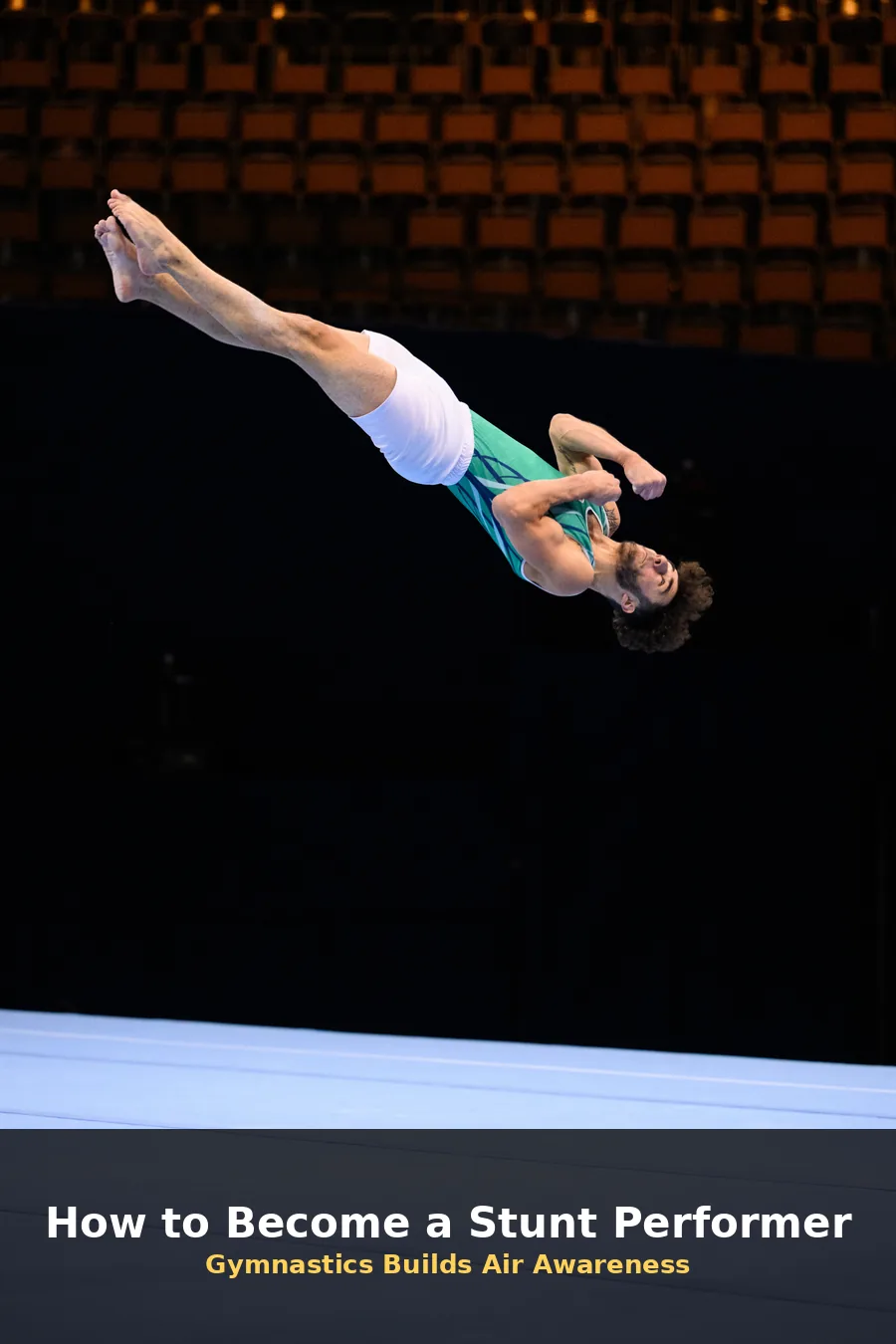
Gymnastics and trampolining teach safe falling mechanics. You learn where your body is mid-air. That awareness prevents panic during real falls. Adult gymnastics classes exist in most large towns.
Screen-fight courses add the camera layer. Real fighting looks messy and reads badly. Stunt fighting sells impact without contact. Specialist academies teach that illusion directly.
Driving and riding lessons widen your casting value. Precision driving courses teach repeatable car work. Horse riding to a confident standard helps period dramas. Each added skill multiplies your hireable days.
Anyone learning how to become a stunt performer should log everything. Keep grading certificates, course records and footage. Your evidence folder becomes your application one day. Coordinators trust documented skills over confident claims.
A Typical Path, Year by Year
Guides on how to become a stunt performer often skip the timeline. Year one usually means foundations in two chosen skills. Regular classes, early gradings and general conditioning fill it. Most people also start extra work for set experience.
Years two and three deepen the evidence. Higher grades, screen-fight courses and a first showreel appear. You meet coaches who know coordinators personally. Their references will matter when applications open.
Beyond that, the register application becomes realistic. Credits accumulate slowly through doubling and background action. Full professional status rewards those still standing. The timeline is long because the standard is real.
Safety, Insurance and the Professional Mindset
Stunt work is managed risk, never recklessness. Every gag is rehearsed, padded and checked. Saying no to an unsafe request is professional. Coordinators blacklist cowboys, not careful performers.
Fitness is a job requirement, maintained year-round. Injuries end diaries and sometimes careers. Warm-ups, conditioning and rest are professional duties. Treat recovery as seriously as training itself.
Insurance follows professional registration and credits. Productions insure registered performers through standard arrangements. Unregistered risk-takers expose everyone around them. The register exists partly to keep standards insurable.
Families deserve an honest conversation early. The work carries real physical risk forever. Good performers reduce it, never eliminate it. Enter with clear eyes about that reality, or not at all.
Getting Hired by Coordinators
Coordinators keep informal lists of trusted performers. Breaking onto those lists takes patience and visibility. Training days and workshops put you in their orbit. Show up fit, equipped and quietly competent.
Doubling work often comes before featured gags. Matching an actor’s build and movement matters. Your showreel should display clean, varied skills. Short clips beat long compilations every time.
Reputation travels fast in a small industry. Be early, be calm, never complain on set. One reliable day on set earns the next phone call. Most careers grow exactly that slowly.
Kit matters more than beginners expect. Your own pads, helmets and basic rigging gear travel everywhere. Coordinators notice performers who arrive fully prepared. Borrowed or missing equipment quietly costs future bookings. Build the kit bag gradually alongside your skills.
This side of the industry connects to the wider fame ladder. Our guide to how to become famous maps the full terrain. Stunt performers power its biggest scenes anonymously. Many prefer that anonymity for life.
How to Become a Stunt Performer FAQs
How long does it take to become a stunt performer?
Most performers train for several years first. Register standards demand high grades across skills. Martial arts and gymnastics alone can take half a decade. Prior athletic backgrounds shorten the journey somewhat. There is no fast track that coordinators respect. Treat the training years as the real apprenticeship.
Do stunt performers need qualifications?
Professional work runs through the British Stunt Register. It requires proven skills across set categories. Gradings in martial arts and other disciplines provide evidence. Productions and insurers rely on that standard. Amateur credits help but never replace registration. Check the register’s current criteria before planning.
How much do UK stunt performers earn?
Daily rates vary with the production and risk involved. Registered performers earn professional day rates plus stunt adjustments. Dangerous gags add negotiated extra payments on top. Work is freelance and often seasonal, though. Annual income depends heavily on credits and relationships. Few performers rely on one production alone.
Is stunt work very dangerous?
It carries genuine risk that professionals manage carefully. Choreography, rehearsal and protective equipment reduce danger substantially. Most working days involve controlled, repeated actions. Serious injuries remain rare but possible in the field. Recklessness, not the work itself, causes most accidents. Safety culture is the industry’s proudest feature.
What is the best first skill to learn?
Martial arts offers the broadest starting value. Fight scenes appear in most action productions. Gymnastics follows closely for falls and air control. Swimming adds an inexpensive third string early. Choose whatever you will practise for years happily. Consistency matters more than the starting choice itself.
Can I become a stunt performer without acting skills?
Basic acting comfort helps but rarely decides hiring. You double actors rather than replace them. Movement quality and physical storytelling matter more. Some performers later cross into speaking roles. Most build entire careers on physical performance alone. Coordinators hire skills and reliability first.
Skill, Patience and a Long Career
The register’s bar keeps the profession small and trusted. Years of gradings stand between beginners and professional sets. That gap is the profession’s quality control, not its cruelty. That difficulty protects everyone who clears it. Coordinators hire the qualified, then rehire the reliable.
Knowing how to become a stunt performer is the easy part. Pick two skills and train this month. Log every grade and gather footage carefully. The long road is the only road here. Every working performer once stood where you stand. Explore more routes into the industry in our Celebrity section.