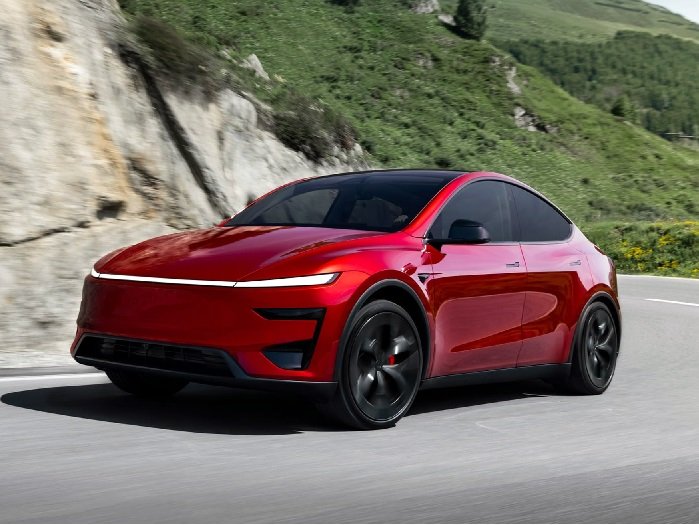
Electric cars in 2026 are no longer a glimpse into the future — they’re the present, and they’re cheaper, faster, and smarter than most people ever expected.
Not too long ago, owning an electric vehicle felt like something only tech millionaires or eco-warriors would do. But here’s the thing: that whole idea is now completely out of date. Electric cars in 2026 have quietly taken over showrooms from coast to coast, and the numbers tell a story that’s hard to ignore. The U.S. electric vehicle market is projected to hit a staggering $114.9 billion in revenue in 2026, with global EV sales forecast to reach 22.7 million units this year alone. If you’ve been sitting on the fence wondering whether it’s the right time to go electric, well — you might already be a little late to the party, but there’s still plenty of room.
This article breaks down everything you need to know: the top models, the real prices, what’s actually worth buying, and what’s rolling out soon. By the time you’re done reading, you’ll know exactly where to put your money.
Why Electric Cars Are Dominating in 2026
The electric car revolution in 2026 didn’t just arrive — it roared in like a freight train. A few years back, the biggest complaints about EVs were simple: too expensive, too little range, too few places to charge. One by one, those walls have come crashing down. Battery technology got cheaper, charging networks spread like wildfire, and automakers finally started competing hard on price.
North America now holds roughly 42% of the global electric car market share in 2026, with the U.S. leading the charge. Back in 2021, only about 3.2% of new cars sold in America were fully electric. That number climbed to 8.1% by 2024, and 2026 is pushing even higher. States like California, Washington, Colorado, and Oregon are already well past the 10% EV adoption mark. The tipping point has clearly arrived, and it’s dragging the rest of the country along with it.
What’s driving all this? Lower sticker prices, for one thing. The average EV price gap compared to a gas car has narrowed dramatically. Government policy, growing consumer awareness about fuel savings, and a much bigger selection of models have all poured fuel — well, electricity — into the fire. Oh, and let’s not forget: gas prices have stayed unpredictable and painful, hovering around $3.20 to $4.00 per gallon in early 2026, which makes plugging in at home look awfully attractive.
Top Electric Car Models in 2026
The lineup of electric cars in 2026 is genuinely impressive. Whether you want a budget-friendly daily driver, a family SUV, a pickup truck, or something luxurious enough to make your neighbors jealous, there’s something on this list for you.
Tesla Model 3 (2026) — The king of the hill hasn’t given up its crown yet. The 2026 Tesla Model 3 starts at around $38,360, and the entry-level Standard version posts an EPA-estimated range of 321 miles, stretching to a real-world 339 miles in independent testing. That’s the longest range you’ll find at that price point among mainstream EVs. Tesla’s Supercharger network is still the gold standard for road tripping — nobody else comes close in terms of reliability and coverage. The Model 3 comes with a 4-year/50,000-mile basic warranty and an 8-year/100,000-mile battery warranty.
Chevrolet Equinox EV (2026) — This one’s the crowd pleaser of the year. At a starting price of around $34,995 (AWD versions in the $30,000–$40,000 range), the Equinox EV brings a solid 319 miles of EPA-estimated range and standard features like adaptive cruise control and automatic climate control that used to cost extra on rival vehicles. It’s not flashy, but it gets the job done and then some — a practical choice for the average American family.
Hyundai Ioniq 5 (2026) — Starting at $42,600, the Ioniq 5 is the top-rated 2-row electric SUV of the year, according to car experts. Its 800-volt architecture means it can charge from 10% to 80% in roughly 18 minutes flat — about twice as fast as most 400-volt competitors. The RWD version offers up to 318 miles of range. If you take more than two road trips a year, the Ioniq 5’s blazing charge speed makes it a serious contender over the Tesla.
Kia EV9 (2026) — The 3-row electric SUV answer to prayers starts at $54,900. With competitive range and a fast charging time that rivals the Ioniq 5 (they share the same platform), the EV9 seats seven and carries enough cargo to handle a family vacation without breaking a sweat.
Nissan LEAF (2026) — The all-new 2026 LEAF comes in just over $31,000 and offers 303 miles of range — a remarkable value for buyers who want something simple and reliable. It carries on the tradition of being one of the most affordable new EVs on the market and is a strong pick for city commuters.
Lucid Air (2026) — At the other end of the spectrum, starting at $70,900, the Lucid Air offers the longest range of any production EV at up to 512 miles. It’s a luxury statement and a technical marvel, but it’s built for a very specific kind of buyer.
Chevrolet Silverado EV (2026) — For pickup truck fans, the Silverado EV starts at $52,800, with some models approaching 500 miles of range. It can handle real truck work while still saving you thousands at the “pump.”
Electric Car Prices in 2026: Quick Comparison Table
Here’s a snapshot of the top 2026 EV models with key specs and pricing:
| Model | Starting Price (USD) | Range (EPA Est.) | Charge to 80% | Best For |
|---|---|---|---|---|
| Tesla Model 3 Standard | $38,360 | 321 miles | ~15.5 min (Supercharger) | Sedans, range priority |
| Chevy Equinox EV | $34,995 | 319 miles | ~30 min | Budget SUV buyers |
| Hyundai Ioniq 5 RWD | $42,600 | 318 miles | ~18 min | Road trippers |
| Kia EV9 | $54,900 | ~300+ miles | ~18 min | Large families |
| Nissan LEAF 2026 | $31,000 | 303 miles | ~45 min | Budget commuters |
| Lucid Air | $70,900 | 512 miles | ~22 min | Luxury buyers |
| Chevy Silverado EV | $52,800 | Up to ~490 miles | ~40 min | Truck owners |
Upcoming Electric Cars Releasing Soon
The electric cars in 2026 already turning heads are just the warm-up act. A wave of new models is either hitting dealerships now or sitting right around the corner, and several of them could shake up the whole market.
Tesla Model 2 (Affordable Tesla) — Tesla’s long-awaited budget model is expected to arrive around the $25,000–$30,000 mark, positioning it as the brand’s entry point for everyday buyers. It’s the EV Tesla fans have been waiting years for, and if it delivers on its promise, it could change the affordable EV game overnight.
BYD Seagull — China’s BYD has already taken the global EV world by storm, and the Seagull is their ultra-budget offering priced under $15,000 in overseas markets. Its arrival in the U.S. market faces trade and tariff hurdles, but it signals just how much pressure is building on American automakers to bring prices down further.
Mitsubishi Lancer Sportback EV — Set to debut in summer 2026, this compact EV is expected to start around $30,000 and inherit a 300-mile range from the Nissan LEAF platform. It brings back a beloved nameplate in electric form — a clever nostalgia play.
Mercedes-AMG GT 4-Door Coupe EV — For those with deep pockets, this beast is rolling into U.S. dealerships in the second half of 2026 at prices expected to fall in the $150,000–$210,000 range. Packing up to 1,153 horsepower and a 0–60 mph time of two seconds flat, it’s the kind of car that makes your jaw hit the floor.
Ford Affordable EV Platform — In August 2026, Ford announced a brand-new affordable EV platform alongside a midsize electric truck. This is a direct shot across Tesla’s bow, and it could mean a new era of competitive pricing from legacy American automakers.
Key Features to Consider When Buying an EV in 2026
Shopping for an electric car in 2026 isn’t quite as simple as picking the prettiest color. There are some real, practical things that’ll make or break your ownership experience.
Battery Range & Charging Architecture — Range anxiety has faded for most buyers, but it still matters. For daily commutes under 50 miles, any car on this list is overkill in the best way. For road trippers, the 800-volt architecture in Hyundai and Kia EVs offers a huge advantage — getting 10%–80% in 18 minutes versus 30–45 minutes in 400-volt rivals. On a 1,200-mile road trip with three charging stops, that’s up to 75 fewer minutes spent staring at a charging screen.
Home Charging Setup — Here’s something the car commercials won’t always tell you: home electricity at around $0.13–$0.17 per kWh is where the real savings live. Public DC fast charging at $0.28–$0.48 per kWh starts to chip away at your fuel savings fast. If you live in an apartment without charging access, run the public charging numbers carefully before assuming an EV is cheaper to fuel.
Warranty & Reliability — Most EVs carry an 8-year or 100,000-mile battery warranty, which is solid protection. Out-of-warranty battery replacements can cost anywhere from $8,000 to $15,000+, which is no small thing. Stick to mainstream brands — Tesla, Hyundai, Kia, Chevy — where parts availability and service networks are mature and well-established.
Electric Cars vs. Traditional Cars: Cost Comparison 2026
This is the conversation every potential buyer needs to have with themselves, so let’s lay it out plainly.
At the gas pump, a conventional car averaging 30 MPG costs roughly $10.67–$11.67 per 100 miles at 2026 gas prices. An EV charging at home costs roughly $4.57 per 100 miles — that’s more than half the cost, every single mile. Over a year at 15,000 miles, that’s approximately $770–$1,200 in fuel savings depending on your state’s electricity rates.
On maintenance, EVs win clearly. No oil changes. No transmission service. No exhaust work. Regenerative braking massively reduces brake wear. AAA data pegs average gas car maintenance at about $1,200 per year; EV maintenance runs closer to $600 per year — a $600 annual savings that adds up to $3,000 over five years.
Here’s a side-by-side look:
| Cost Category | Gas Car (5 Years) | Electric Car (5 Years) | EV Savings |
|---|---|---|---|
| Fuel Cost | ~$9,750 | ~$4,350 | ~$5,400 |
| Routine Maintenance | ~$6,000 | ~$1,500–$2,300 | ~$3,700–$4,500 |
| Federal Tax Credit | $0 | Up to $7,500* | Up to $7,500 |
| Total Advantage | — | — | ~$10,000–$17,000 |
*Note: The federal EV tax credit (Section 30D, up to $7,500) expired September 30, 2025 for new vehicles. Many state-level incentives remain active — check your state energy office for current offers.
Over a 10-year period, the math gets even cleaner. An EV owner typically saves around $8,700 compared to a gas car equivalent, and that’s before factoring in any state incentives. The break-even point for most buyers falls between 3 and 7 years depending on local electricity rates, annual mileage, and purchase price.
Best Electric Car for Your Needs in 2026
There’s no single “best” electric car — it all depends on your life, your budget, and how you drive. But here’s a honest guide to narrow it down.
Best Budget EV in 2026: The Nissan LEAF at just over $31,000 and 303 miles of range is the most affordable entry point for solid everyday transportation. The Chevy Equinox EV at $34,995 steps up with more space and a slightly longer range for buyers who need a bit more room.
Best Premium EV in 2026: The Hyundai Ioniq 5 at $42,600 punches well above its weight class. Its 18-minute fast charge capability, comfortable interior, and strong range make it the complete package for drivers who put serious miles on their car. The Tesla Model 3 remains a brilliant choice for anyone who values range and access to the best charging network in the country.
Best SUV Electric Car in 2026: For families, the Kia EV9 at $54,900 is in a class of its own — three rows of seating, rapid charging, and a premium feel that rivals luxury brands at a fraction of the price.
The bottom line? Electric cars in 2026 have finally closed the gap. The savings are real, the range is real, and the choices have never been better. Whether you’re a first-time EV buyer or upgrading from an older model, the right car is out there — and the time to make the move has genuinely arrived.
Frequently Asked Questions
What is the cheapest new electric car in the USA in 2026?
The Nissan LEAF comes in just over $31,000 and offers 303 miles of range, making it the most affordable new EV on the U.S. market in 2026.
Which electric car has the best range in 2026?
The Lucid Air tops the charts with up to 512 miles of rated range. Among mainstream EVs, the Tesla Model 3 Long Range and the Chevrolet Silverado EV both offer ranges approaching or exceeding 400–490 miles.
Are electric cars worth buying in 2026?
For most drivers with home charging access, yes. Between $770–$1,200 in annual fuel savings, roughly $600 per year in maintenance savings, and available state incentives, an EV typically pays for its premium within 3–7 years.
What electric cars are coming out soon?
The Tesla Model 2 (sub-$30,000), the Mitsubishi Lancer Sportback EV (~$30,000), the Mercedes-AMG GT 4-Door Coupe EV, and Ford’s new affordable EV platform are all arriving in 2026 or shortly after.
How much does it cost to charge an electric car at home in 2026?
At the national average of roughly $0.16–$0.17 per kWh, a full charge for a mid-range EV (75 kWh battery) runs about $12–$13 — enough for 300+ miles of driving. That works out to approximately 4–5 cents per mile, compared to 10–12 cents per mile for a typical gas car.