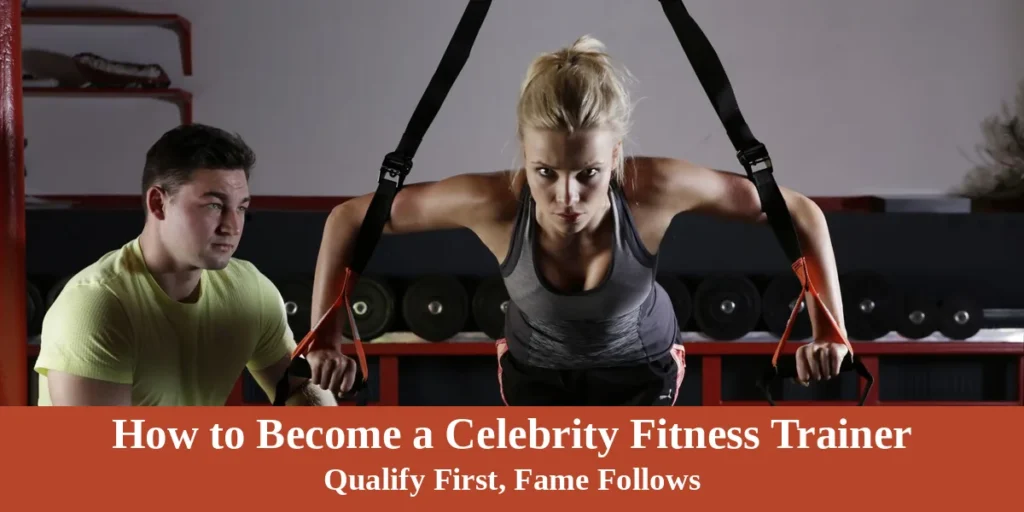
Learning how to become a celebrity fitness trainer starts with an ordinary qualification. There is no celebrity licence, fast track or famous clients course. You qualify as a personal trainer, then earn trust slowly. Famous names arrive years later, through other people’s recommendations.
This guide maps the whole road in UK terms. It covers the qualifications, the professional register and the insurance. It then covers gym floor years, honest pay and working patterns. Every figure comes from a named source you can check.
How to Become a Celebrity Fitness Trainer: The Job Up Close
The daily work looks ordinary from outside the gym door. You assess each client and agree clear, measurable goals. You build progressive programmes that develop strength, fitness and mobility. You record heart rate, body composition and steady progress.
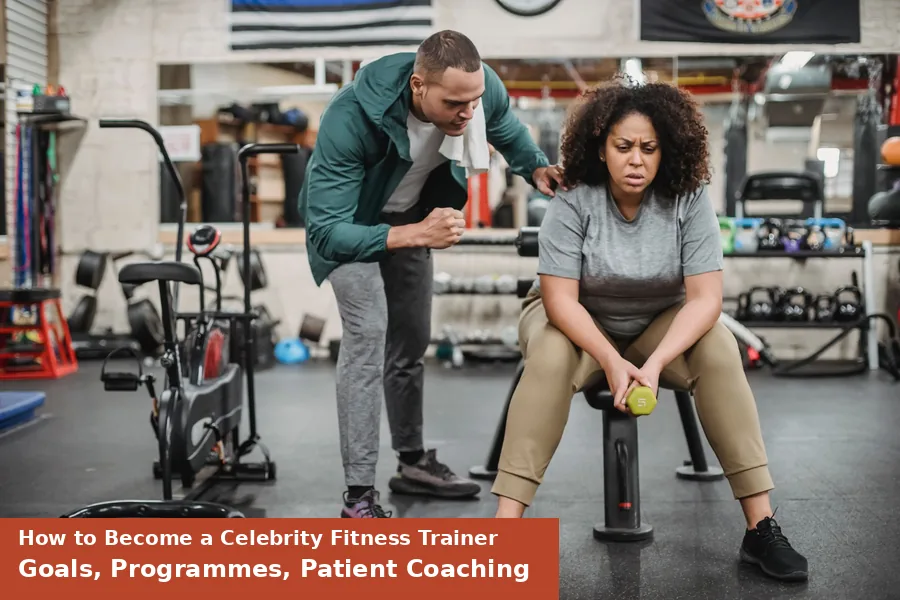
The celebrity version adds pressure around those same basics. A film role can fix a deadline for visible change. A tour demands energy across months of nightly shows. Sessions move between gyms, homes, hotels and film sets.
- One to one coaching on the gym floor
- Programme writing and regular progress testing
- Early starts before filming or travel days
- Liaison with managers, assistants and physios
- Business admin for a self-employed practice
- Progress photos only with written client consent
Discretion sits over everything from the very first session. Clients discuss health, family and work while they train. None of that conversation ever leaves the room. Trainers who gossip lose famous clients very quickly.
The Qualification Spine: Level 2, Level 3 and CIMSPA
Most trainers begin with a Level 2 gym instructing qualification. They add Level 3 personal training before charging any client. Combined packages exist, and many people complete both together. Employers recognise qualifications that follow the sector’s professional standards.
The National Careers Service personal trainer profile lists three main routes. College courses, apprenticeships and private providers all lead to Level 3. Direct application follows once you qualify with experience.
- A college course in personal training or gym instructing
- A Level 3 apprenticeship, typically lasting around fifteen months
- A specialist course with a private training provider
- Direct application once qualified, with gym instructing experience
CIMSPA is the sector’s chartered professional body. Its endorsed training is delivered only by approved education partners. Those courses align with standards written by employers themselves. Qualified Level 3 trainers can hold practitioner membership.
Three extras matter before you charge anyone a penny. A first aid certificate including CPR is usually expected. Self-employed trainers need public and professional liability insurance. Enhanced background checks can apply with younger or vulnerable clients.
In Short
| Move | What It Involves |
|---|---|
| Qualify first | Level 2 instructing, then Level 3 training |
| Train endorsed | CIMSPA endorsed courses from approved partners |
| Protect the work | First aid cover and liability insurance |
| Earn the floor | Years of ordinary clients before famous ones |
| Stay invisible | Results travel, client stories never do |
| Keep learning | CPD and specialist courses each year |
Gym Floor Years: Where Famous Clients Actually Find You
Almost nobody hires an unknown trainer for a famous client. Premium gyms in wealthy districts act as the shop window. Trainers there coach executives, presenters and performers every week. One delighted client quietly recommends you to the next.

Entertainment work also arrives through the people around fame. Managers, publicists and personal assistants guard every famous diary. A warm introduction from that circle carries real weight. Our celebrity personal assistant guide shows how that gatekeeping works.
Specialisms help you stand out on a crowded floor. Strength and conditioning suits actors preparing for physical roles. Pre and post natal training supports clients after pregnancy. Exercise referral suits clients managing long term health conditions.
Pay and Patterns: Session Rates, Retainers and On Call Hours
Indeed Salaries puts the UK personal trainer average at £32,409. That figure rests on 2.7k salaries, updated 29 October 2026. Its typical range runs from £25,420 to £52,032 yearly. London trainers average £37,205 in the same dataset.
| Setting | Figure | Source |
|---|---|---|
| UK average salary | £32,409 a year | Indeed Salaries, Oct 2026 |
| London average salary | £37,205 a year | Indeed Salaries, Oct 2026 |
| Freelance session rate | £20 to £60 an hour | Prospects |
| Typical full time earnings | £30,000 to £40,000 a year | Prospects |
| Celebrity clients | No published rate | Agreed privately |
Prospects quotes freelance charges of £20 to £60 hourly. It notes higher rates for London and high profile clients. It puts overall earnings between £15,000 and £60,000 plus. Most full time trainers sit in the middle band.
No official source publishes a separate celebrity trainer rate. Celebrity fees are retainers or day rates agreed privately. They price in travel, unsocial hours and total availability. Anyone quoting a standard celebrity rate is simply guessing.
The Celebrity Layer: Travel, Deadlines and Total Discretion
Famous clients train wherever their work takes them. Hotel gyms, rented houses and film sets replace your studio. Programmes must survive time zones, travel days and late shoots. Portable kit and bodyweight training become everyday tools.

Written confidentiality agreements are common at this level. Some clients ban phones and photographs during sessions entirely. You may hear scripts, contracts and family news early. The celebrity bodyguard guide describes the same professional silence.
The hours bend around production and performance schedules. A 5am session may precede a twelve hour filming day. Rest days move whenever flights or concerts move. That flexibility defines how to become a celebrity fitness trainer.
Habits That End Celebrity Placements Early
Most celebrity placements end over trust, not training knowledge. Famous households test discretion before they test programming. Small habits decide whether your name travels well. The warning signs below end more placements than weak programming.
- Posting client photos or session details online
- Repeating anything about a client’s health or plans
- Missing early starts or arriving unprepared
- Letting first aid cover or insurance lapse
- Skipping CPD while training methods move on
One screenshot can end a career in this niche. Households share warnings faster than they share praise. The trainers who last treat privacy as the product. Protecting that trust is a daily habit, not a slogan.
Earn the Quiet Reputation First
Start with the ordinary road and walk it properly. Qualify at Level 3, join the professional register, insure yourself. Coach hundreds of ordinary clients across several good years. That record is what famous households actually buy.
The fame side is mapped in our guide on how to become famous. More household routes fill our Celebrity category archive. Learning how to become a celebrity fitness trainer takes patience. The famous names are the final step, never the first.
Frequently Asked Questions
What qualifications do I need to become a celebrity fitness trainer?
The first step in how to become a celebrity fitness trainer is qualifying like other trainers. Most routes combine Level 2 gym instructing with Level 3 personal training. Choose CIMSPA endorsed training that employers recognise. Add a first aid certificate including CPR, plus liability insurance.
How long does it take to become a celebrity fitness trainer?
College and private courses can finish within a year. The Level 3 apprenticeship typically takes around fifteen months. Gym floor experience then takes several more years. Famous clients usually arrive only after hundreds of coached sessions, when reputations travel by recommendation alone.
How much do celebrity fitness trainers earn in the UK?
No official source publishes a celebrity trainer rate. Indeed Salaries puts the general UK average at £32,409 yearly. Prospects quotes freelance charges of £20 to £60 hourly, with more for high profile clients. Celebrity retainers are negotiated privately, around travel, availability and total discretion.
Do I need CIMSPA membership to train famous clients?
Membership is not a legal requirement for trainers, though CIMSPA is the sector’s chartered body. Its endorsed training follows standards set by employers. Practitioner membership shows gyms and clients your qualification counts. Members keep learning through recognised CPD every year.
How do celebrities find their fitness trainers?
Most famous clients arrive through trusted personal recommendations. Premium gyms place trainers in front of wealthy, connected clients. Managers, publicists and personal assistants pass good names around. A quiet record of results travels further than advertising ever could.
Can I train celebrities without experience?
Almost never at the start of a career, since households buy proven judgement under pressure. They check references, results and discretion before money. Build several years of ordinary coaching first. Celebrity work follows once gatekeepers trust your name, your results and your silence completely.