


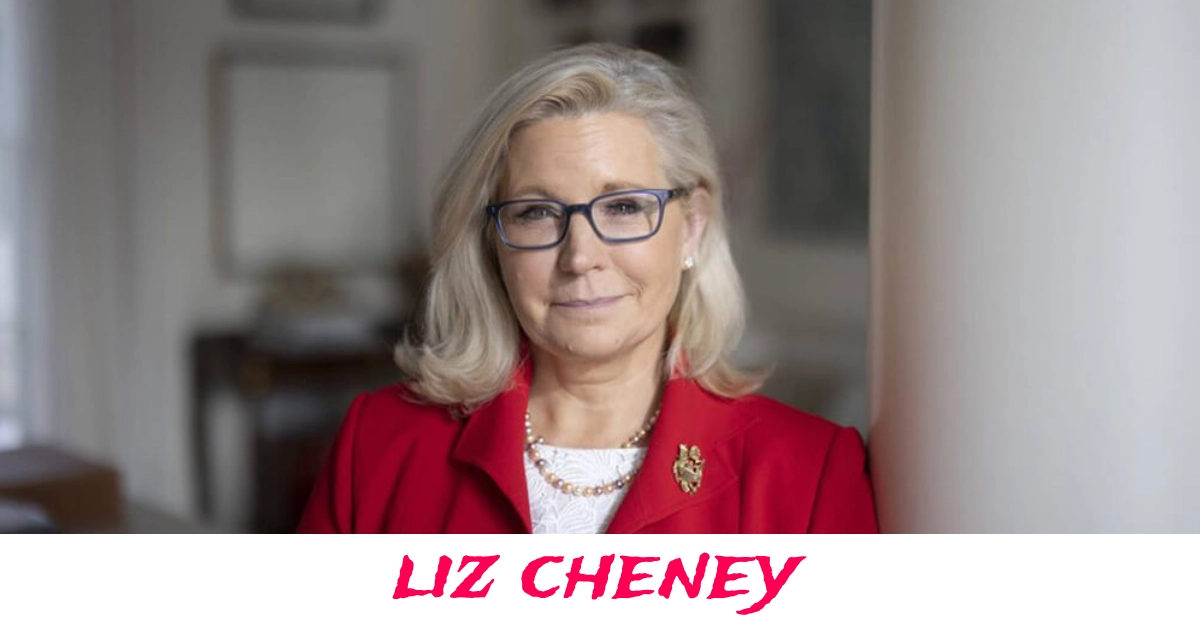
Liz Cheney is a former U.S. Representative who served Wyoming’s at-large congressional district from 2017 to 2023. She became one of the most prominent Republican critics of Donald Trump, ultimately losing her House seat in 2022 after her vocal opposition to the former president.
Featured Snippet Answer: Liz Cheney is a former Wyoming Republican Representative who served from 2017-2023, becoming nationally known for her opposition to Donald Trump and her role investigating the January 6th Capitol attack.
Born Elizabeth Lynne Cheney in 1966, she is the daughter of former Vice President Dick Cheney and author Lynne Cheney. Her political pedigree runs deep in Republican circles, making her eventual break with Trump particularly significant within the party.
Cheney earned her law degree from the University of Chicago Law School and worked in various government positions before running for Congress. Her early career included roles at the State Department and private practice, building credentials that would later support her foreign policy expertise in the House.
Political Career and Congressional Service
Cheney served as the U.S. representative for Wyoming’s at-large congressional district from 2017 to 2023. She quickly rose through Republican ranks, demonstrating the political acumen that runs in her family.
Her congressional tenure began with traditional conservative positions. She supported tax cuts, deregulation, and strong national defense policies. Wyoming voters initially embraced her representation, viewing her as a continuation of the state’s conservative tradition.
Cheney held a position in House Republican leadership from 2019 to 2021, serving as Republican Conference Chair. This role made her the third-ranking Republican in the House, responsible for messaging and party unity.
Her committee work focused on natural resources and foreign affairs, reflecting Wyoming’s economic interests and her foreign policy background. She consistently advocated for energy development and criticized what she viewed as federal overreach.
The political landscape shifted dramatically after the 2020 election. Cheney’s adherence to constitutional principles would soon put her at odds with her party’s direction.
January 6th Committee and Trump Opposition
Cheney’s reelection hopes were significantly impacted when she and nine other House Republicans voted to impeach former President Donald Trump following the January 6th insurrection.
She served as Vice Chair of the Select Committee to Investigate the January 6th Attack on the United States Capitol. This role transformed her from party insider to prominent Trump critic.
Her committee work revealed extensive evidence about the events leading to January 6th. Cheney consistently argued that Trump’s actions threatened American democracy. She refused to back down despite intense pressure from fellow Republicans.
The JFK Library recognized her stance, noting she “stood against the lawlessness and violence of January 6th, and voted to impeach President Trump”.
The political cost was immediate. Republican colleagues removed her from leadership positions. Wyoming Republicans grew increasingly hostile to her positions. Her principled stance came with significant personal and political consequences.
Fellow Republicans criticized her focus on January 6th, arguing she should move forward. Cheney maintained that accountability was essential for democracy’s preservation. This fundamental disagreement would define her remaining time in Congress.
Primary Election Loss and Political Aftermath
Cheney went from House Republican leadership to party outsider in the wake of the January 6th Capitol riot. Her 2022 primary campaign faced overwhelming opposition from Trump-endorsed candidates.
Wyoming Republicans overwhelmingly supported Trump, making Cheney’s position untenable. Polling consistently showed her trailing badly in the primary race. Her campaign focused on constitutional principles rather than changing positions.
The August 2022 primary result was decisive. Harriet Hageman, Trump’s endorsed candidate, won by a massive margin. Cheney’s concession speech emphasized her commitment to preventing Trump’s return to office.
Her loss reflected broader Republican Party dynamics. Trump’s influence remained strong in Wyoming, where he won by large margins in both 2016 and 2020. Voters prioritized party loyalty over Cheney’s constitutional arguments.
The defeat effectively ended her congressional career but launched a new phase of political activity. She immediately began positioning herself as a defender of democratic institutions.
Current Activities and 2025 Political Role
Cheney now leads “Our Great Task,” a political action committee described as “standing united in defense of our Constitution and committed to the cause of freedom”.
On September 4, 2024, Liz Cheney announced at Duke University that she is supporting Kamala Harris for president. This endorsement marked a significant political realignment for the lifelong Republican.
In 2025, she continues giving public lectures, recently appearing in Anchorage where she “called on the public to fiercely resist the Trump administration”.
Her speaking engagements command significant attention and fees. Universities and organizations seek her perspective on constitutional governance and political integrity. She remains a prominent voice in debates about democracy’s future.
At recent events, Cheney has argued that “we can’t survive a president who goes to war with the Constitution,” referring to concerns about Trump’s return to office.
Her political action committee focuses on supporting candidates who defend democratic institutions. This cross-party approach represents a significant evolution from her traditional Republican positions.
Awards and Recognition
Cheney received the JFK Library’s Profile in Courage Award for her role investigating January 6th and her principled stand against Trump. This prestigious recognition honored her willingness to sacrifice political career for constitutional principles.
The award citation specifically praised her commitment to democratic institutions over party loyalty. Previous recipients include politicians who took difficult stands on major issues throughout American history.
Academic institutions have recognized her contributions to civic discourse. Her speeches draw large audiences interested in hearing from someone who prioritized principles over political survival.
Media outlets across the political spectrum have acknowledged her consistency, even when disagreeing with her positions. This recognition spans traditional conservative publications and mainstream media organizations.
Her legacy continues evolving as historians assess the January 6th period. Early indications suggest she will be remembered as someone who chose constitutional duty over political convenience.
FAQs
What is Liz Cheney doing now in 2025?
She leads the “Our Great Task” PAC, gives paid speaking engagements, and continues opposing Trump’s political influence through various platforms and endorsements.
Why did Liz Cheney lose her Wyoming primary?
Her vocal opposition to Trump and focus on January 6th alienated Wyoming Republican voters who strongly supported the former president.
Is Liz Cheney still a Republican?
Yes, she maintains Republican registration but endorsed Democrat Kamala Harris in 2024, citing constitutional concerns about Trump.
What is Our Great Task PAC?
It’s Cheney’s political action committee focused on defending constitutional principles and supporting candidates who prioritize democratic institutions over party loyalty.
How is Liz Cheney related to Dick Cheney?
She is the daughter of former Vice President Dick Cheney, inheriting significant political connections and conservative credentials from her family background.
This article provides comprehensive coverage of Liz Cheney’s political career, from her rise in Republican leadership to her current role as a prominent Trump critic. Her journey illustrates the tensions within the modern Republican Party and the personal costs of principled political positions.