You dress for your body type by balancing your proportions visually. Add interest where you are narrower. Keep lines clean where you are fuller. Define or create a waist wherever possible. Shape labels are just shortcuts for those principles.
Forget hiding under oversized clothes entirely. Baggy fabric adds volume everywhere it hangs. Fitted, structured pieces almost always flatter more. This guide decodes the main shapes honestly.
Key Takeaways
- Balance, not camouflage, is the whole method.
- Pear shapes add interest above the waist.
- Apple shapes lengthen the torso with open layers.
- Hourglass shapes protect and define the waist.
- Tailoring turns nearly right into exactly right.
Work Out Your Shape First
Measure three points honestly with a tape. Bust, waist and hips, over light clothing. Write the numbers down without flinching. They are data, not judgements about you.
Compare the three numbers for your pattern. Standard body shape categories name the patterns you will find. Hips clearly widest suggests the pear pattern. Waist close to bust and hips suggests rectangle. A fuller middle with slimmer legs suggests apple.
Shoulders broader than hips signals inverted triangle. Bust and hips balanced with a defined waist means hourglass. Many bodies sit between two neighbouring shapes. Dress the dominant pattern and adjust from there.
This sits inside a bigger wardrobe system too. Our capsule wardrobe guide builds the core rail. Shape knowledge makes every capsule piece work harder. Start with measurements, then build the rail.
Dressing the Pear Shape

Pear shapes carry width at the hips. The goal is balance, not disguise. Draw the eye upward with deliberate detail. Necklaces, earrings and brighter tops all help.
Structured shoulders quietly transform pear proportions. A defined shoulder line widens the visual top. Padded or puff details serve this purpose. The silhouette reads balanced almost instantly afterwards.
Keep lower halves clean, dark and simple. A-line skirts skim hips without clinging tightly. Straight or bootcut trousers balance width gracefully. Avoid pockets and prints that spotlight hips.
Anyone learning how to dress for your body type starts here often. Pear is among the commonest shapes worldwide. Small shifts create surprisingly large visual changes. Your wardrobe probably needs editing, not replacing.
Necklines deserve special attention on pear shapes. Boat necks and wide scoop necks broaden the top visually. They counterbalance hip width without any padding at all. Off-shoulder styles achieve the same effect for evenings. Keep these necklines in your regular rotation deliberately.
Dressing the Apple Shape

Apple shapes carry fullness around the middle. Legs are often a genuine asset here. The strategy lengthens the torso visually. It also skims the waist rather than cinching it.
Open jackets and longline cardigans work beautifully. They create two vertical lines down the body. The eye reads length instead of width. V-necks extend the same effect upward.
Empire lines and wrap styles flatter apples reliably. Fabric should drape, never cling or squeeze. Show legs with well cut trousers or skirts. Confidence grows quickly with these simple changes.
Avoid belts sitting on the fullest point. Avoid boxy tops ending at the waist. Both choices shorten and widen the middle visually. Length and flow are the apple shape’s best friends. Necklaces that hang long extend the lengthening effect further.
Dressing the Hourglass Shape
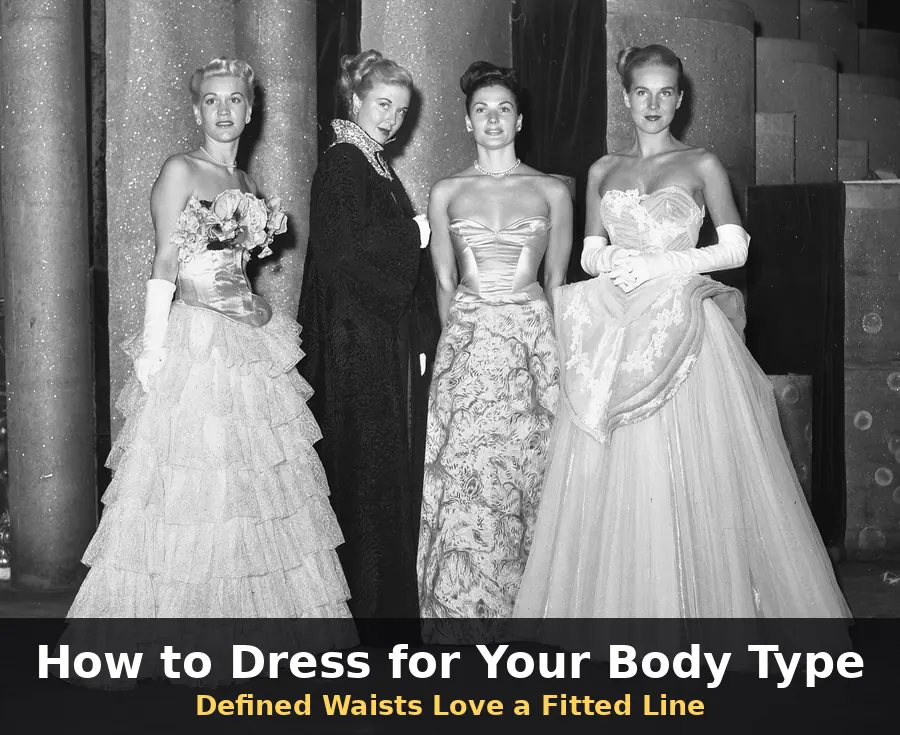
Hourglass shapes balance bust and hips naturally. A defined waist is the headline feature. Clothes should follow the body’s own lines. Shapeless garments waste this shape’s built-in balance.
Wrap dresses were practically invented for hourglasses. Belts worn at the natural waist work perfectly. Fitted knitwear and pencil silhouettes follow curves gracefully. Tailoring sharpens everything one level further.
Avoid hiding the waist under straight boxy cuts. Avoid excessive volume at bust and hips simultaneously. One area of detail at a time suffices. The waist stays visible in every outfit.
This shape anchors many classic styling images. Our work wardrobe guide applies similar principles professionally. Office dressing rewards the same waist definition. Shape logic transfers across every context.
Rectangle and Inverted Triangle Shapes
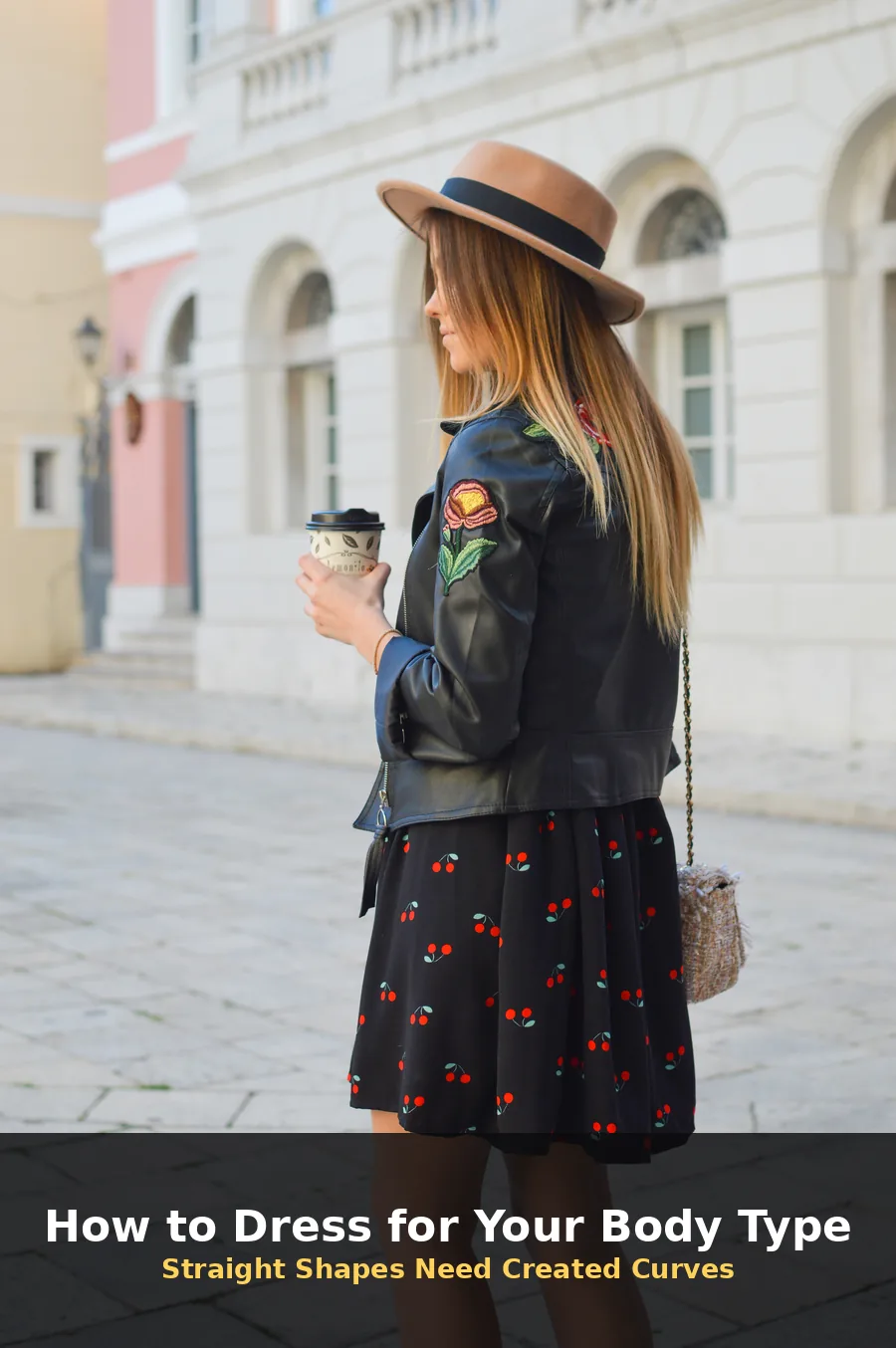
Rectangle shapes run fairly straight up and down. The styling task is creating curve illusion. Peplums, belts and layered textures all help. Colour blocking can manufacture a waist visually.
Ruffles and volume at bust or hips work. Drop-waist styles rarely flatter rectangles, though. Keep interest at the two ends instead. The middle then reads narrower by contrast.
Inverted triangles carry width at the shoulders. Balance means adding volume below instead. Full skirts and wide leg trousers help greatly. Darker, simpler tops calm the upper half.
Both shapes benefit from strategic asymmetry too. One-shoulder lines break up straight geometry nicely. Diagonal details lead the eye across, not down. Experiment in the fitting room, not from photos.
Understanding how to dress for your body type means experimenting honestly. Photograph outfits and compare them side by side. Your eye learns proportions faster from pictures. Delete what fails without sentimentality.
Rules That Flatter Every Shape
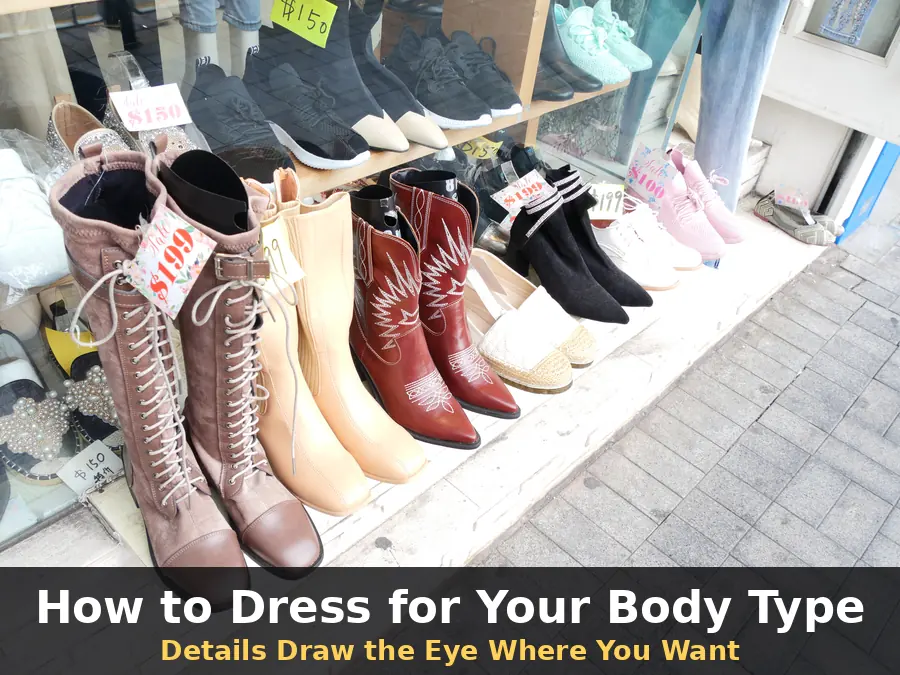
Fit beats fashion in every single case. Clothes should skim the body, not grip it. Nor should they drown it in spare fabric. A tailor can rescue almost any garment.
Vertical lines lengthen, horizontal lines widen. Place them where each effect helps you. This single principle explains most styling advice. It works regardless of size or shape entirely.
Monochrome outfits create one unbroken column visually. They remain the fastest slimming trick available. Add texture or jewellery to prevent flatness. Darker shades deepen the effect but are optional.
Fabric quality changes how everything hangs. Stiff fabrics hold structure and smooth lines. Flimsy fabrics reveal every bump beneath them. Choose weight and drape deliberately for each area.
Finally, stop buying clothes for a future body. Dress the measurements you took this morning instead. Clothes that fit today build confidence today. Aspirational sizing only manufactures daily disappointment in the mirror. Every shape looks better dressed as it is.
How to Dress for Your Body Type FAQs
How do I find my body type?
Measure your bust, waist and hips honestly. Compare which measurement is widest and narrowest. Hips widest suggests pear, waist fullest suggests apple. Balanced bust and hips with defined waist means hourglass. Similar numbers throughout suggest a rectangle shape. Many people sit between two types.
Do body type rules really work?
The underlying principles are basic visual proportion. Adding interest draws the eye, clean lines recede it. Those effects are real and easy to test. Treat categories as starting points, not laws. Your mirror and camera give the final verdict. Personal comfort always outranks any rule.
Can I wear trends if they break the rules?
Yes, trends are optional seasoning, not obligations. Adapt a trend’s colour or fabric instead of its cut. Or wear the cut and rebalance elsewhere deliberately. Styling is compensation, not obedience to charts. Confidence visibly improves almost any outfit anyway. Rules exist to serve you, not restrict you.
What if I am between two body types?
Dress for the more dominant pattern first. Then borrow one or two tricks from the other. Mixed shapes are the statistical norm everywhere. Fitting rooms reveal what actually works on you. Photograph candidate outfits before buying big pieces. Your dominant pattern may also shift over time.
Does body type dressing work for men too?
The same proportion principles apply to men. Broad shoulders, narrow waists and fuller middles respond similarly. Structured jackets and clean lines flatter most men. Fit and tailoring matter more than categories. Vertical lines lengthen shorter frames noticeably. Every shape benefits from properly fitted clothes.
How much should I spend on tailoring?
Basic alterations cost less than most new garments. Shortening, tapering and waist adjustments are inexpensive. They transform off-the-rail clothes into fitted ones. Budget tailoring into every significant purchase mentally. A cheap tailored piece outperforms expensive ill-fitting ones. Find one good tailor and stay loyal.
Dress the Body You Have Today
Knowing how to dress for your body type removes the mystery from dressing well. You stop blaming your body for bad cuts entirely. You start choosing lines that work with it. That shift changes shopping from stress to strategy.
Take your measurements before your next clothing purchase arrives. Edit one outfit this week using these balance principles carefully. Photograph the before and after honestly. Browse more styling guidance in our Fashion section anytime.