You build a work wardrobe from pieces that all mix together. Colours never clash, and everything fits your real week. Around fifteen well-chosen items cover most office jobs. The method matters more than the budget.
Most wardrobes fail on variety, not quantity. Rails bulge while weekday mornings still panic. The pieces simply refuse to combine. This guide fixes the system underneath.
Key Takeaways
- Plan around your real week, including video calls and commuting.
- Fifteen core pieces can cover a fortnight of outfits.
- Two base colours plus one accent keep everything compatible.
- Fit and fabric decide how professional pieces look.
- One in, one out keeps the system working long term.
Start With Your Actual Working Week
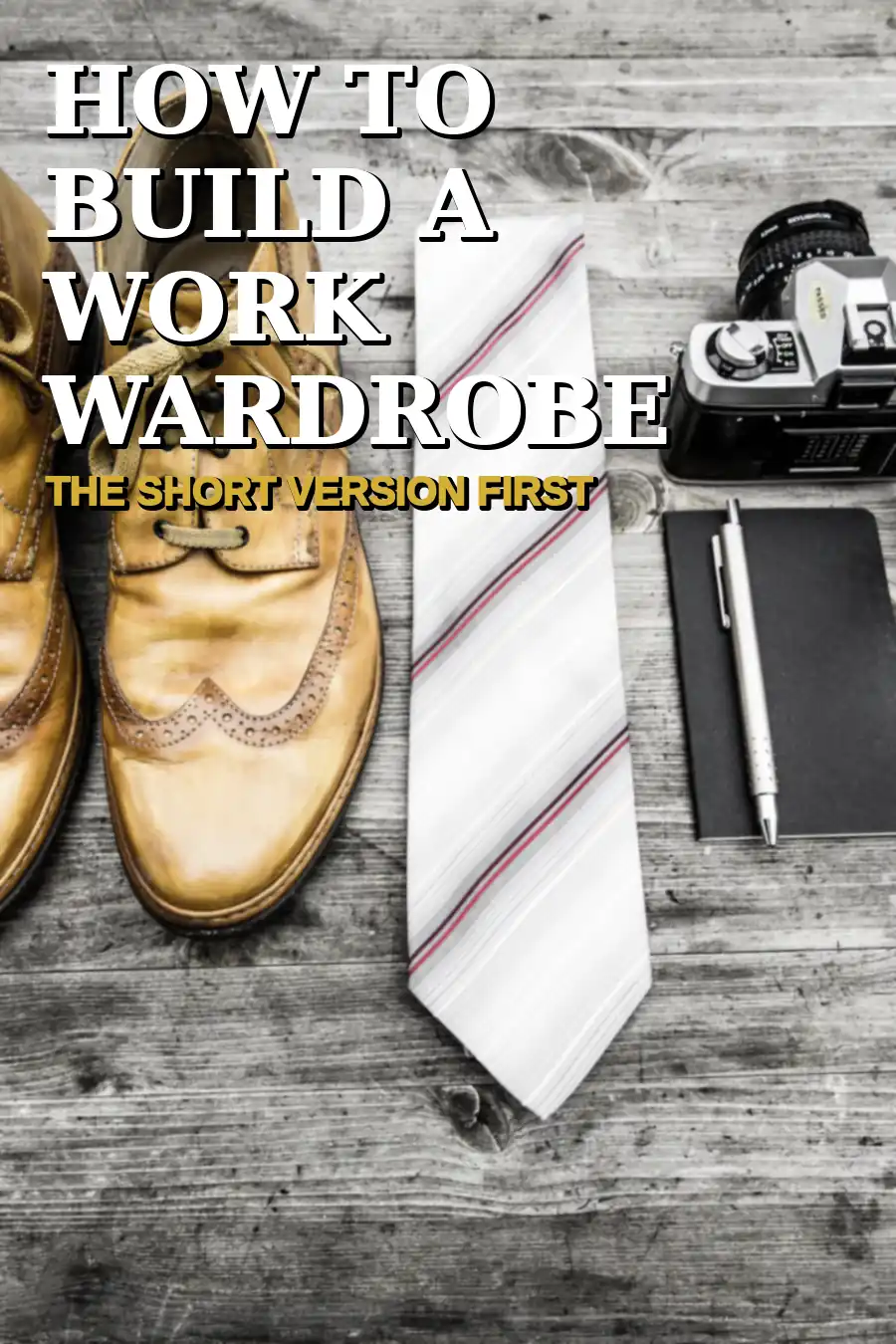
Count your office days honestly first. Hybrid workers need fewer formal pieces. Client-facing roles need more polish daily. Your diary, not a magazine, sets the target.

Note your dress code in plain terms. Some offices expect full tailoring daily. Others accept knitwear and clean trainers. Write down what your managers actually wear.
Weather and commuting shape the rest. A cycling commute favours crease-resistant fabrics. A long train ride rewards comfortable waistbands. Build for the life you repeat weekly.
This is a capsule approach aimed at work. Our full guide on how to build a capsule wardrobe covers the general method. Here we tune it for offices specifically.
Formal and Smart Casual Versions
Guides on how to build a work wardrobe often assume a suit daily. Formal offices do still exist in law and finance. There, two suits rotate with a spare trouser pair. Shirts carry the variety instead of jackets.

Smart casual offices allow a looser build. Chinos replace one tailored trouser happily. Knitted polos and unstructured blazers soften the silhouette. The colour and mixing rules stay identical. Only the formality dial moves, not the system.
The Core Pieces That Carry the Week
A working set of about fifteen pieces suffices. Two pairs of trousers or skirts anchor it. One tailored blazer lifts everything instantly. Five tops rotate across the working week.

Adapt the list to your office and body:
- Two bottoms in your base colours
- One blazer or structured jacket
- Five shirts, blouses or fine knits
- One smart dress or a second suit option
- Two pairs of work shoes, rotated daily
- One weatherproof coat that fits over tailoring
Anyone learning how to build a work wardrobe should tattoo this rule mentally. Every piece must pair with at least three others. That rule is the engine of the whole system. An item that matches only one partner fails. Leave it in the shop, however lovely.
Quality beats quantity at this scale. Fifteen pieces worn constantly wear out visibly. Better fabric survives the rotation longer. Cost per wear, not price, is the honest measure.
Colour Rules That Prevent Clashes
Choose two base colours for the foundation. Navy and charcoal suit most UK offices. Black and grey work in more formal settings. Brown and cream soften creative workplaces.
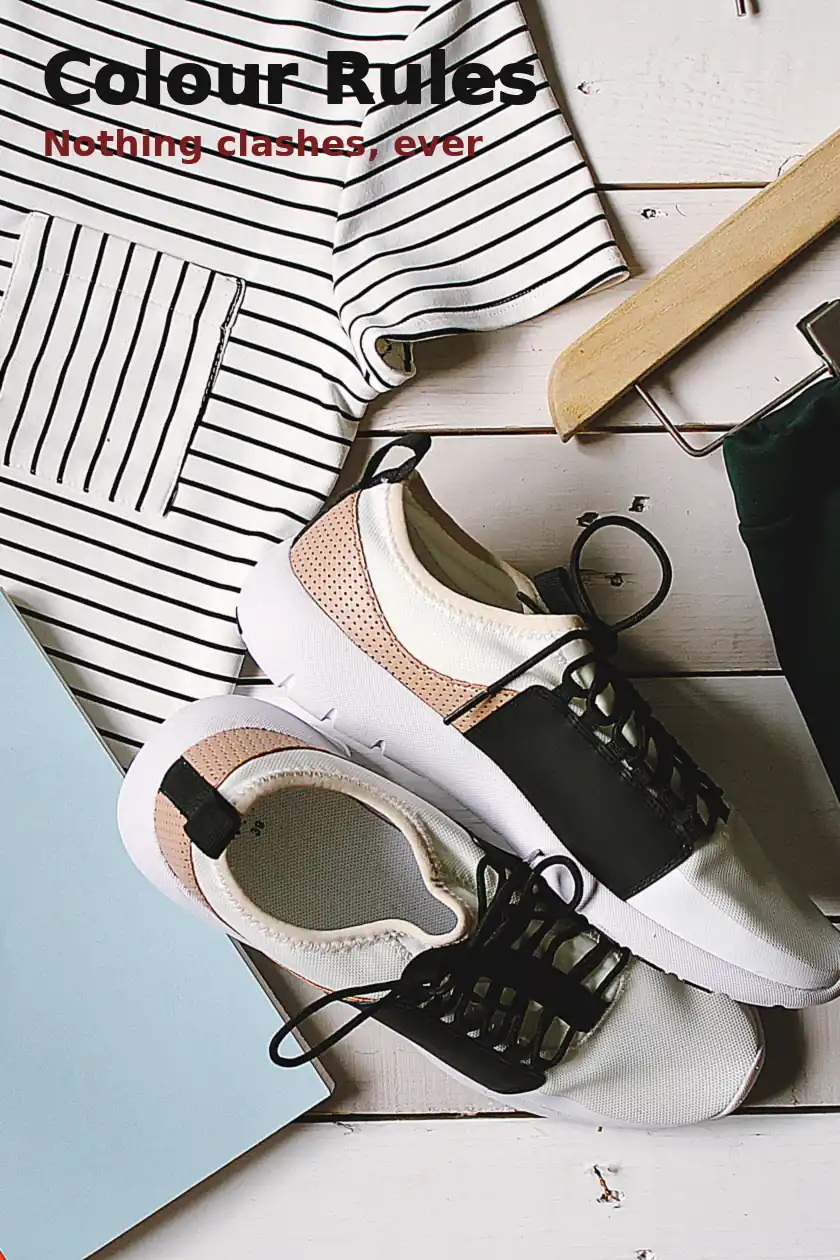
Add one accent colour for personality. Burgundy, teal or mustard all pair widely. Keep the accent in tops and accessories. Bases stay boring on purpose, accents do the talking.
Patterns need discipline at small scale. One stripe and one check usually suffice. Everything else stays plain for maximum mixing. Photograph your rail to check the harmony.
Learning how to build a work wardrobe is mostly this. Colours first, pieces second, trends last. The order protects both mornings and money.
A Two Week Outfit Plan
With fifteen pieces, plan ten work outfits. Write the combinations down once, somewhere visible. Monday’s outfit should never need morning invention. Rotation removes the daily decision almost entirely.
A simple pattern many workers use:
- Week one leans on the navy base pieces
- Week two leans on the charcoal set
- The accent colour moves between both weeks
- Friday relaxes one notch within the code
Photograph outfits that worked particularly well. Your phone album becomes a personal lookbook. On rushed mornings, copy a proven combination. Nobody at work tracks your repeats anyway.
Clean and press in one weekly batch. A Sunday hour protects five calm weekday mornings every single week. Hang everything ready the night before. The wardrobe works when the routine does.
Fit, Fabric and the Details
Fit decides how expensive clothing looks. Trousers should break cleanly at the shoe. Sleeves should show a sliver of shirt cuff. A local tailor adjusts basics cheaply and quickly.
Fabric decides how pieces survive the week. Wool blends resist creasing through long days. Cotton shirts need ironing discipline to compete. Knitwear bridges formal and casual dress codes elegantly.
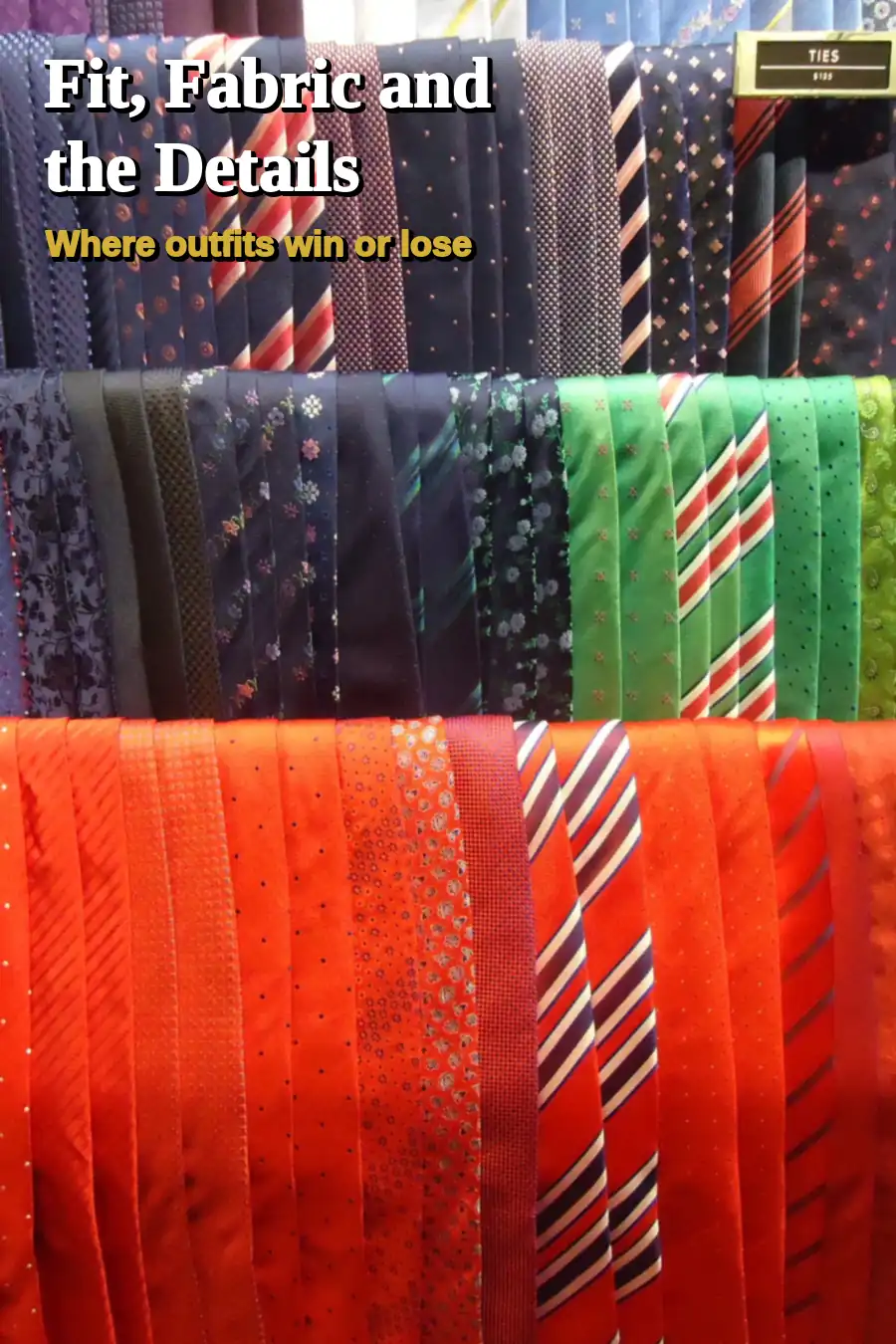
Details refresh the same foundations daily. Ties, scarves, watches and belts change the read. Our black tie guide shows how details formalise an outfit. Work dressing uses the same principle, dialled down.
Shoes deserve a bigger share of budget. Two pairs rotated daily last far longer. Keep them clean and heeled at all times. Scruffy shoes quietly undo good tailoring.
Grooming belongs in the same detail budget. A decent haircut refreshes every outfit you own. Ironed collars and clean nails register subconsciously in meetings. None of this costs much money. All of it multiplies the wardrobe you already built.
Common Mistakes That Break the System
Buying sale pieces outside the colour plan ranks first. A bargain that matches nothing is expensive. The rail grows while outfits stay scarce. Discipline at the till protects the system.
Keeping unworn sizes for someday comes second. Wardrobes should serve the body you have. Tailoring adjusts most pieces within reason. Donate what no longer fits your life.
Forgetting laundry reality ruins many plans. Five tops only work with weekly washing. Count your real laundry rhythm before buying. Add a sixth top if wash day slips often.
How to Build a Work Wardrobe FAQs
How many pieces do I need for work?
Around fifteen core pieces cover most office weeks. That count includes bottoms, tops, one jacket and shoes. Two weeks of outfits come from careful mixing. Hybrid workers often manage with slightly fewer. Client-facing roles may add one formal option. Start with fifteen and adjust from experience.

How much should a work wardrobe cost?
Costs vary too widely for one figure. Building gradually costs less than one spree. Spend most on shoes, tailoring and the coat. Save on basic tops bought in base colours. Cost per wear matters more than ticket price. A blazer worn weekly earns its money back.
What colours are safest for an office wardrobe?
Navy and charcoal form the safest foundation. They pair with most skin tones and settings. Black suits formal offices but can look harsh. Add one accent colour for tops and details. Keep patterns to one stripe and one check. Everything else stays plain for easy mixing.
Can I build a work wardrobe on a budget?
Yes, the system itself saves money over time. Buy the anchor pieces first, then fill gaps monthly. Charity shops in wealthy areas stock quality tailoring. Sales are safe once your colour plan exists. Never buy outside the plan, even at discounts. Slow building beats a cheap full rail.
How do I dress for video calls from home?
The camera sees your top half only. Keep two call-ready tops near your desk. A structured knit or shirt reads professional instantly. Good light matters more than extra clothing. Keep the blazer nearby for important meetings. Your full outfit can stay comfortable below frame.
How often should I refresh the wardrobe?
Review it twice a year with the seasons. Replace worn anchors before they fail publicly. The one in, one out rule maintains balance. Trends enter only through small accessories. Your core should survive several years of work. Photograph the rail to spot gaps honestly.
Fifteen Pieces, Zero Morning Panic
The system rewards a single thoughtful weekend. Audit your week, fix the colours, buy for combinations. After that, mornings run on rails. Getting dressed stops being a daily negotiation.

Knowing how to build a work wardrobe also means knowing it flexes. Start smaller if fifteen feels daunting. Five pieces that all combine beat twenty that clash. The plan grows as your confidence does. Seasonal reviews keep it honest without drama. Within a year, the rail feels deliberately, quietly yours. Browse more guides in our Fashion section.