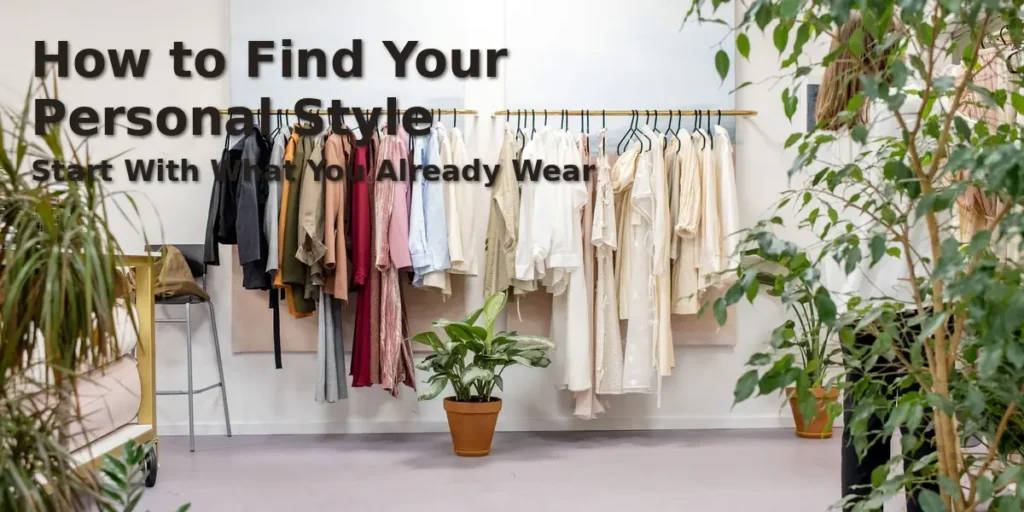
Learning how to find your personal style starts with clothes you already own. Your most worn outfits already show your taste clearly. They reveal your favourite colours, fabrics and shapes. This guide turns those clues into a repeatable style.
Most people skip this step and shop first. They buy pieces that suit someone else’s life. The clothes hang unworn while mornings stay stressful. That habit sits at the heart of how to find your personal style.
Key Takeaways
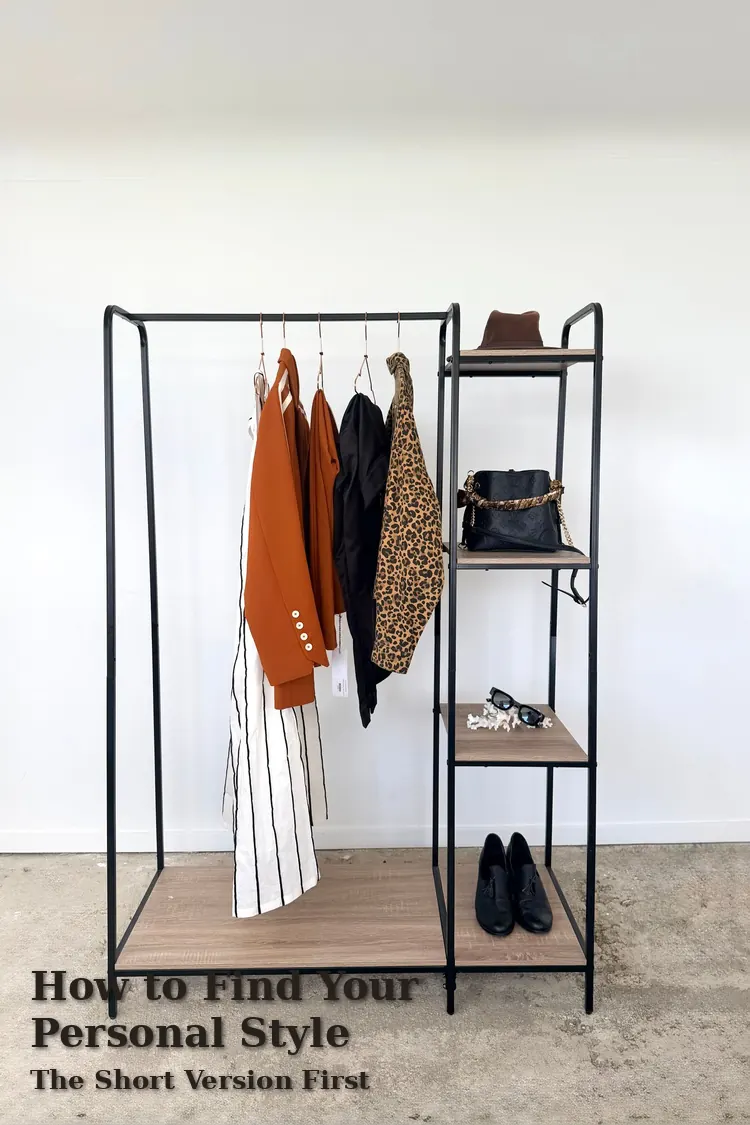
- This guide shows how to find your personal style step by step.
- Your most worn clothes reveal your real taste.
- Three style words turn taste into a filter.
- A small colour palette makes outfits mix easily.
- Your wardrobe should match your real week.
- One signature piece makes simple outfits recognisably yours.
- A shopping filter stops buys you never wear.
What Personal Style Actually Means
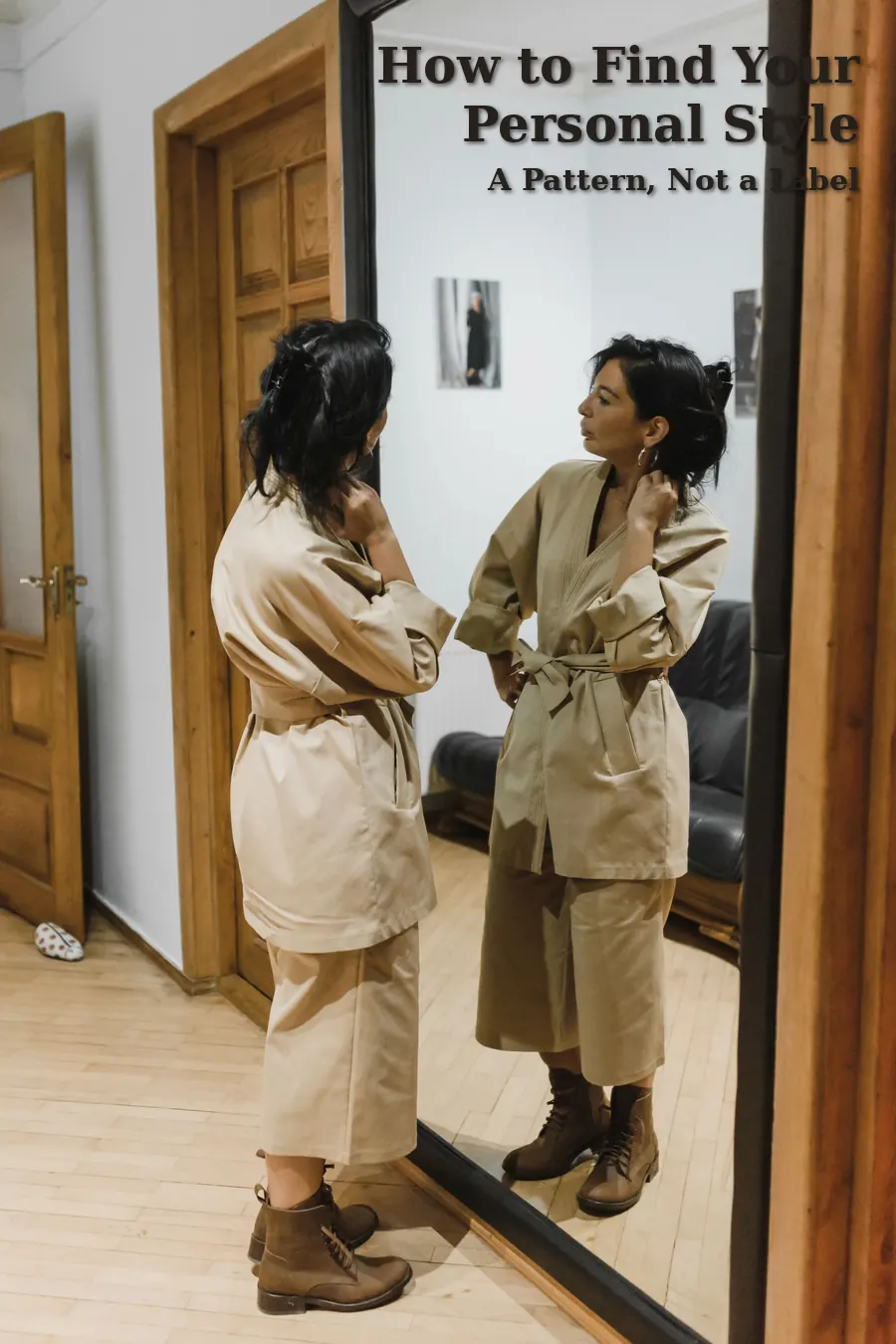
Personal style is the pattern in what you choose to wear. It is not a label, a price tag or a trend. Friends spot it when an outfit looks unmistakably like you. It stays recognisable even as individual pieces change.
Fashion changes every season by design. Trends burn bright, then fade within months. Personal style moves slowly because it follows your life. That is why it saves money and decision time.
| Term | What it really means |
|---|---|
| Fashion | The clothes shops sell each season |
| Trend | A look everyone wears for a short spell |
| Personal style | The pattern you repeat because it feels like you |
Fit preference belongs inside this pattern too. Some people feel right in tailored, structured shapes. Others relax in soft, loose layers. Wearing the wrong fit makes good clothes feel borrowed.
Step One: Audit the Clothes You Already Wear
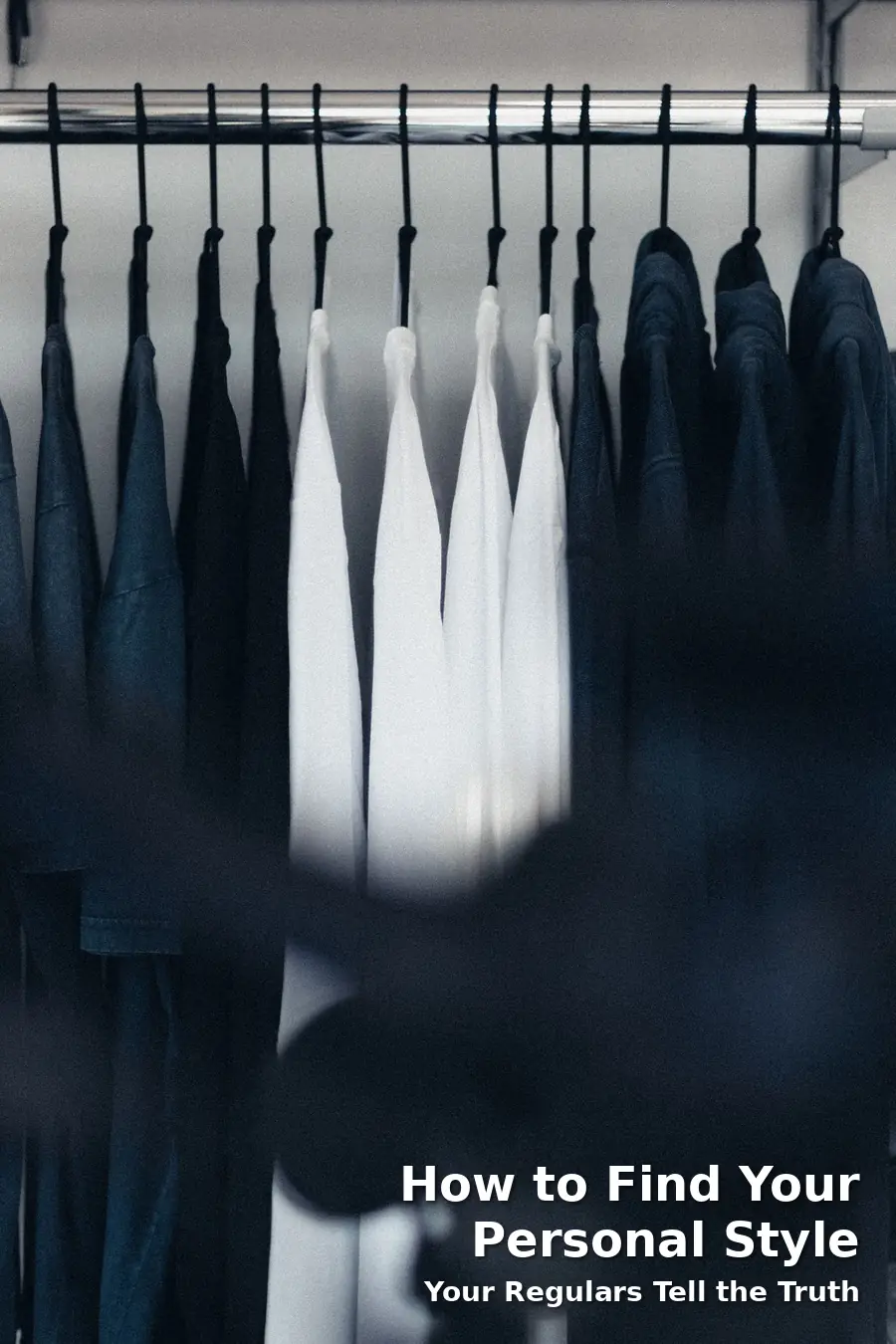
Start with evidence, not with shopping. Your wardrobe already holds years of honest data. The pieces you wear weekly tell the truth. The unworn pieces tell a different, useful story.
- Pull out everything you wore last month.
- Lay your weekly regulars in one pile.
- Note their shared colours, shapes and fabrics.
- List why the unworn pieces failed you.
Patterns usually appear within ten minutes. Perhaps everything soft wins over anything stiff. Perhaps dark neutrals outnumber brights five to one. Write the pattern down before moving on.
Step Two: Choose Three Style Words
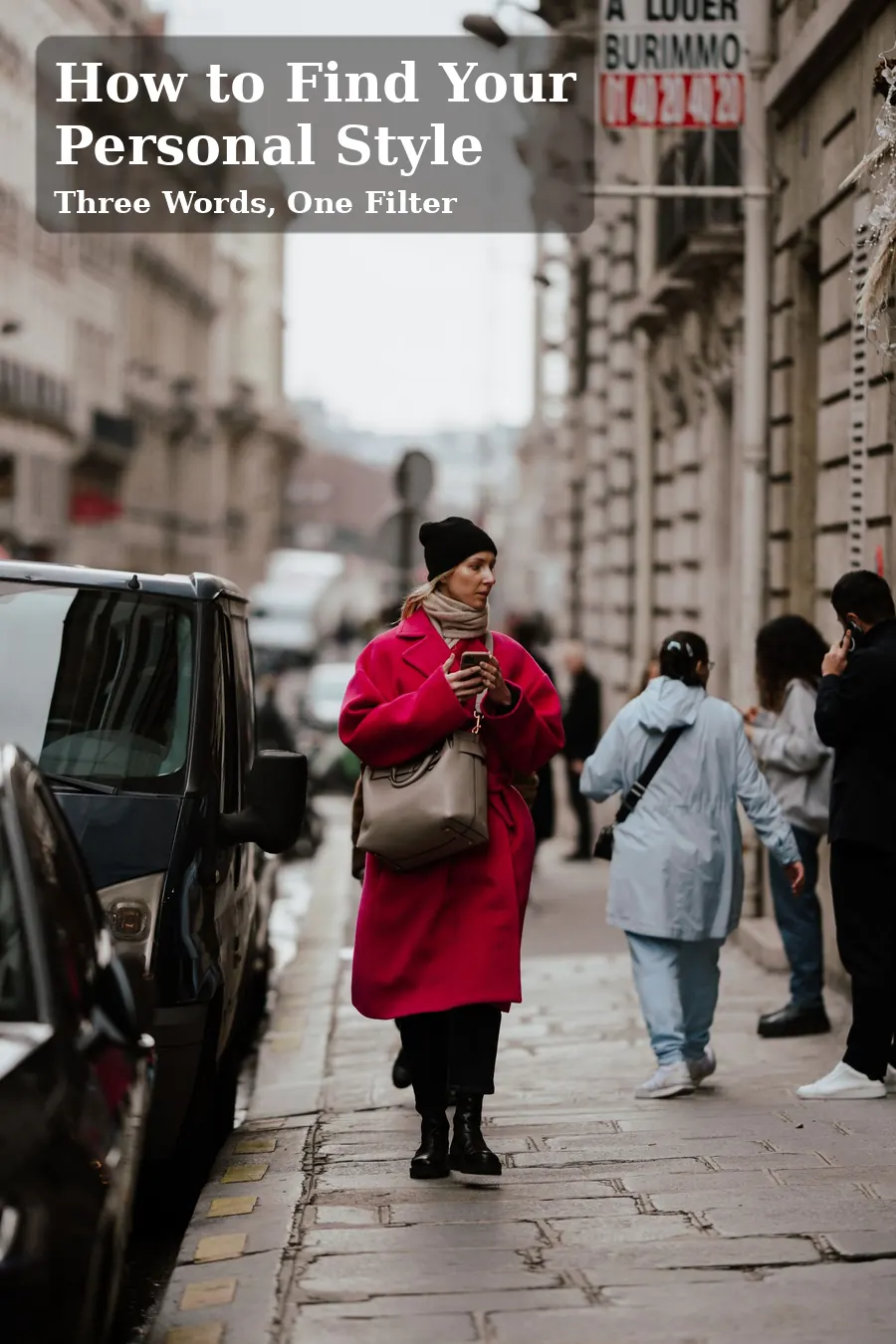
Three style words turn your audit into a filter. Stylist Allison Bornstein built her method on exactly this idea. Her own words are classic, elegant and seventies. Yours should describe your clothes, not a celebrity’s.
Each word has a different job in her method. The first word is practical and describes your regulars. The second is aspirational and points forward. The third is emotional and names a feeling.
- Practical words: relaxed, tailored, soft, sporty
- Aspirational words: polished, bold, playful, sharp
- Emotional words: confident, calm, powerful, free
Bornstein explains the method herself in her interview on finding your three words. Test each word against real outfits before keeping it. A good word rules some pieces out. Words that allow everything help with nothing.
Step Three: Build a Mood Board From Your Saves
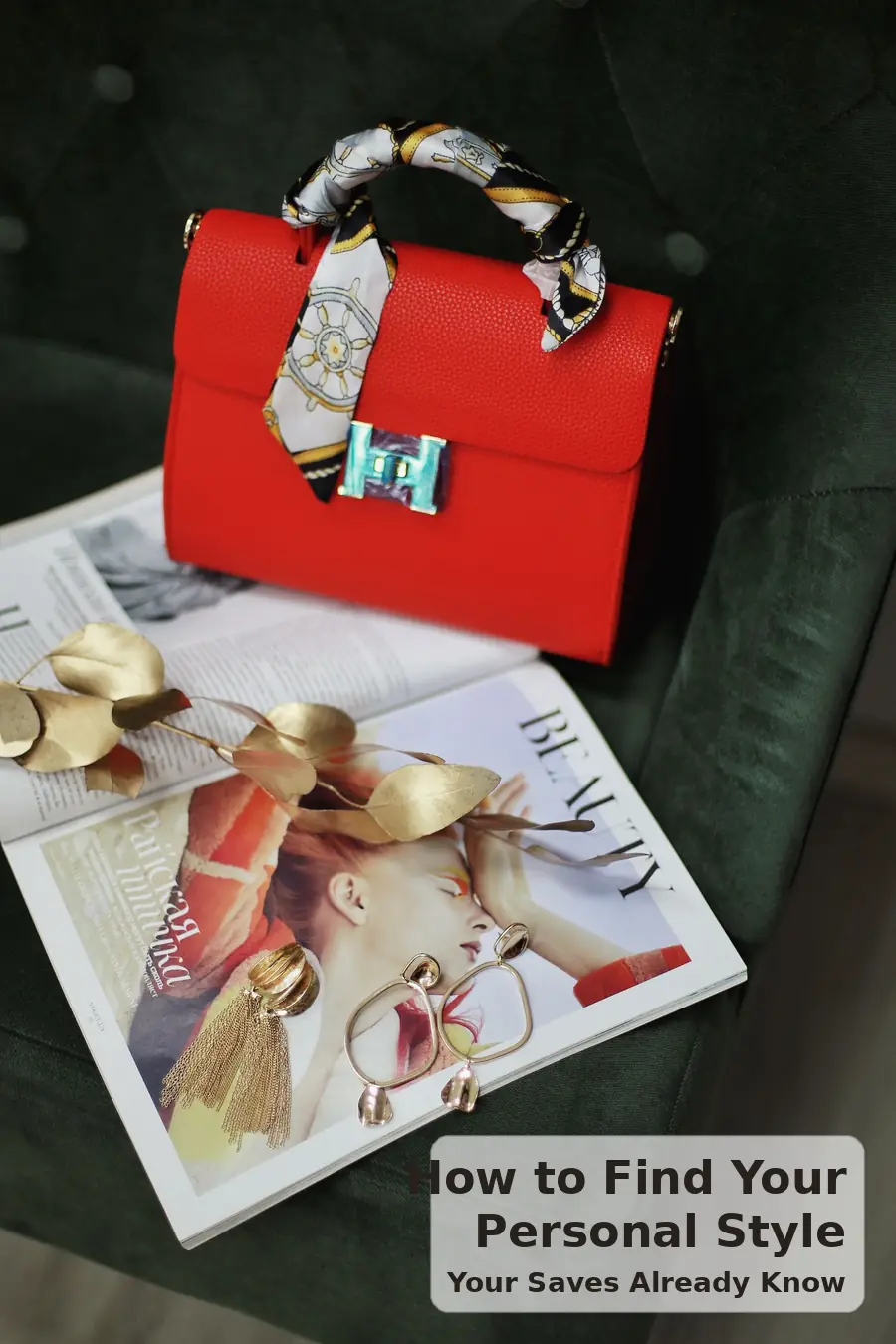
Your saved photos already form a rough mood board. Open your Pinterest boards and screenshot folders. Look at the whole set together, not single images. Recurring colours and shapes show your direction.
Compare the board honestly with your wardrobe. A gap between them explains many bad buys. You may save minimal looks yet buy loud prints. Your next purchase should narrow that gap.
- Save only outfits you could wear this week.
- Remove saves that suit a different lifestyle.
- Circle the item repeated across most saves.
Photograph your own outfits for one week. A quick mirror photo each morning takes seconds. Photos show proportions more honestly than mirrors do. By Sunday, your repeated favourites will be obvious.
Step Four: Settle Your Colour Palette
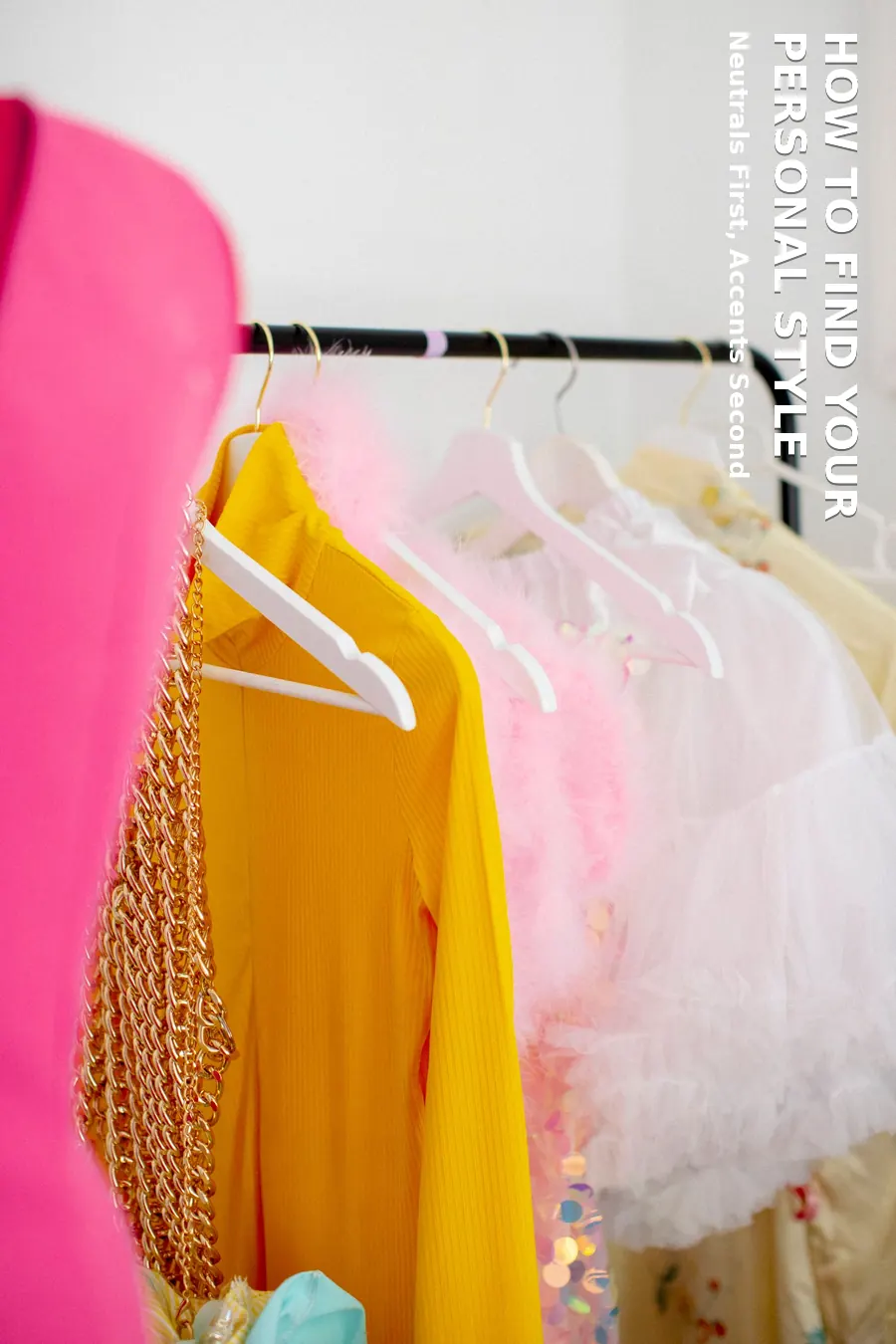
A settled palette makes separate clothes behave like outfits. Most coherent wardrobes rest on three or four neutrals. Two or three accent colours add the personality. Prints work when they borrow those same colours.
Read your palette from the audit pile first. Your regulars already repeat certain shades for a reason. Warm wardrobes lean towards cream, camel and rust. Cool wardrobes lean towards white, navy and grey.
- Neutrals: choose three or four base shades.
- Accents: choose two or three brighter shades.
- Metal: stick mostly to one jewellery metal.
Step Five: Match Your Wardrobe to Your Real Week
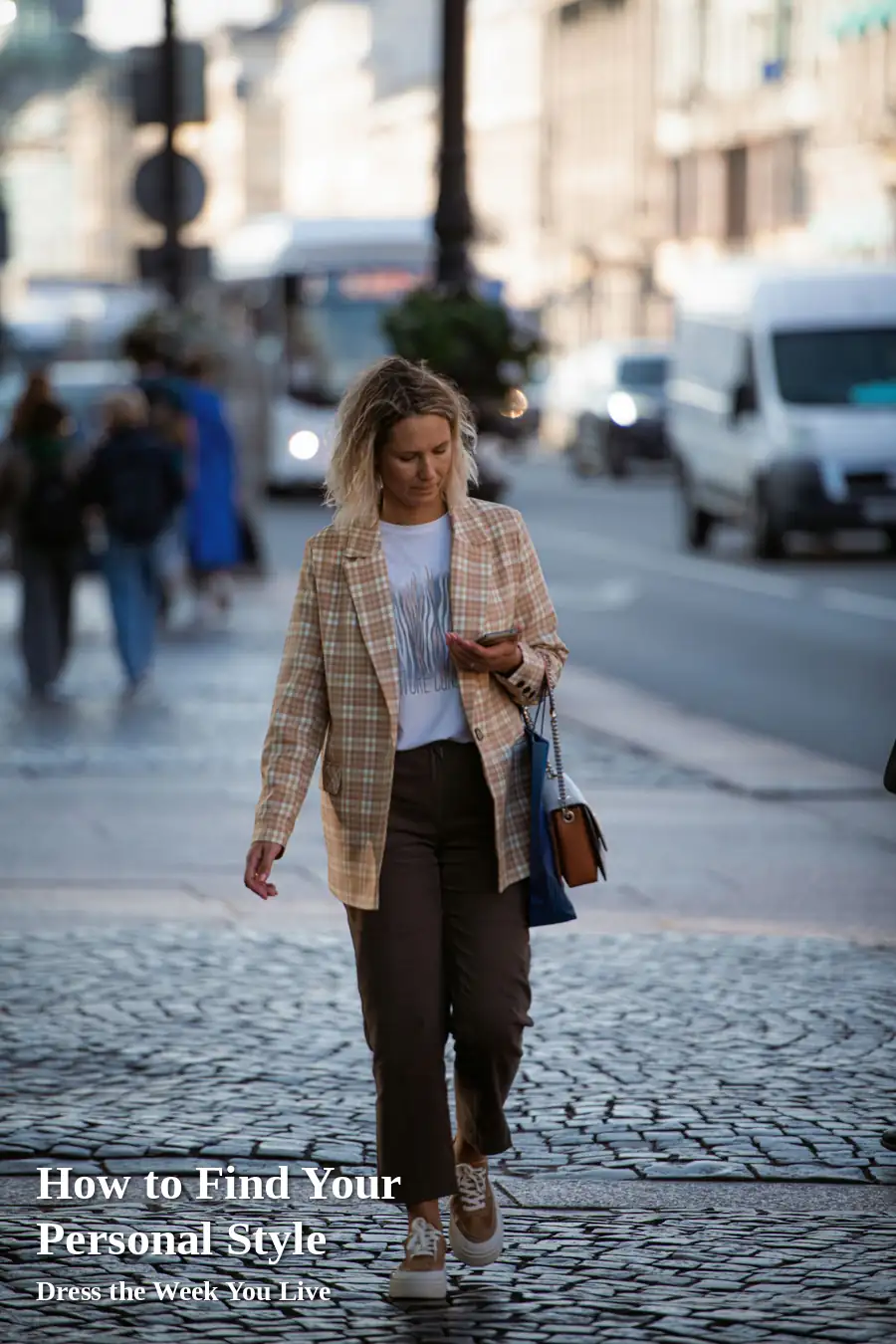
Style fails when it ignores your actual week. Count how your days really split up. Office days, home days and social days differ. Your rail should mirror those proportions honestly.
A wardrobe stuffed with occasion dresses suits nobody weekdays. Our guide to building a work wardrobe covers office dressing in depth. Apply the same honest maths to weekends. Buy for the life you repeat weekly.
- Three office days, two home days, two free days.
- Mostly home days with one smart day weekly.
- School runs, shifts and weekends spent outdoors.
Step Six: Pick One or Two Signature Pieces
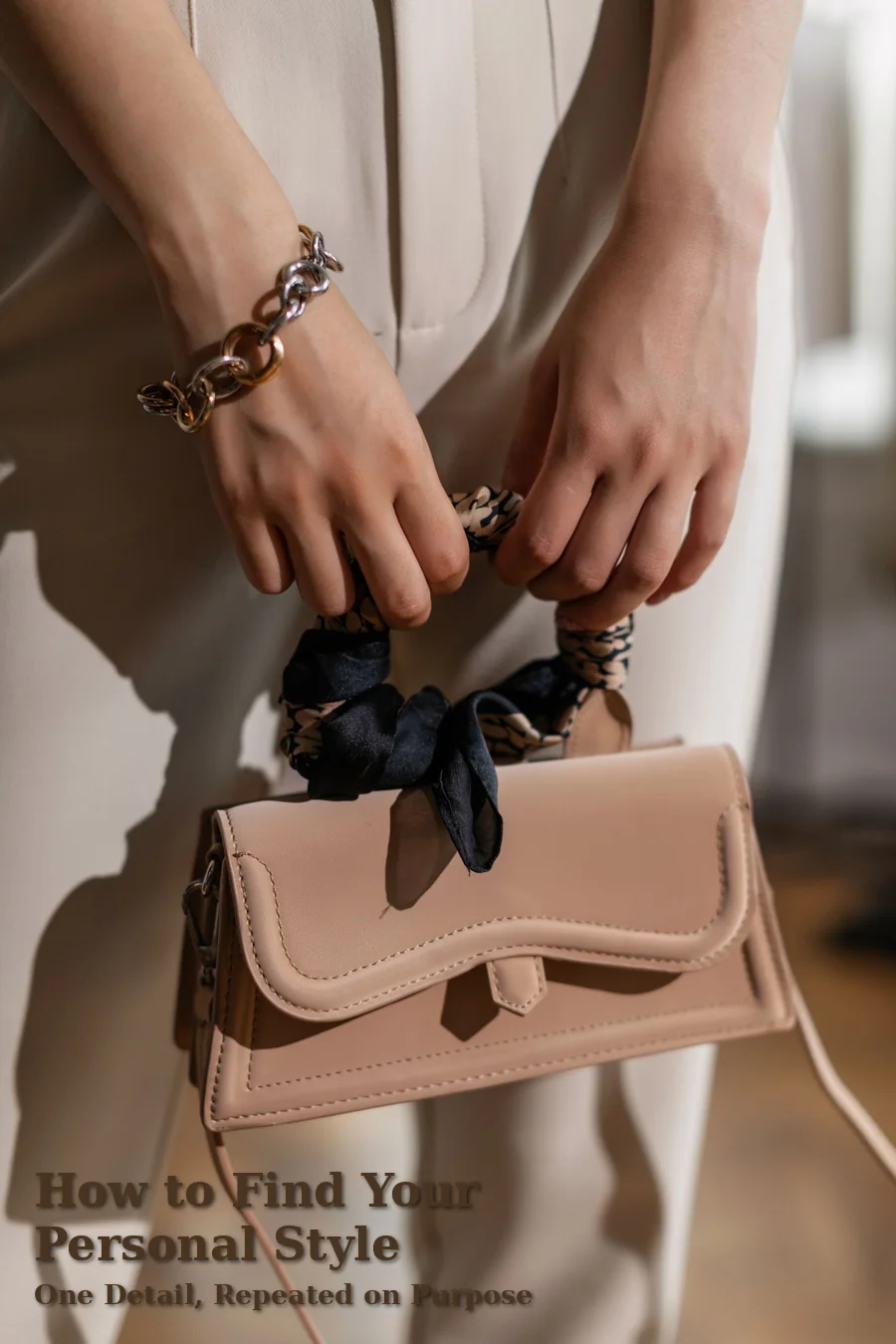
A signature piece makes plain outfits recognisably yours. It might be a red coat or vintage watch. It could be striped tops or silver rings. One repeated detail ties varied outfits together.
Choose yours from the audit, not from envy. Your regulars probably contain a repeated detail already. Wear it deliberately rather than accidentally. Signatures grow stronger every time you repeat them.
Test a possible signature before committing fully. Wear the detail daily for two weeks. Notice whether strangers start describing you by it. If it feels forced by day ten, choose differently.
Step Seven: Shop With a Filter, Not a Feeling
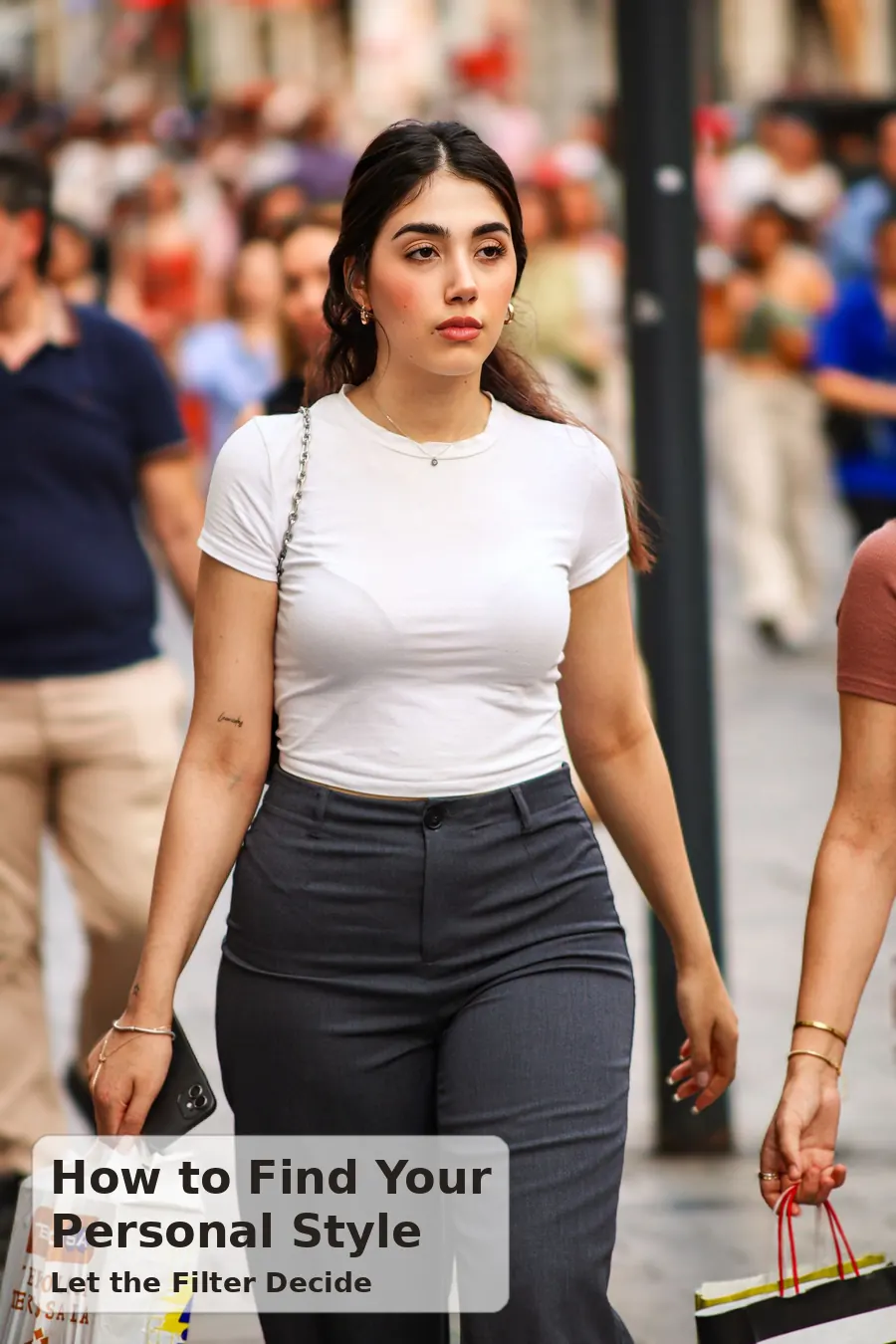
Shopping is where learning how to find your personal style gets tested. Shops push novelty, discounts and other people’s taste. Your three words and palette form a simple filter. Anything failing both tests stays on the rail.
This filter pairs naturally with a smaller wardrobe. Our capsule wardrobe guide shows how fewer pieces combine better. Filtering first makes that system far easier. You stop buying duplicates of unworn mistakes.
- Does it match at least two style words?
- Does it suit three outfits I own?
- Would I wear it next week, unchanged?
- Am I buying the item or the lifestyle?
Mistakes That Keep Your Style Hidden
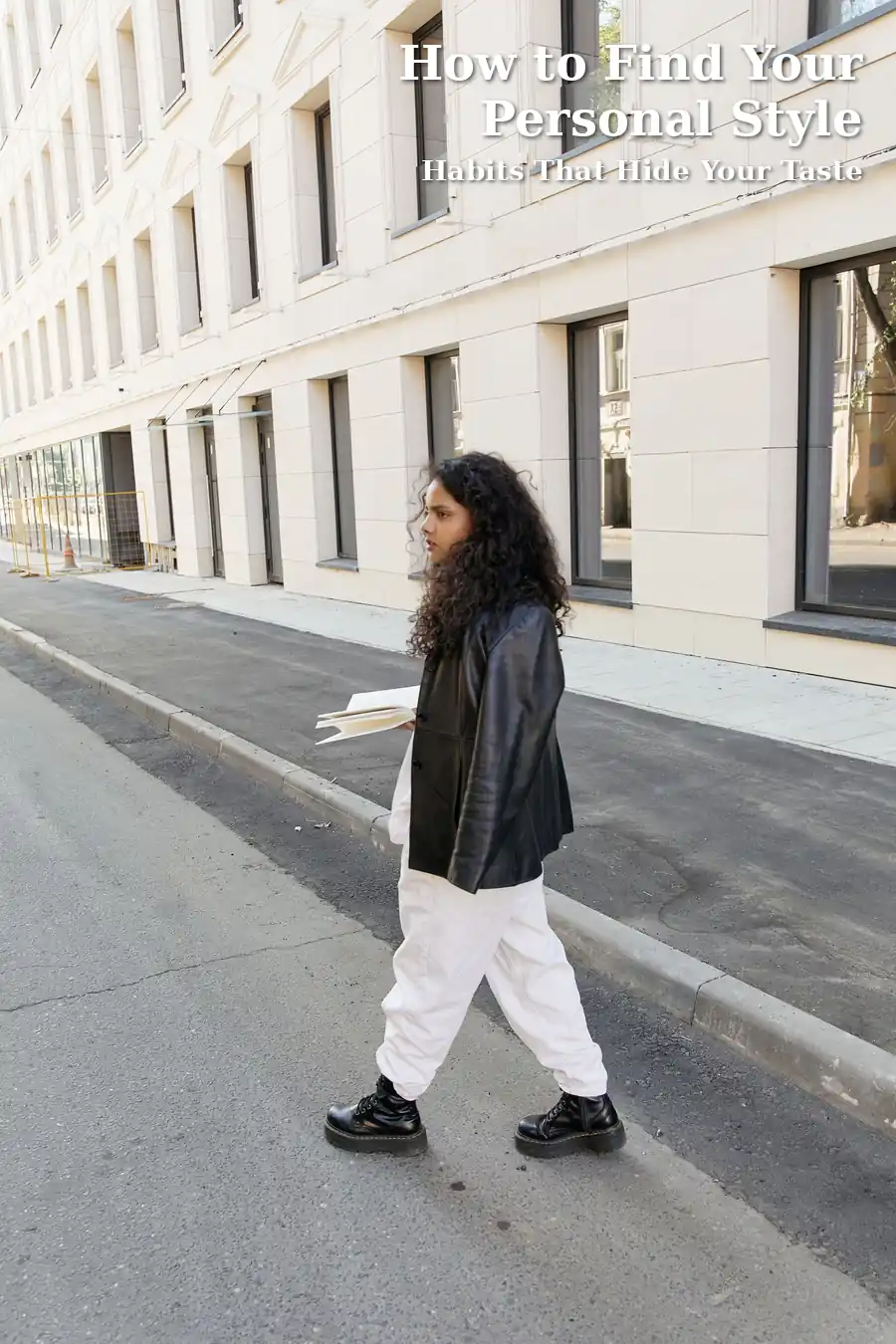
Most style confusion comes from repeat mistakes, not taste. Copying whole outfits from strangers tops the list. Buying for a fantasy life comes second. Both habits fill rails with unworn clothes.
- Chasing every trend the week it lands.
- Buying single pieces that match nothing owned.
- Keeping clothes for a smaller, former self.
- Judging outfits only by mirror selfies.
Spot your own pattern in that list. Fix the biggest one before buying anything else. One fixed habit changes more than ten purchases. Your audit notes already point at it.
How to Find Your Personal Style FAQs
How long does it take to find your personal style?
Most people see clear patterns within one wardrobe audit. Naming three words takes an honest hour at most. The style then sharpens over the following months of dressing. Expect a working version quickly, then steady small refinements as seasons and routines change.
Can I find my personal style without buying anything?
Yes, and starting with zero spending works better. The audit, mood board and style words cost nothing. Most wardrobes already hide several strong outfits. Wear those combinations first and note the compliments and comfort. Buy later, only to fill proven gaps.
What if I like several different styles at once?
Mixed taste is normal and often becomes the style itself. Your three words can hold tension happily, like relaxed, tailored and playful. The palette keeps mixed pieces looking deliberate. Trouble starts only when every purchase pulls a different direction with nothing shared.
Does personal style change as you get older?
Yes, healthy style changes as your life changes. Jobs, cities, bodies and budgets all shift over time. Your words may soften or sharpen across decades. Revisit them yearly and edit gently. The pattern evolves, but it stays recognisably yours throughout.
How do I stop copying influencers and celebrities?
Copy the principle, never the whole outfit. Ask what exactly attracts you in their look. It might be one colour, one shape or one attitude. Test that single element with your own clothes. Your version will suit your life better.
Your Style Was Never Missing, Just Unnamed
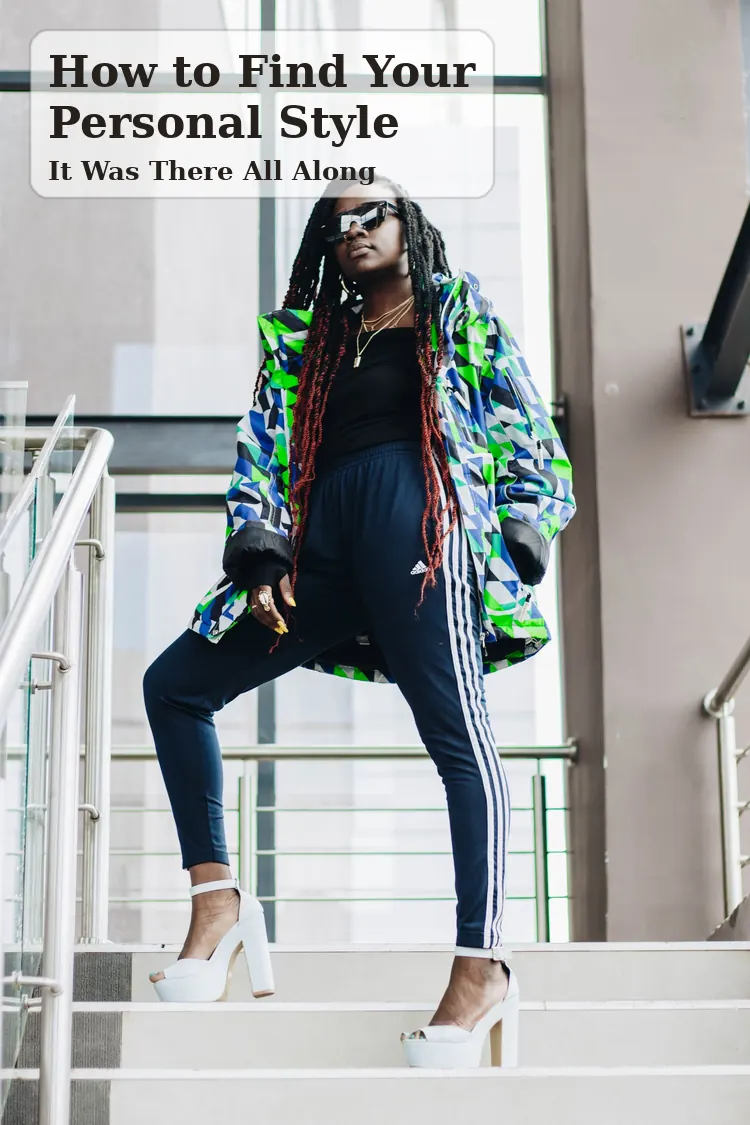
Nothing in this process requires a new wardrobe. You audited, named, filtered and repeated what works. Those four habits answer how to find your personal style. Keep the words somewhere visible this month.
Browse our Fashion guides for your next cluster step. Save this page before your next clear-out. Then open your wardrobe and start with pile one.