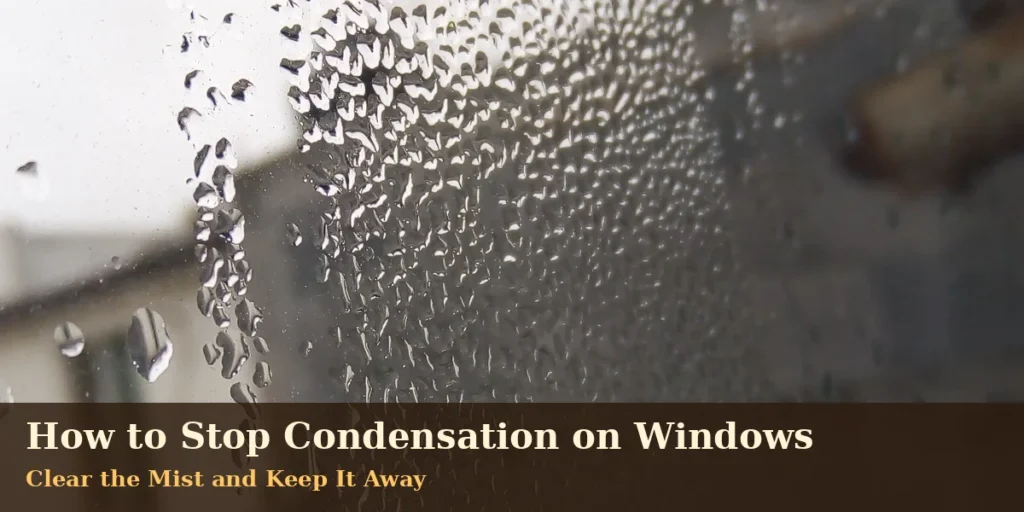
You stop condensation on windows by cutting the moisture your home makes. Venting the moist air you cannot avoid comes next. Warm, even heating then keeps the glass above its dew point. Wiping the glass dry each morning protects sills and frames.
That order matches the Energy Saving Trust damp guide. It starts with less moisture, then better ventilation. Our budget home improvement guide collects more low cost winter jobs.
This guide explains how to stop condensation on windows in fix order. It starts with free habits and ends with warning signs. Most homes need habits more than products.
Key Takeaways
- How to stop condensation on windows takes four habits.
- Condensation forms when warm, moist air meets cold glass.
- One household can make 100 litres of moisture weekly.
- Run extractor fans for 15 minutes after showers.
- Keep trickle vents open and rooms evenly warm.
- Mist between the panes means a failed sealed unit.
Why Windows Mist Up in the First Place
Air indoors always carries invisible water vapour. Warm air holds more vapour than cold air. The glass is usually the coldest surface indoors.
Air touching it cools and reaches its dew point. The vapour then turns back into liquid droplets. Those droplets are the mist you wipe away.
Cooking, showers and breathing all feed that vapour. The Energy Saving Trust counts the weekly total. A typical household produces up to 100 litres. Almost all of it comes from daily routines.
- Bedroom windows after a night with doors shut
- Kitchen glass while pans boil without lids
- Bathroom windows after long, hot showers
- Single glazed panes on cold, frosty mornings
- Spare rooms where the heating stays off
Inside, Outside or Between the Panes?
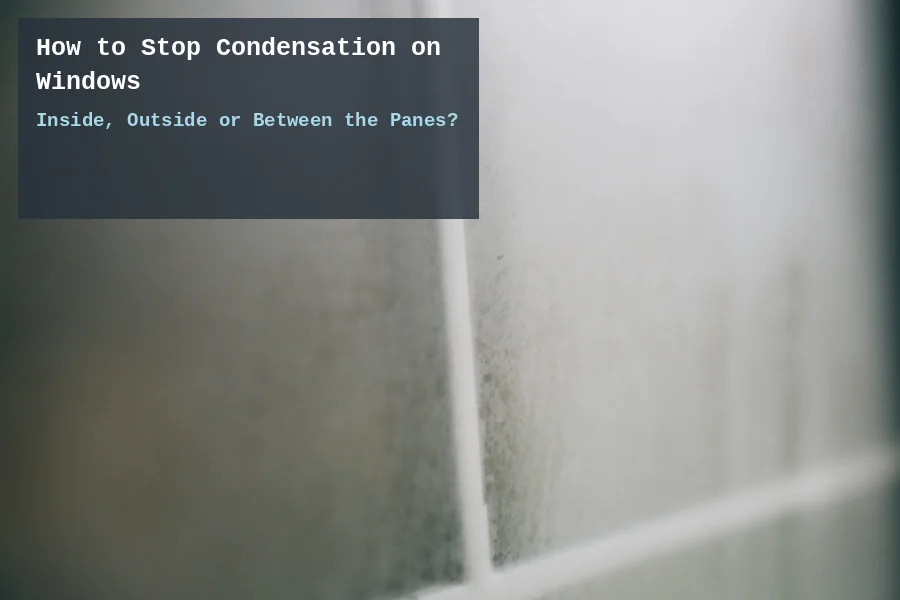
Where the water sits tells you the fix. Droplets on the room side mean moist air. Water between the panes means a failed seal. Mist outside usually means the glazing works well.
| Where the water sits | What it usually means | What to do |
|---|---|---|
| Room side of the glass | Moist indoor air meeting cold glass | Cut moisture, ventilate, heat evenly |
| Between the two panes | The sealed unit has failed | Replace the sealed unit only |
| Outside face of the glass | The inner pane is staying warm | Nothing, it clears as the day warms |
A failed unit fogs from inside the gap. No cloth can reach that trapped moisture. The Energy Saving Trust points to one fix. You can usually replace the sealed unit alone.
Single glazing runs colder than any double unit. Metal frames chill the glass edges even faster. Some winter mist there is hard to avoid. Our home improvement guides cover more cold room fixes.
How to Stop Condensation on Windows, Step by Step
Work through four fixes in this order. Each one removes part of the problem. Together they clear most window condensation.
- Put lids on pans and shut the kitchen door.
- Dry washing outside or in a vented dryer.
- Keep the bathroom door shut during showers.
- Run the cooker hood while you cook.
- Leave the bathroom fan on 15 minutes after.
- Open windows for five minutes, several times daily.
- Keep every trickle vent open and unblocked.
- Heat rooms evenly instead of short hot blasts.
- Wipe glass and sills dry each morning.
None of these steps costs much money. Most are habits rather than home improvements. Together, they are how to stop condensation on windows. Give the routine two weeks before judging it.
Cut the Moisture Your Home Makes
Start where the water enters the air. Cooking sends steam straight into the room. Lids keep most of it inside the pan. A closed kitchen door contains the rest.
Drying laundry indoors releases litres of water. Hang washing outside whenever the weather allows. A vented tumble dryer is the next best option. Bottled gas heaters add vapour as they burn.
The bathroom suits indoor drying better than bedrooms. Keep its door shut and its window open. The fan can then clear the damp air.
Ventilation That Actually Moves Moist Air
Ventilation only works when air really moves. Extractor fans remove steam at its source. Trickle vents give quiet background airflow all day. Open windows clear a room within minutes.
- Open trickle vents on every window frame
- Never tape over vents to stop draughts
- Leave a gap behind furniture on cold walls
- Open a window when the bathroom has no fan
Test a weak fan with toilet paper. Press one sheet lightly against the grille. A working fan holds the sheet in place. A fan that drops it needs cleaning.
Dust and grease slowly choke older fans. The Energy Saving Trust sets clear running times. Bathroom fans need 15 minutes after showers. Cooker hoods need 15 minutes after cooking too.
Warm Glass Mists Less: Heating and Humidity
Cold glass invites condensation, warm glass resists it. Steady background heat keeps panes above dew point. Short blasts leave long cold gaps between them. Rooms with heating off attract everyone else’s moisture.
Radiators carrying trapped air heat unevenly too. Our guide to bleeding a radiator clears cold top patches. Warm panels then lift room temperatures evenly. Even heat is what keeps glass warm.
A cheap hygrometer shows your indoor humidity. The Federation of Master Builders suggests one target. Aim for 50 to 60 percent indoors. A dehumidifier helps rooms above that range.
- A dehumidifier as backup, never the only fix
- Move the hygrometer around to compare rooms
The Morning Wipe-Down That Protects Frames
Some winter mist still forms in most homes. Clearing it each morning takes two minutes. It stops water soaking into timber and paint. That soaking is what starts rot and mould.
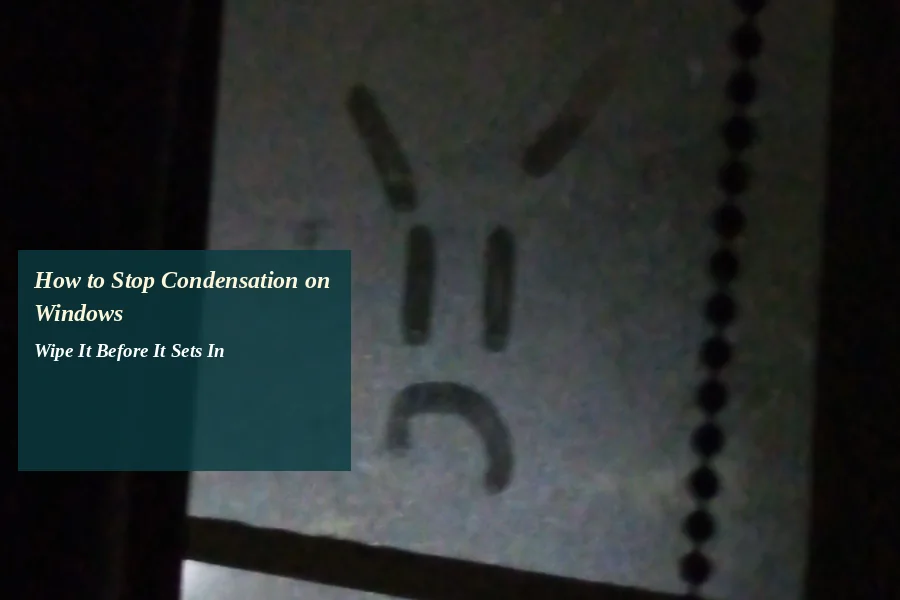
Wring the cloth into the sink afterwards. Drying it on a radiator returns the water. A window vacuum makes the job faster.
Check seals and corners while you wipe. Black spots there mean mould is starting. Clean small patches with an antifungal product. Use a disposable cloth and wear gloves.
When Wet Windows Point to Bigger Trouble
Morning mist that clears is rarely serious. Some signs point to a different problem. A patch growing after rain suggests penetrating damp. A tide mark low down suggests rising damp.
- Mould spreading across ceilings or wall corners
- Timber sills or frames going soft
- A musty smell that never fades
- Condensation starting right after building work
- Paint or wallpaper peeling beside a window
The Energy Saving Trust advises three quotes. Pick TrustMark certified professionals for the work. Renters should report damp problems early. Landlords must find and fix the cause.
Dry Windows Are a Habit, Not a Gadget
Stopping condensation is mostly routine, repeated daily. Cut moisture, vent steam, heat rooms evenly. Wipe the glass before water soaks in.
That is how to stop condensation on windows properly. Most homes see clearer glass within a fortnight. Drier sills mean less mould to clean.
Start tonight with your worst room. Open its trickle vents and shut its door. Tell us below which fix worked first.
Frequently Asked Questions
Why do my windows get condensation overnight?
Your breath adds moisture to a closed bedroom all night. The heating usually drops at the same time. The glass becomes the coldest surface in the room. Moist air cools on it and reaches dew point. Open the trickle vents and wipe the glass each morning.
How long should a bathroom extractor fan run?
The Energy Saving Trust says at least 15 minutes after a shower or bath. A cooker hood needs the same after cooking. The fan keeps pulling steam out after you leave. If you have no fan, open a window for the same length of time.
What does condensation between the panes mean?
It means the seal around the double glazed unit has failed. Damp air has entered the gap between the panes. That mist sits inside the unit itself. No cloth or cleaner can reach it. You can usually replace just the sealed unit.
Does opening windows in winter really help?
Yes, because outside winter air holds little moisture. Five minutes of open windows swaps damp indoor air for drier air. The Energy Saving Trust suggests doing this several times a day. Walls and furniture hold their heat, so rooms warm up again quickly afterwards.
Will a dehumidifier stop condensation on its own?
A dehumidifier lowers the moisture in one room well. It does not remove steam at the moment cooking or showering makes it. Extractor fans and open vents do that job better. Use the dehumidifier as backup for rooms that are hard to ventilate, like a basement flat.
Is condensation on the outside of windows bad?
No, outside mist is usually a reassuring sign. It means the inner pane stayed warm overnight. The outer pane cooled below the dew point instead. Efficient glazing often shows this on still, clear mornings. It clears by itself as the sun warms the glass.