How to become a film director in Britain starts with making films, not collecting qualifications. You shoot short films, learn how a set runs, and build a showreel producers can judge. No licence or single degree controls entry to the job. Talent counts for little until people can watch it.
The director’s chair sits at the top of the set. Our guide to how to become famous covers the public fame that can follow success. This guide covers the slower work underneath: training, junior jobs, shorts and first paid directing. Everything here follows the routes the industry itself publishes.
Key Takeaways
- Nobody is hired to direct on paper qualifications alone.
- Short films are your audition, portfolio and training ground.
- Runner jobs teach you how a professional set really works.
- Film school helps, but self-made shorts count just as much.
- A tight showreel beats a long list of course names.
- Festivals turn one good short into real conversations.
- Most directors are freelance, paid per project, never salaried.
How to Become a Film Director: What the Job Really Involves
A film director turns a finished script into pictures, sound and performances. You decide how each scene looks, sounds and feels. Actors take their cues from your calls on set. Every department works towards the version in your head.
The work runs in three clear stages. Pre-production covers planning, locations, schedules and rehearsals with actors. The shoot itself means long days directing cast and crew. Post-production means supervising the edit, sound and effects.
- Developing the script and ideas with the writers
- Planning shoots with producers, designers and technical teams
- Directing actors during rehearsals and filming days
- Supervising the edit, sound and visual effects
Writers own the words before you arrive. Our screenwriter guide covers that separate craft in full. Casting directors run the actor search for each role. You make the final calls with the producers.
Learn the Craft: Courses, Film School and Short Courses
No course is compulsory, and no certificate hires you. Courses buy you skills, practice time and useful contacts. The National Careers Service lists five routes into the job. They cover university, college, work, your own films and specialist training.
| Route | What it involves | Best for |
|---|---|---|
| College course | Level 3 production courses and the Media T Level | School leavers building practical skills |
| University degree | Film, filmmaking or television production degrees | Students who want depth and contacts |
| Film school and short courses | Focused directing courses, often ScreenSkills approved | Adults training around other work |
| Your own short films | Self-funded shorts entered into festivals | Anyone with a camera and weekends |
Degrees in film or television production usually ask for two or three A levels. College routes ask for four or five GCSEs, grades 9 to 4. The T Level in Media, Broadcast and Production covers practical production skills. Short courses through film schools fill single skill gaps fast.
How to become a film director through study still ends the same way. Every route expects finished films from you at the end. Choose the course that puts a camera in your hands earliest. Fees and bursaries differ, so check each course directly.
Start at the Bottom: Runner Jobs and the Assistant Director Ladder
Most people learning how to become a film director start as runners. A runner fetches, carries, drives and watches everything. The job is junior, but the education is total. You learn set manners, timings and who does what.
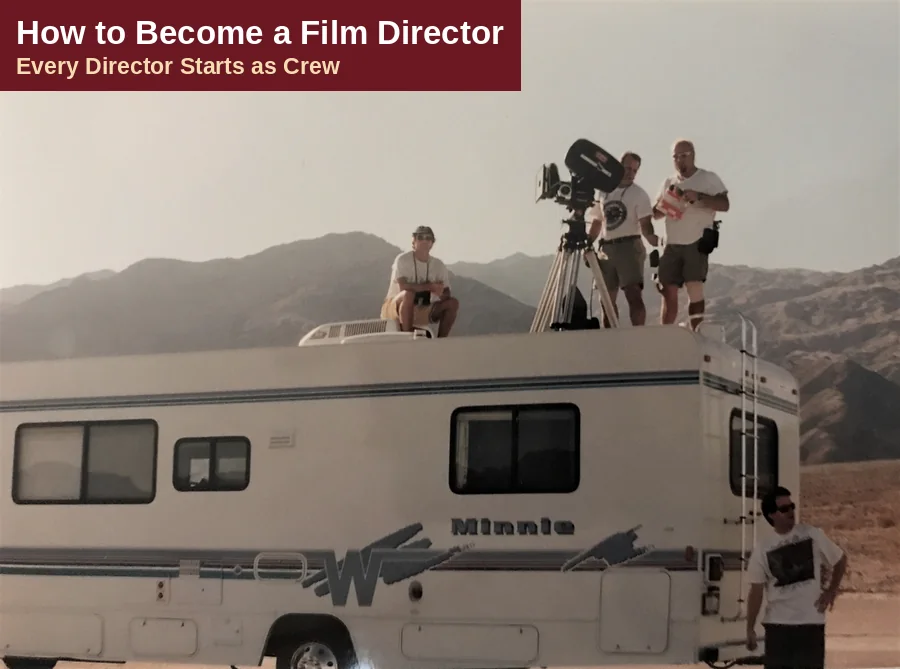
From runner, the ladder climbs through the assistant director grades. Third assistant directors look after actors and film extras on set. Second assistant directors prepare call sheets and schedules. First assistant directors run the floor and the day’s plan.
Treat the first assistant director job as a career, not a corridor. Many firsts never direct, and the grade is senior and respected. Directing breaks usually come when set experience meets your own shorts. Some directors also arrive from camera work, editing, acting or theatre.
- Floor runner on a film or television set
- Production runner in a busy production office
- Location trainee helping secure and manage filming sites
- Camera trainee with the camera department
- Post-production runner in an editing facility
Make Short Films: Your Real Audition
Short films are how unknown directors get noticed. A finished ten-minute film proves more than any application form. Producers and agents can judge your eye in one sitting. Nobody can judge promise from an empty CV.
You need no permission and little money to start. A phone camera, borrowed lights and willing friends are enough. Student and community productions always need crew and cast. The National Careers Service suggests exactly this volunteering route.
- Casting friends and giving them clear, kind direction
- Planning a shoot day around light and locations
- Editing your own footage into a finished story
- Handling mistakes without losing the day’s schedule
Finished shorts then travel further than you can. Enter them into film festivals and competitions across Britain. The BFI London Film Festival and Raindance both screen new work. Browse our Celebrity archive for more routes into film and television work.
Build a Showreel That Gets You Meetings
Your showreel is the proof behind how to become a film director. A showreel is a short film made from your best scenes. Two or three strong minutes beat twenty mixed ones. Open with your best shot, then your boldest scene.
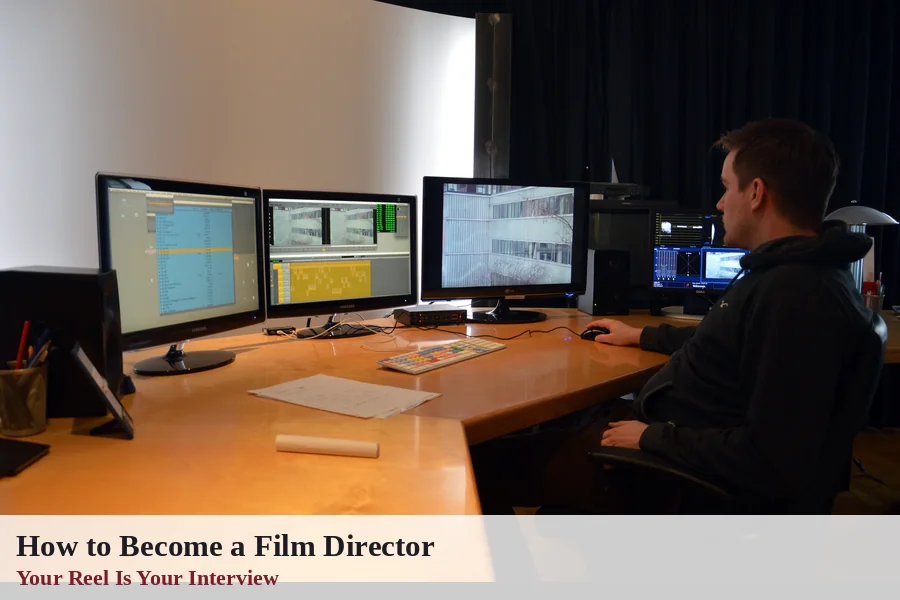
Directing skills show through choices, not kit lists. Clear storytelling, strong performances and confident framing mark you out. Leadership matters too, since crews follow calm directors. ScreenSkills keeps a portfolio guide for directors building one.
- Your strongest scene inside the first thirty seconds
- Performances you directed, not only pretty pictures
- One complete short, linked beside the reel itself
- Your name, email and phone number at the end
First Paid Work: Commercials, Videos and Television
First paid directing rarely looks like a feature film. Commercials, music videos and branded online films pay beginners. Production companies keep lists of new directors for small jobs. One tidy commercial can fund your next short.
Television directing arrives later for most people. Drama series hire directors with proven episodes behind them. Soaps and continuing drama train directors at real speed. Directors UK represents directors and publishes industry guidance.
- Commercials and branded content for local companies
- Music videos for unsigned and rising artists
- Corporate and charity films with small crews
- Second unit work on bigger, better funded shoots
The Money: Fees, Quiet Gaps and No Set Salary
Directing rarely pays a salary at all. Most directors are freelance and paid per project. Fees swing wildly with budget, format and reputation. The National Careers Service profile publishes no average figure.
Early shorts usually pay nothing at all. Runner and trainee jobs pay modest day rates instead. Established television directors earn strong fees per episode. Feature names at the top earn life-changing money.
Plan for gaps between every single job. Most directors keep savings for quiet months. Some teach, edit or shoot smaller work between projects. Treat every fee as funding the next gap too.
Your First Short Is Your First Interview
You now know how to become a film director on paper. Paper routes end at the same place: a finished film. So pick a tiny story you can shoot this month. Write it, cast it, shoot it, finish it.
Crew it with friends, classmates or a community group. Keep the cast small and the locations free. Finish it, enter it, then make the next one better. That habit, repeated, is how directors actually get hired.
Frequently Asked Questions
Do I need a degree to become a film director?
No degree is required for this job. The National Careers Service lists university as one route among five. College courses, runner jobs and your own short films all count. Producers hire directors whose finished work they have watched, never course names alone.
What should I study if I want to direct films?
Study film or television production, filmmaking or directing itself. Broadcast production and drama also feed into the job. Universities usually ask for two or three A levels. Pick the course with most practical filming time, including specialist film schools.
How do I get film set experience with no contacts?
Start with student and community film productions near you. They always need extra crew, drivers and helpers. Apply for runner jobs through production companies directly. The National Careers Service lists PACT and The Knowledge for beginners.
What does an assistant director actually do?
Assistant directors run the set so the director can direct. Thirds look after actors and background artists, while seconds prepare call sheets and plans. Firsts run the floor, the schedule and the whole shooting day. The director keeps the creative calls throughout.
How long does it take to become a film director?
There is no fixed timeline anyone can promise you. Most directors spend years on shorts and junior set jobs. Breaks come when strong work meets the right producer. Treat those years as training, because patience is a real directing skill.
Do film directors get paid a salary?
Almost all directors work freelance, hired one project at a time. Fees vary enormously with budget, format and reputation. Beginners often earn nothing from their earliest shorts. Steady television work pays the most reliable income, so budget for quiet months.