How to become a celebrity makeup artist starts with ordinary makeup work, done properly. Train, build a kit, assist senior artists on real shoots. The famous faces arrive last, after years of reliable work.
Our how to become famous guide maps the wider fame game in full. This page covers the makeup route only, from first course to first famous client. It uses UK training routes and real published day rates. No honest guide can promise fame to anyone.
The Short Version
- How to become a celebrity makeup artist begins with proper training.
- The UK asks for no single licence; courses and portfolios open doors.
- A clean, complete kit matters more than an expensive one.
- Test shoots build the portfolio that books paid work.
- Assisting senior artists is the real apprenticeship.
- Published guide rates start modest and rise with your grade.
- Celebrity clients come through reputation, never adverts.
How to Become a Celebrity Makeup Artist: What the Job Really Is
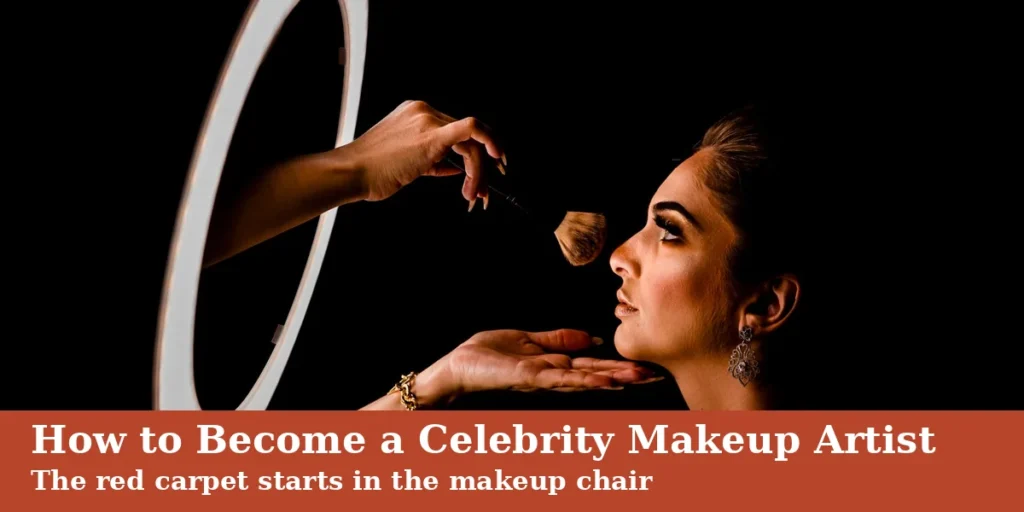
A celebrity makeup artist paints faces the public already knows. The work covers red carpets, magazine shoots, television studios and film sets. Every look must survive close cameras and harsh light.
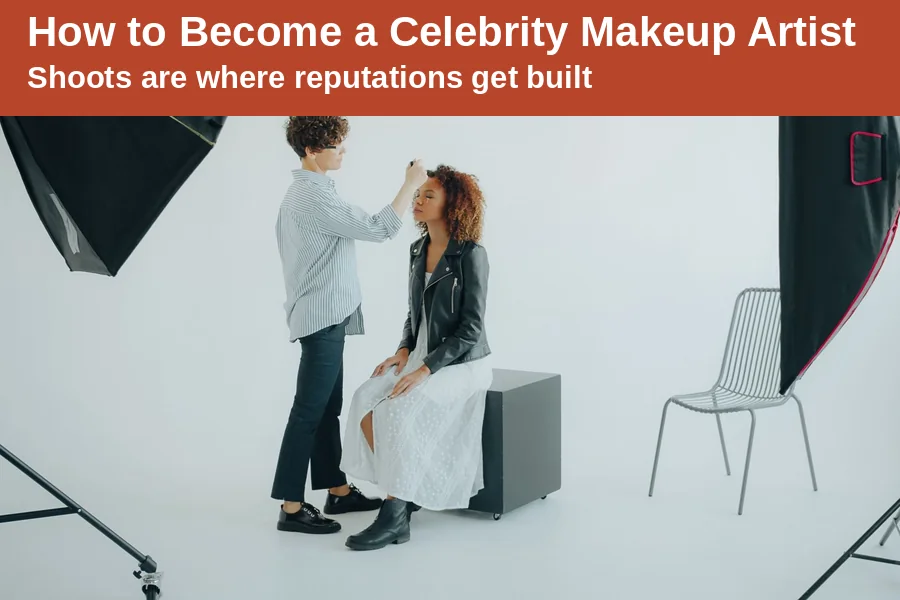
Most days look less glamorous than the photos suggest. You arrive before the client and leave after the photographer. You stand by during shoots, watching for shine and smudges. Continuity notes and photographs keep every look consistent.
The celebrity part is a layer, not the job itself. The same skills serve brides, actors and news presenters. Fame simply raises the price of a mistake.
- Red carpets and awards nights
- Editorial shoots for magazines
- Television studios and live shows
- Film sets, including period and character work
Train Properly: Courses, Traineeships and Self-Teaching
Most people asking how to become a celebrity makeup artist expect a licence. No single licence controls makeup work in the UK. Employers judge your training, your kit and your portfolio instead. A proper course simply builds all three faster.
Planit lists full time courses at NC, SVQ, HNC and HND level. Several colleges run an HND in make-up artistry for film, TV and theatre. Others focus on fashion make-up for shoots and shows. Hair skills often sit inside the same courses.
Short private courses and online lessons can still help beginners. They work best beside real practice on real faces. School plays and amateur dramatics count as early experience. Planit treats that backstage practice as genuinely useful.
- Skin preparation and foundation matching across skin tones
- Makeup for camera, lighting and high definition screens
- Hair styling basics, because many jobs expect both
- Hygiene, brush care and safe product use
- Period looks and simple special effects makeup
Build a Kit That Survives a Shoot Day
Your kit is your workshop, carried in one case. It must cover many skin tones, skin types and ages. Gaps show immediately under studio lighting. Clients notice missing shades before they notice anything else.
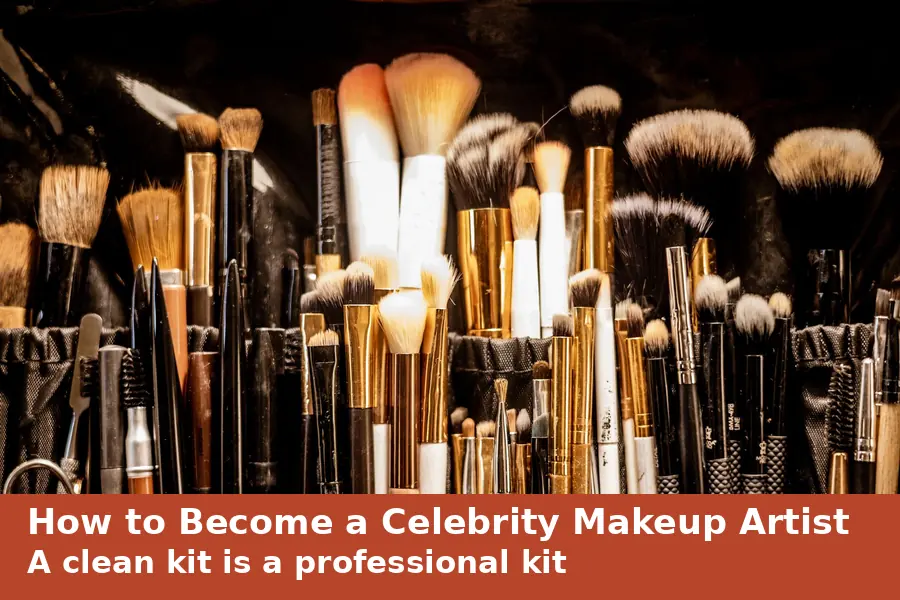
Brushes do most of the work, so buy them slowly and well. A working set covers foundation, powder, eyes and lips. Spares matter, because brushes get washed between clients. A second set keeps a busy day moving.
- Foundations and concealers across a wide shade range
- Disposable applicators, tissues and brush cleaner
- Powders, blushers and a basic eyeshadow range
- Lip colours, pencils and a reliable setting spray
- Your own lighting mirror for dark backstage corners
Hygiene is part of the craft, not an extra. Never share mascara wands or lip products between faces. Clean tools protect clients and your reputation alike. One infection story can end a young career.
Build a Portfolio That Books Work
A portfolio is proof, and this trade hires on proof. Photographers and producers scroll it before any conversation. Ten strong images beat fifty average ones. Every picture must earn its place.
Test shoots create those images without a budget. You trade your time for photographs with models and photographers. Our guide to how to become a model shows the other side of that trade. Good test teams keep working together for years.
Show range, but keep the standard high. Include clean beauty looks, one editorial look and one period look. Remove anything soft, dark or badly lit. Your weakest image sets your perceived level.
- Clean, natural looks for television and presenters
- Red carpet glamour with long wear products
- Editorial looks that show colour confidence
- Character or period work, if sets are your goal
Assist First: The Trainee Ladder on Real Productions
Planit describes the normal start clearly. You begin as a trainee and work up to assistant level. Fully trained status takes years of solid experience. There is no honest shortcut around those years.
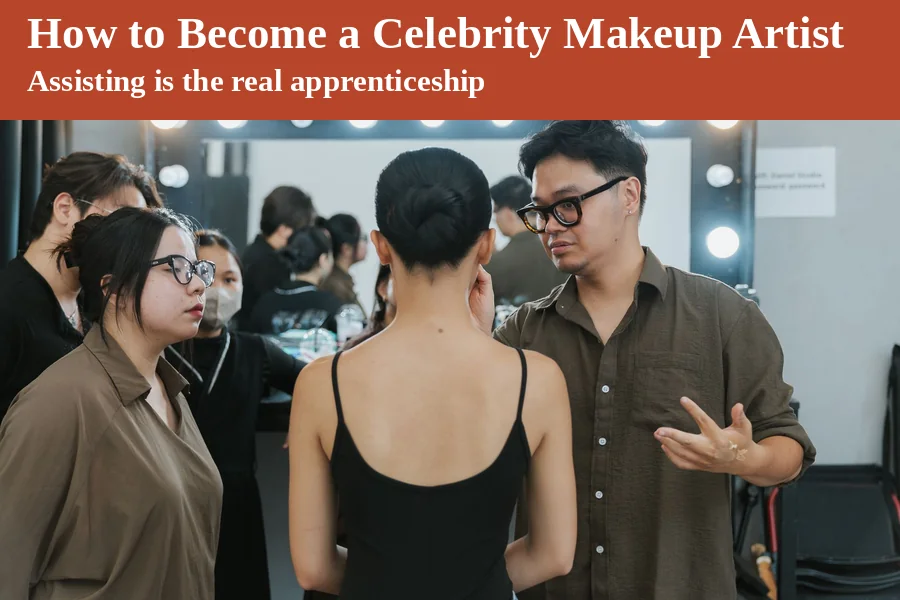
Assisting means carrying kits, cleaning brushes and watching closely. You learn set manners, timings and quiet discretion. Senior artists remember helpful trainees when paid work appears. Many first credits arrive exactly that way.
Film sets run on the same ladder habit. Our film extra guide shows how productions use large junior crews. The makeup department works to the same call sheets. Early starts and long days included.
- Set up and pack down the makeup station
- Clean and lay out brushes between faces
- Take continuity photographs during filming
- Hold touch up kits on set during takes
What the Work Pays: Guide Rates and the Honest Truth
Most UK makeup artists work freelance, paid per day. Planit publishes BECTU guideline rates for television and film work. It stresses that the figures are guides only. Your own rate depends on credits and demand.
| Grade | TV day rate | Film day rate |
|---|---|---|
| Trainee | £130 to £176 | £140 to £220 |
| Junior | £180 to £270 | £210 to £308 |
| Experienced | £320 to £440 | £360 to £462 |
| Key artist | £330 to £462 | £380 to £484 |
The table above uses figures from Planit for a ten hour day. Those BECTU guideline rates were published in 2023. Fashion and red carpet days follow no fixed scale. Prospects notes that well regarded artists earn far above listed guides.
Celebrity work sits at the top of that range, and beyond it. Nobody publishes a standard celebrity day rate. Your rate rises with credits, speed and trust. Assistants who become indispensable rarely stay assistants long.
Get Seen: Agencies, Referrals and the First Famous Face
Celebrity clients rarely arrive through adverts or cold messages. They arrive through stylists, photographers and publicists who trust you. Every ordinary job is an audition for those referrals. Quiet reliability is the whole marketing plan.
Agencies represent established artists to production companies and magazines. They take a fee and handle bookings and contracts. Most artists join one after assisting builds their credits. Diary services do similar work for busy freelancers.
Social media works as a public portfolio between shoots. Post finished faces, credited properly, with the photographer’s permission. One red carpet credit, honestly earned, changes your inbox. Never post a client before their own team does.
- Ask photographers for referrals after good shoots
- Keep credits and tearsheets in one tidy folder
- Answer messages fast, even when the answer is no
- Guard client privacy; never post behind the scenes gossip
Your First Paid Face Matters More Than Your First Famous One
Learning how to become a celebrity makeup artist is mostly patient, ordinary work. Training, kits, portfolios and assisting come first. The famous faces are a late reward, never the starting point. Paint the face in front of you properly.
Book one practical step this week. Practise one look, clean your kit, or ask one artist about assisting. Small booked steps turn into a career. More routes sit in our Celebrity archive.
Start with the face in front of your mirror tonight. Practise one clean look until it sits right in daylight. Photograph it honestly and file it in your portfolio. This trade hires proof, not promises.
Frequently Asked Questions
How long does it take to become a celebrity makeup artist?
There is no fixed timetable for how to become a celebrity makeup artist. Training can take one to two years, then assisting takes several more. Planit says fully trained status needs years of solid experience. Celebrity clients usually arrive after a long, visible record of reliable work.
Do I need a qualification to work as a makeup artist in the UK?
Employers set no single licence for makeup work here. Most artists first take a full time course or a traineeship. Colleges offer HNC and HND awards in make-up artistry. Productions then judge your portfolio, your kit and your conduct on set.
How much do makeup artists earn in the UK?
Planit lists BECTU guideline day rates for a ten hour day. Trainees earn £130 to £176 on television and £140 to £220 on film. Junior artists earn £180 to £270 on television. Experienced and key artists earn considerably more.
What should a starter makeup kit contain?
Start with brushes, then foundations across a wide shade range. Add concealers, powders, blushers and a basic eyeshadow set. Pack disposable applicators, tissues, brush cleaner and setting spray. Hygiene items matter as much as colours, because tools touch many faces daily.
How do makeup artists get celebrity clients?
Most celebrity bookings arrive through people, not adverts. Stylists, photographers and publicists recommend artists they already trust. Assisting a senior artist puts you beside famous faces early. Agencies then represent artists whose credits and conduct are proven.
Is special effects makeup a separate career route?
Special effects sits inside the same trade, as a branch. It covers scars, ageing, wounds and prosthetics for film and theatre. Artists usually add it after core beauty training. Productions hire it for character work, while fashion shoots rarely need it.